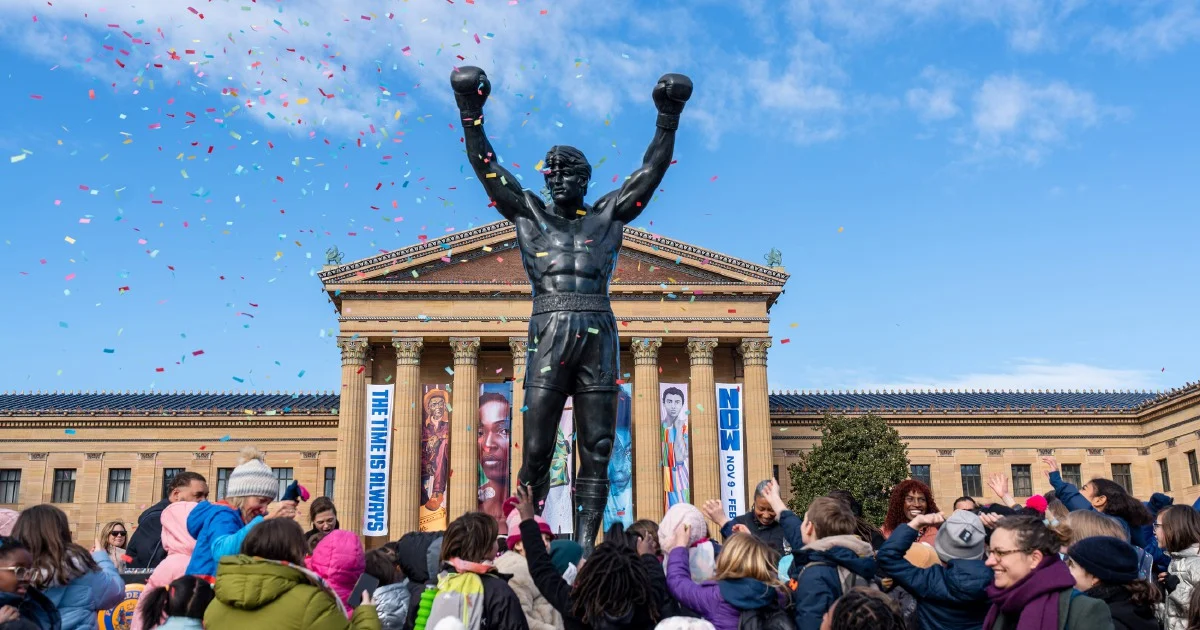
As France prepares for World Cup competition, authorities in Philadelphia issued a cautionary message to the nation's supporters on Saturday: leave the iconic Rocky Balboa statue untouched. The warning stems from what locals and sports observers have come to regard as a genuine curse associated with the famous monument, one that has seemingly brought athletic misfortune to multiple teams whose fans have dressed the statue in their national colours.
Located near the Philadelphia Museum of Art, the Rocky statue stands as one of America's most recognizable cultural landmarks, immortalizing the fictional boxer from the beloved film series. The statue has become an informal tradition for visiting fans to decorate with scarves, shirts, and other memorabilia representing their countries and teams. However, this seemingly harmless practice has taken on darker connotations as an apparent pattern of sporting disappointment has followed in the wake of such interference.
The curse phenomenon first gained serious attention when multiple teams whose supporters had adorned the statue experienced unexpected defeats or eliminations from major tournaments. Sports commentators and fan communities began documenting these incidents, and what may have started as superstition gradually gained credibility through accumulated examples. The phenomenon became particularly notable when several high-profile teams suffered setbacks shortly after their fans had decorated the monument, creating a self-reinforcing belief in the curse's legitimacy.
For France, currently a strong World Cup contender with considerable tournament experience and a squad of elite players, the warning takes on particular significance. The nation has suffered embarrassment at major tournaments before, and supporters would understandably prefer to avoid any factor—rational or irrational—that might compromise their team's chances of success. The authorities' explicit warning suggests that previous incidents have created genuine concern within both the sporting community and local Philadelphia officials about repeated interference with the statue.
The phenomenon reflects a broader pattern in sports culture where fans and teams become susceptible to superstitious thinking, especially when stakes are high and emotions run deep. Athletes across all disciplines maintain personal rituals, wear lucky items, and avoid certain actions based on perceived consequences. The Rocky statue curse represents this psychological tendency operating at a collective level, where an entire fanbase develops shared beliefs about cause and effect in sporting outcomes.
What makes the Rocky statue situation particularly interesting is how a physical monument has become intertwined with international sporting competition. Philadelphia, while not a major World Cup host city, has inadvertently inserted itself into the global tournament narrative through this quirky urban legend. The statue, originally intended as a tribute to cinema and the fighting spirit embodied by its fictional subject, has acquired unexpected significance in the minds of hundreds of thousands of international sports fans.
The warning also demonstrates how seriously modern sports authorities take psychological factors that might affect team performance. Whether the curse possesses any genuine causal power or functions purely through the placebo effect—and reverse placebo effect—remains debatable. However, from a pragmatic standpoint, if French supporters believe in the curse's power and therefore decide to respect the statue, the mere act of restraint could contribute to a different psychological atmosphere surrounding the team's campaign.
Regional implications extend beyond France's squad composition and tactics. For Southeast Asian fans and observers following the World Cup, the incident highlights how major international tournaments become canvas for both serious sporting drama and lighter cultural narratives. The Rocky statue curse demonstrates that even peripheral locations can intersect with global sporting events in unexpected ways, creating shared folklore among international audiences.
The Philadelphia museum and local authorities have thus positioned themselves as guardians of an accidental sporting mythology. By issuing official warnings, they have elevated the curse from internet folklore to institutional acknowledgment, thereby paradoxically making it more real in the eyes of superstitious fans. This creates an interesting feedback loop where attempts to prevent interference with the statue may actually reinforce beliefs about why such interference matters.
For France's campaign ahead, the warning serves as a reminder that modern tournaments operate on multiple levels simultaneously—tactical, physical, psychological, and cultural. Whether the French squad will carry the psychological burden of avoiding the curse's supposed effects, or whether their supporters will heed the warning and abstain from decorating the statue, remains to be seen. Either way, Philadelphia's Rocky monument has secured its place in this World Cup's extended narrative, extending the reach of global sporting drama into unexpected urban corners.
As tournament preparation intensifies, the juxtaposition of elite football competition against folkloric superstition captures something essential about how international sport functions in popular imagination. The Rocky statue curse, whether real or imagined, represents fans' desire to influence outcomes beyond the pitch, and their willingness to invest meaning in symbolic acts. For France, respecting the warning might be the safest bet—not because the curse necessarily exists, but because avoiding it ensures one fewer psychological distraction during a crucial sporting event.

