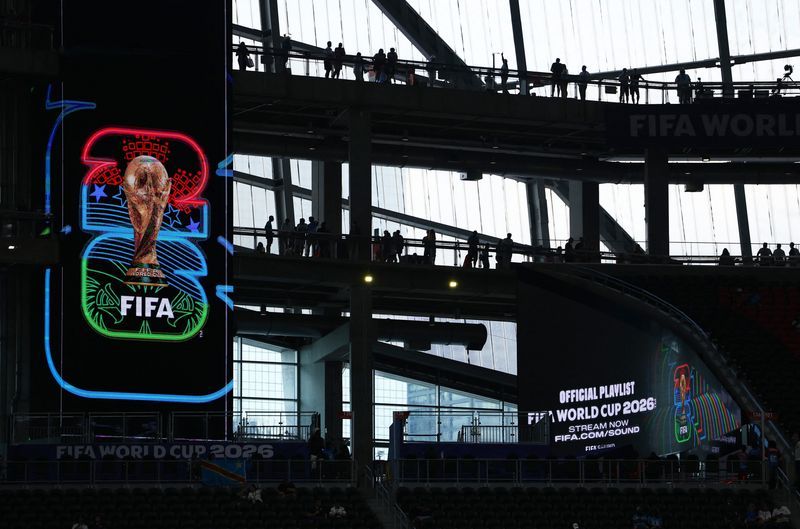
FIFA's Social Media Protection Service has documented a troubling escalation in online harassment during the World Cup, revealing that 89,000 abusive posts circulated across social platforms during the group stage alone. This represents a staggering 13-fold surge compared to the corresponding phase of the 2022 tournament in Qatar, underscoring a deteriorating digital environment for players, officials and their supporters as global sporting events attract increasingly toxic discourse.
The scale of the monitoring operation itself demonstrates the magnitude of the challenge confronting football's governing body. FIFA's dedicated team scanned more than six million posts and comments throughout the group stage—a substantial jump of one-third from two years earlier—yet managed to identify only 89,000 for confirmed action after human moderators reviewed 225,000 flagged items. This filtering process reveals both the sophistication of automated detection systems and the labour-intensive nature of verifying genuinely harmful content amid the vastness of global social conversation.
Particularly concerning is the composition of the abuse discovered. Racial attacks accounted for 11 percent of all verified offensive messages, representing a three-percentage-point increase from the Qatar group stage. FIFA characterised this rise as reflecting a "significant increase in the objectively worst, most offensive material," suggesting that not only is abuse becoming more frequent, but its severity and dehumanising character are intensifying. For Southeast Asian nations and their players competing on the world stage, this trend signals an increasingly hostile digital landscape that extends beyond the pitch into spaces theoretically dedicated to celebration and community.
The expanded tournament format featuring 48 teams, compared to 32 in Qatar, has contributed to the elevated volume of content monitored. However, this structural explanation accounts for only part of the dramatic surge. The 13-fold increase substantially exceeds what would be expected from a 50-percent expansion in participating nations, suggesting that toxicity levels per team or player have genuinely accelerated independent of tournament size considerations. This organic growth in abusive sentiment warrants investigation into whether social media algorithms amplify divisive content during major sporting events, or whether broader societal tensions increasingly manifest through football discourse.
FIFA's Social Media Protection Service employs a hybrid approach combining automated technological detection with human judgment to identify, filter and block racist, discriminatory and threatening communications. Beyond protecting direct targets, the system shields players' followers from exposure to such material, recognising that abuse ripples through networks of supporters and family members. Approximately 181,000 hateful comments were automatically concealed from team accounts, while over two million additional comments underwent moderation to remove spam, bot-generated content and inauthentic accounts—a fourfold increase from 2022.
The escalation in bot-driven and artificial content is particularly notable. The four-fold surge in moderated comments during group-stage play, substantially exceeding the increase in genuine human discourse, suggests sophisticated campaigns orchestrating harassment through automated networks. This dimension transforms online abuse from spontaneous individual expressions of prejudice into potentially coordinated harassment campaigns, amplifying particular narratives and magnifying targeted players' exposure to hateful material.
Approximately 1,000 accounts were flagged for escalation and further investigation, representing those accounts determined to pose the most severe ongoing threats. Beyond content moderation, FIFA has begun systematising evidence collection for law enforcement intervention. The organisation identified over 100 cases meeting legal thresholds for constructing criminal case files, marking a substantive shift from reactive content removal toward proactive support for criminal prosecution of online abusers. This development may establish important precedent for holding perpetrators accountable through justice systems rather than relying solely on platform moderation.
Recent incidents underscore the real consequences of this toxic environment. Three Dutch players—Justin Kluivert, Quinten Timber and Crysencio Summerville—endured intensive racial abuse following their missed penalties during the Netherlands' knockout-stage shootout defeat to Morocco. Such high-profile targeting of elite athletes demonstrates that regardless of playing level, accomplishment or global recognition, players remain vulnerable to organised digital harassment, particularly when outcomes trigger emotional investment from hostile communities.
For Malaysian footballers and fans, these trends carry particular significance. As Southeast Asian football develops and more regional players compete in international tournaments, awareness of this hostile digital environment becomes essential. The documented prevalence of racial abuse, combined with evidence of coordinated harassment campaigns, suggests that players from underrepresented regions may face compounded challenges. Furthermore, Malaysian supporters of international teams should recognise that their own engagement with social media during major tournaments occurs within an ecosystem where bot networks, coordinated abuse campaigns and algorithmic amplification of divisive content fundamentally shape discourse.
FIFA's expanded monitoring represents both progress and acknowledgment of systemic problems. The organisation has invested resources in detection and law enforcement cooperation, yet the 13-fold surge in absolute abuse numbers indicates that technological and institutional responses currently lag behind the problem's growth. As social media platforms continue evolving and global sporting events concentrate attention and emotional investment, sustained collaboration between governing bodies, platforms, law enforcement and users themselves will prove essential to reversing this troubling trajectory and ensuring that international football remains a space for celebration rather than harassment.

