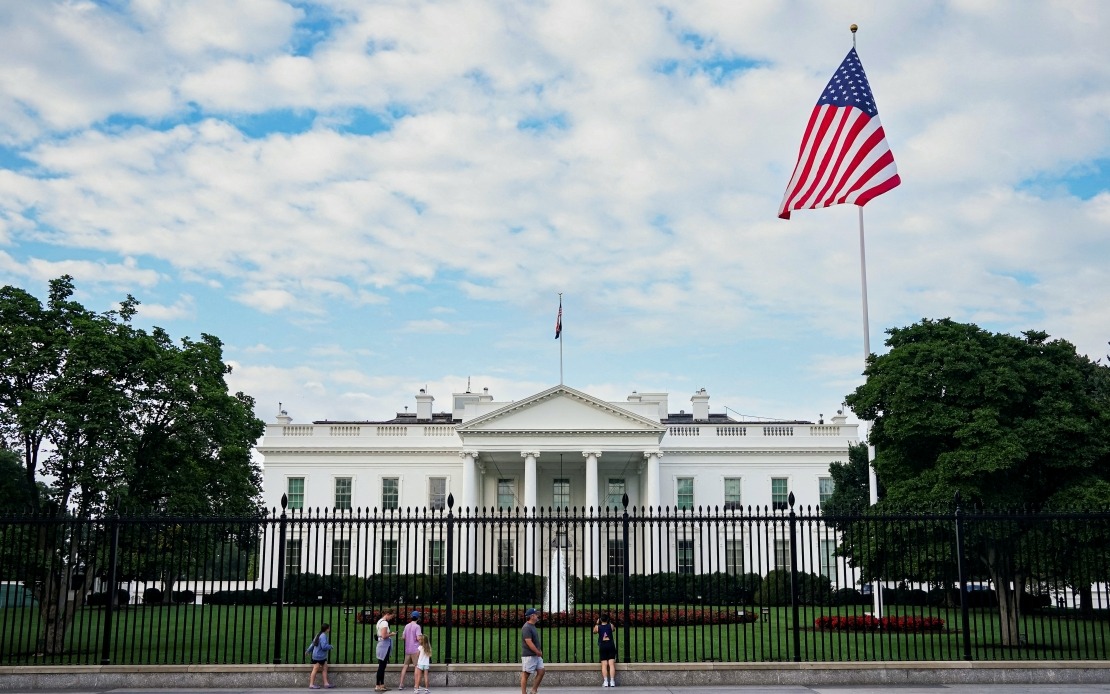
American law enforcement agencies have successfully prevented what officials describe as a coordinated attack planned against the UFC America 250 event held at the White House on Sunday to commemorate President Donald Trump's 80th birthday and the nation's 250th anniversary. FBI Director Kash Patel announced the foiled plot on Tuesday through social media, stating that law enforcement became aware of the threat on June 10 and subsequently apprehended multiple suspects involved in the alleged conspiracy.
The scope of the investigation has widened considerably since initial arrests. While five individuals were taken into custody by Monday, federal investigators identified a network of approximately 23 people connected to the alleged plot, suggesting a larger organisational structure than initially apparent. Officials working with news outlets disclosed that the purported plan involved using explosive-laden drones to target buildings adjacent to the UFC venue, with the intention of triggering mass panic and forcing crowds to evacuate into a predetermined area where sniper teams would be positioned to inflict casualties.
The operational sophistication attributed to the alleged plotters indicates concerning levels of coordination and planning. According to accounts provided by law enforcement, the attack scenario envisioned multiple phases, with a supposed second wave of assailants planned to breach the White House perimeter after the initial drone and sniper assault. This multi-stage approach suggests planning that extended beyond spontaneous action, raising questions about how such coordination might have developed and what resources or expertise the network possessed.
The unprecedented decision to hold a professional fighting event on the White House's South Lawn itself generated considerable controversy preceding Sunday's gathering. Two Virginia residents mounted a legal challenge arguing the event violated applicable regulations and posed security risks. However, a federal judge in the US District Court for the District of Columbia rejected the motion to block the event on Friday, permitting preparations to proceed. Approximately 4,000 spectators attended the high-profile gathering despite these objections and security concerns.
For Malaysian and Southeast Asian observers, this incident underscores escalating security challenges facing major democratic institutions globally. The sophistication attributed to the alleged plotters—specifically the use of emerging technologies like armed drones combined with traditional sniper tactics—reflects evolving threats that security agencies across the region must anticipate. As nations throughout Asia modernise their security infrastructure and host increasingly high-profile international events, learning from such incidents becomes crucial for threat prevention.
The broader context of American political violence has intensified noticeably in recent years. The foiled White House plot represents merely the latest in a concerning pattern. In April, another incident saw an armed individual penetrate security at the White House Correspondents' Dinner, subsequently facing charges related to alleged assassination attempts. Such breaches, whether prevented or partially successful, demonstrate persistent vulnerabilities in protecting high-value targets and senior officials even within the world's most heavily fortified security perimeters.
The identification of 23 potential conspirators by investigators points toward investigative work that extends beyond simply catching those caught at the moment of apprehension. Law enforcement agencies utilised intelligence gathering, communications monitoring, and cooperation among multiple jurisdictions to construct a fuller picture of the alleged network. This investigative approach—assembling connections between individuals across geographic boundaries—mirrors techniques increasingly employed by security services worldwide when addressing transnational or distributed threat networks.
From a regional perspective, the incident highlights how American domestic security challenges can reverberate internationally. Media coverage and diplomatic discussions surrounding such plots influence threat perception and security planning in allied nations. Southeast Asian governments and security agencies monitoring developments in the United States often adjust their own protocols based on demonstrated vulnerabilities or successful prevention measures, creating indirect spillover effects across the security landscape.
The decision by federal authorities to proceed with the UFC event despite identified threats reflected a calculated assessment that security measures could contain the risk. This balance between maintaining public activities and managing genuine threats represents a constant tension for governments worldwide. Malaysian and regional policymakers similarly navigate questions about whether cancelling events in response to threats represents prudent security practice or excessive capitulation to would-be disruptors.
Investigators will likely focus intensively on understanding how the alleged network formed, what motivated participation, and whether connections exist to organised extremist movements or loosely affiliated actors. The distinction between coordinated cells and distributed individuals inspired by shared grievances carries significant implications for prosecution strategies and broader counterterrorism approaches. Such distinctions also inform how other nations assess emerging domestic security threats within their own populations.
As details emerge from ongoing investigations, security professionals across Asia will scrutinise the methods and technologies attributed to the alleged plotters. The emphasis on drone-based attacks combined with conventional weaponry reflects a trend toward hybrid threat scenarios that security planners must anticipate. Nations throughout the region, including Malaysia, have previously grappled with drone-related security concerns and continue developing countermeasures against such emerging techniques.
The successful prevention of the alleged plot, while encouraging, simultaneously demonstrates that identified threats require rapid response mechanisms and coordinated interagency action. The thirteen-day window between initial detection on June 10 and the event on Sunday provided sufficient time for arrest operations, illustrating the importance of early intelligence gathering. This timeline offers insights for regional security agencies regarding response windows and operational planning in similar scenarios.

