A criminal investigation into a suspected honour killing has begun in Rajasthan's Dholpur district following the discovery of two sisters dead in a river. Police on Friday announced that the father and several other family members have been named as suspects in connection with the deaths that allegedly occurred on the night of June 11 near Sagarpada Bridge. The case has drawn attention as authorities examine whether family opposition to the victims' romantic choices led to their fatal end.
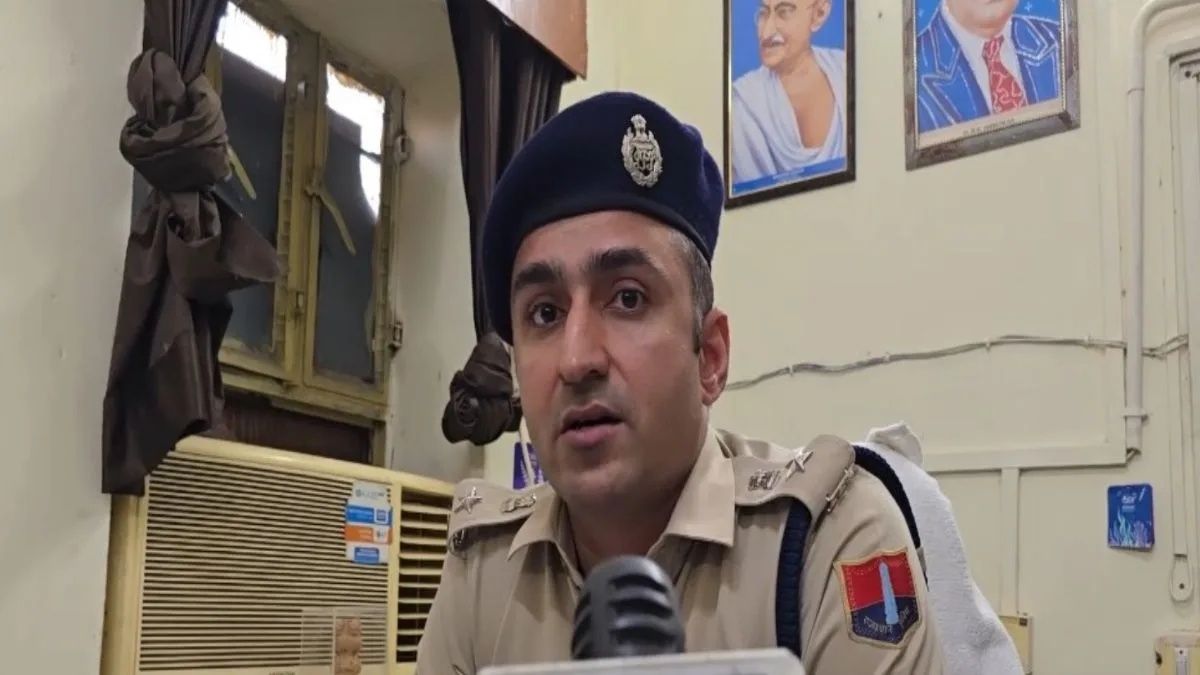
Superintendent of Police Vikas Sangwan revealed that Bharat Lodha, a resident of Pharakpur village and father of four, stands at the centre of the investigation. Police received information alleging that Lodha was involved in the deaths of two of his daughters, prompting rapid deployment of investigative teams to the scene. The location near Sagarpada Bridge, where the incident is believed to have occurred, became the focal point of the initial inquiry that would eventually point investigators toward a family-based motive.
According to preliminary findings disclosed by police, the two women became targets because of romantic relationships that their family actively opposed. This detail aligns with patterns observed in honour killing cases across North India, where family members view consensual relationships as violations of family honour and social standing. The circumstances surrounding the relationships remained partially unclear as the investigation proceeded, though officers indicated that family disapproval formed the core of their working theory regarding motivation.
The timeline established by investigators places the alleged crime during evening hours on June 11, specifically between 9pm and 10pm, though police stressed that further verification of this timeframe remains ongoing. Officers are methodically reconstructing the sequence of events that culminated in the tragedy, examining how the victims were transported to the bridge location and which family members accompanied them. Such investigative details prove crucial in establishing premeditation and coordination among alleged perpetrators.
The method of death centres on police suspicion that family members forced the women off Sagarpada Bridge into the river below. This theory emerged from initial site inspection and witness accounts gathered during early inquiries, though officials acknowledged that certain aspects of the case remain unverified. The river location suggests deliberate selection as a means to conceal the crime, a characteristic feature of planned honour-based violence cases.
Major investigative avenues currently being pursued involve establishing the precise circumstances of transport to the bridge location. Police are examining what vehicles were used to convey the women from their residence, who accompanied them on that journey, and whether any resistance or struggle occurred. These operational details help investigators distinguish between planned execution and spontaneous violence, carrying significant implications for the charges ultimately filed against the accused.
Investigators are also exploring the broader family dynamics and social context that may have precipitated the alleged violence. Understanding the nature of the romantic relationships that triggered family opposition, the strength of that opposition, and any previous threats or warnings will help establish intent and premeditation. Such context proves particularly important in honour killing cases, where courts increasingly examine whether family members issued prior threats or warnings that indicated dangerous intent.
Police emphasised that their investigation remains active and ongoing, with multiple aspects still requiring verification and further examination. Crime scene evidence continues to be collected and analysed, while investigators question individuals connected to the case. Officers warned against drawing final conclusions before completing their inquiries, noting that developments may emerge as evidence accumulates.
The case represents a stark example of honour-based violence that periodically surfaces in parts of North India, particularly in Rajasthan and surrounding states. Such crimes, where family members kill relatives over perceived violations of family honour or objections to romantic choices, highlight persistent social tensions between traditional family structures and individual autonomy. Regional authorities have increasingly prioritised these cases following legislative reforms and heightened public awareness.
Authorities indicated that formal legal action will follow upon completion of the investigation's preliminary stages. Depending on findings, charges may include murder, criminal conspiracy, and potentially abetment of suicide if investigative evidence supports such conclusions. The nature and severity of charges will reflect the degree of involvement established for each accused family member.
For Malaysian observers, this case underscores challenges that societies across South and Southeast Asia continue facing regarding family-based violence and honour crimes. While Malaysia maintains distinct cultural and legal frameworks, such incidents remind regional neighbours of the importance of robust legal protections and law enforcement responses to violence motivated by traditional honour concepts. The Rajasthan police investigation demonstrates ongoing efforts by Indian authorities to pursue and prosecute such cases despite their sensitive social dimensions.
The investigation's progression will be closely monitored as authorities gather conclusive evidence and interview potential witnesses. Sangwan's public statements signal a comprehensive approach to establishing facts and verifying details before moving forward with formal charges. Timely completion of investigations and prompt prosecution remain essential for delivering justice while reinforcing social messaging that honour-based violence constitutes serious criminal conduct warranting substantial punishment.

