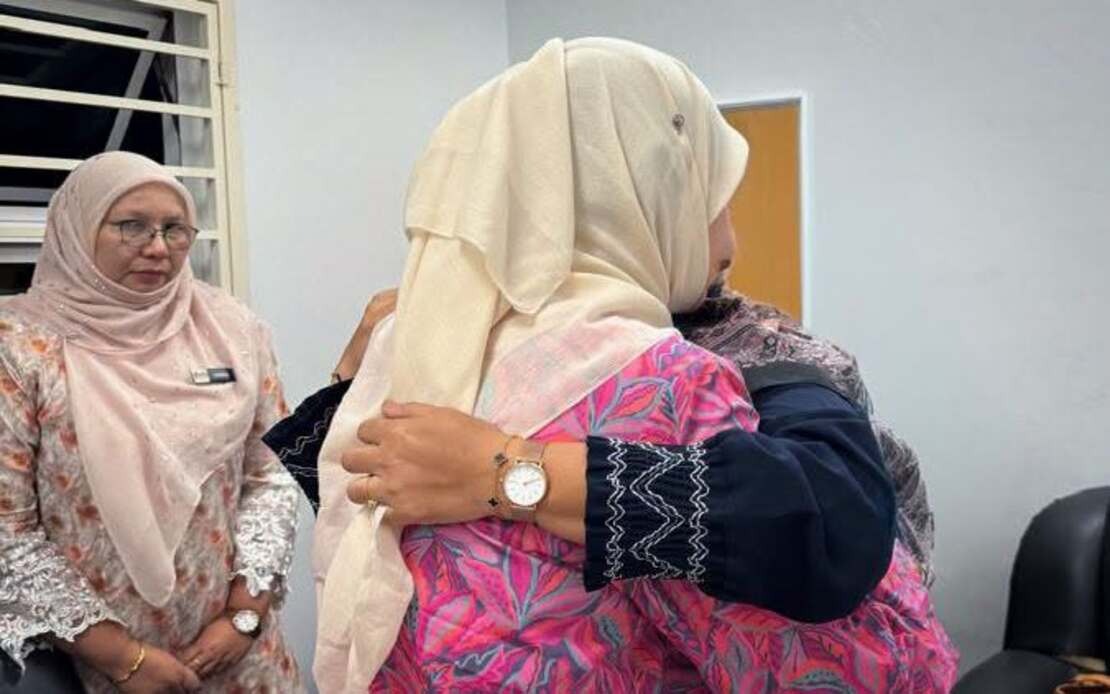
Education Minister Fadhlina Sidek has appealed to the public to extend compassion and understanding towards the family of a 16-year-old female student who died at a Negeri Sembilan school on Wednesday morning, as authorities conduct their investigation into the circumstances surrounding the tragedy. The minister's statement underscores the delicate nature of such incidents and the need for measured public discourse during a period of grief and official inquiry.
In her Facebook post, Fadhlina expressed her condolences to the bereaved family, invoking Islamic prayers for the student's soul and requesting divine strength for those left behind. Her words reflected the gravity of the situation while emphasising the importance of allowing the family the necessary space to grieve without undue public scrutiny or interference. The appeal comes as authorities work to establish the facts surrounding the student's death.
The ministry is extending full cooperation to police investigators handling the case, demonstrating the government's commitment to establishing clarity over the incident. This collaborative approach between educational authorities and law enforcement is standard practice for such matters, ensuring that any findings are thorough and impartial. The investigation process, while sometimes prolonged, ultimately serves to provide answers to the family and relevant stakeholders.
Beyond the investigative dimension, Fadhlina emphasised that the immediate priority centres on providing comprehensive assistance to the grieving family and all individuals who may have been affected by the student's passing. This includes fellow students, educators, and school staff who may experience emotional distress following the tragedy. The ministry's focus on pastoral care reflects broader recognition that schools are communities where loss reverberates across many relationships.
In demonstrating solidarity with the bereaved, both Fadhlina and Education Director-General Datuk Dr Mohd Azam Ahmad visited the student's family at Rembau Hospital to offer personal support and reassurance. Such gestures, while symbolic, carry significant weight during moments of acute crisis and loss. The presence of senior government officials sends a clear message that the situation has been received with appropriate seriousness at the highest levels of the education system.
The incident highlights ongoing concerns within Malaysia's education sector regarding student welfare and safety. While the specific circumstances of this case remain under investigation, such incidents invariably prompt broader discussions about the pressures facing young people in the education system, mental health support mechanisms within schools, and the duty of care institutions bear towards their students. These conversations, though sometimes uncomfortable, are necessary for identifying potential gaps in support structures.
For Malaysian families with children in schools, such tragedies serve as sobering reminders of the importance of open communication between parents and young people about their experiences, challenges, and emotional wellbeing. Schools similarly benefit from reviewing their counselling resources, teacher training in recognising distress signals, and protocols for responding to crises.
The public's role in respecting the family's privacy during this investigation period cannot be overstated. In an era of rapid information sharing and social media commentary, such appeals from government officials serve an important function in preserving the dignity of grieving families and preventing the spread of speculation or misinformation that could compound their suffering.
As investigations proceed, the education ministry will likely conduct its own review of school safety protocols and welfare systems to determine whether any improvements or interventions could prevent similar tragedies in future. This administrative dimension of response, though less visible than the immediate emergency and investigative response, constitutes an essential part of institutional learning and reform.
The broader Southeast Asian context reveals that student welfare remains a significant challenge across the region, with education systems grappling to balance academic achievement with mental health support, physical safety, and holistic development. Malaysia's responses to such incidents contribute to emerging regional best practices in crisis management and institutional accountability.
For the school community in Negeri Sembilan directly affected by this loss, the coming weeks and months will likely involve coordinated efforts to support students and staff through their grief. Educational psychologists and trained counsellors may be deployed to the institution to help process collective trauma and prevent secondary psychological impacts among those who knew the student or witnessed the immediate aftermath.
Fadhlina's appeal ultimately reflects a fundamental principle in crisis management: the recognition that public interest and individual privacy, while sometimes in tension, must be balanced carefully. Allowing a family to grieve without constant scrutiny represents both a compassionate and pragmatic approach that facilitates healing while enabling investigators to work effectively without public interference or premature conclusions.

