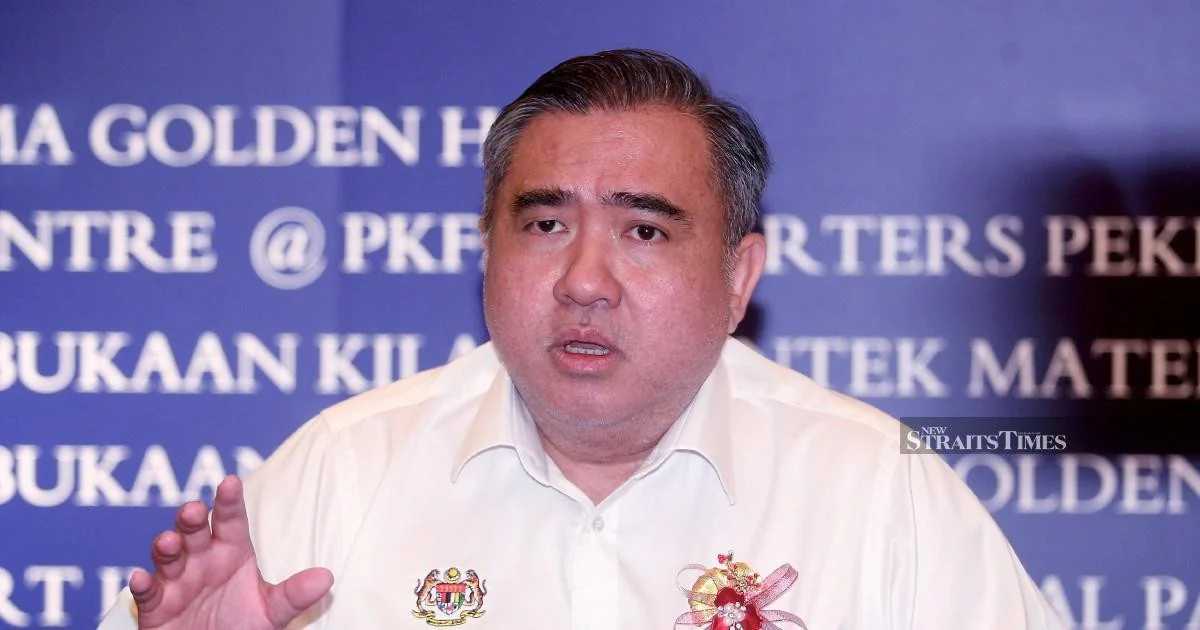
The Democratic Action Party is poised to make a significant announcement regarding its electoral strategy in Johor, formally unveiling the complete roster of candidates who will represent the party in the upcoming state election. This event, scheduled for Kluang, underscores the party's commitment to mounting a competitive challenge in one of Malaysia's largest and most politically consequential states.
Johor remains a strategic battleground in Malaysian politics, given its substantial population and the number of assembly seats at stake. For the Democratic Action Party, establishing a credible and representative candidate list is essential for rebuilding support among the state's diverse electorate, particularly following shifts in voter sentiment observed in recent electoral cycles. The formal unveiling of candidates typically represents a pivotal moment in campaign preparation, allowing the party to present its vision for state governance and the calibre of individuals intended to carry its mandate.
The timing of this candidate announcement reflects broader political dynamics unfolding across the country. As political coalitions recalibrate following previous general elections and state polls, parties compete intensely to secure strong candidacies and demonstrate organisational readiness. For DAP, which has significant parliamentary representation and state government responsibilities in Penang and Selangor, this Johor campaign offers an opportunity to expand its footprint in the peninsula's south, where Malay-Muslim voters form a substantial demographic.
Candidate selection processes within DAP typically involve party machinery deliberation, grassroots input, and leadership assessment of electability across diverse constituencies. The party must balance experience with fresh talent, geographic representation with merit-based selection, and community connections with party ideology. These considerations become especially pronounced in Johor, where DAP's organisational presence has historically been eclipsed by dominant coalition partners or dominant state-based parties.
The opposition coalition framework within which DAP operates fundamentally shapes candidate deployment strategies. Seat allocations among coalition partners influence the total number of candidates DAP fields and which constituencies the party targets. These inter-party negotiations often conclude only as announcements approach, explaining why formal candidate unveilings frequently occur in compressed timeframes immediately preceding nomination periods.
For Malaysian voters, particularly those in Johor, candidate announcements provide crucial information about party intentions, leadership quality, and campaign seriousness. Examining the backgrounds, expertise, and demographic profiles of unveiled candidates offers insights into how parties perceive voter priorities and where they judge competitive opportunities to exist. A balanced candidate slate demonstrates party confidence across multiple constituencies; conversely, concentrated candidacies in specific areas suggest strategic focus on winnable seats.
The Democratic Action Party's Johor push occurs within Malaysia's evolving political landscape, where traditional voting patterns have fractured and new coalitions have reshaped competition. Whether DAP's candidates can meaningfully penetrate the Johor electorate depends partly on campaign messaging, partly on coalition dynamics, and partly on ground-level party operations developed over preceding months and years.
State elections in Johor carry implications extending beyond the state itself. As Malaysia's second-largest state by population and a major economic contributor, Johor's political composition influences national coalition mathematics and federal-state relations. A strong Democratic Action Party performance in Johor, reflected in either seat gains or improved vote share, would reshape perceptions of opposition viability in Malay-Muslim majority constituencies and strengthen DAP's position within its coalition framework.
The unveiling ceremony provides DAP leadership with platforms for articulating policy platforms and distinguishing party candidates from competitors. These events typically include speeches emphasising party history, candidate credentials, and vision statements tailored to Johor's specific challenges and opportunities, from economic development to education infrastructure and local governance accountability.
For political observers and analysts, DAP's candidate roster offers indicators of party confidence, realistic competitive assessments, and strategic priorities. The number of candidates, their distribution across constituencies, and their profiles collectively constitute a political statement about party positioning heading into the election campaign proper.
As the Democratic Action Party formally presents its Johor candidates, Malaysian politics enters another transition point. From this announcement through to nomination and polling days, campaign dynamics will emerge that test both candidate quality and party organisational capacity. For Johor voters evaluating electoral options, the candidate unveiling marks the beginning of substantive engagement with opposition alternatives to incumbent governing coalitions, carrying significance for both state outcomes and broader Malaysian political trajectories.

