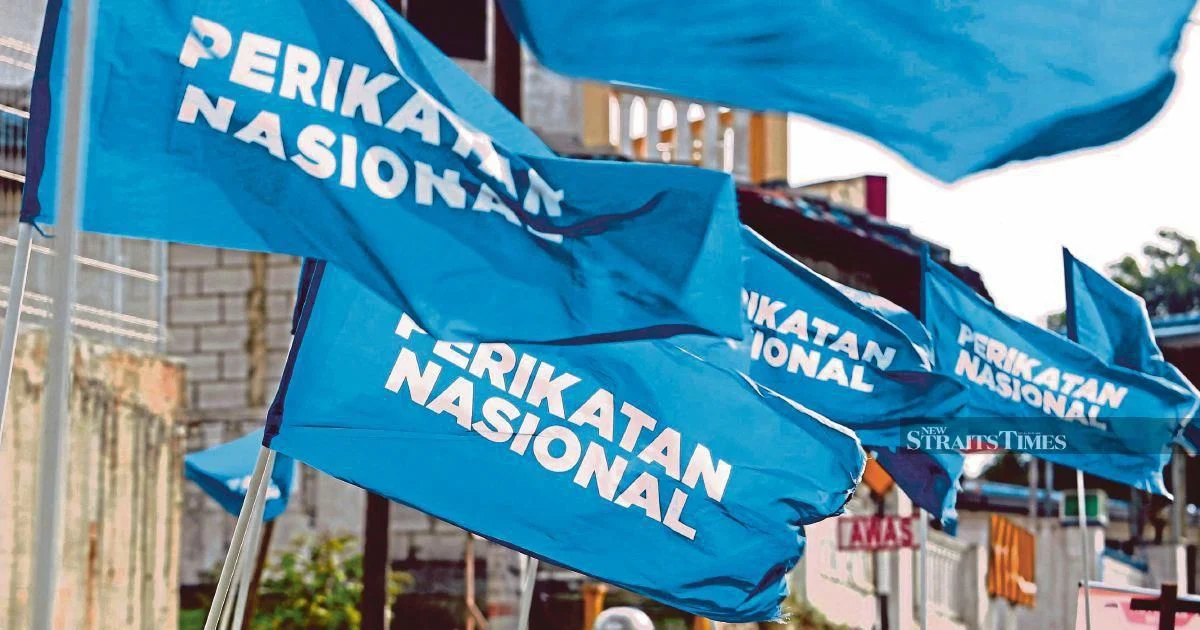
Tensions within the Perikatan Nasional coalition have reached a new flashpoint, with PAS leadership questioning whether Bersatu possesses the authority to deploy the coalition's logo in forthcoming state elections in Johor and Negri Sembilan. The dispute underscores deepening fractures within the political alliance that has weathered multiple internal conflicts since its formation.
PAS officials have asserted that only the coalition's chairman maintains the prerogative to authorise the use of the Perikatan Nasional insignia, according to statements from party leaders in Kota Baru. This position reflects concerns that Bersatu may be acting unilaterally without securing proper consent from the coalition's governing structures. The timing of the disagreement, coinciding with election preparations in two strategically important states, has heightened tensions among the bloc's leadership.
The spat illustrates the structural and governance challenges that have plagued Perikatan Nasional since its inception. Unlike more established coalitions where procedural protocols regarding logo usage and collective representation are clearly codified and consistently respected, the PN alliance has struggled to maintain unified decision-making frameworks. Such governance gaps become particularly pronounced during election cycles when individual parties seek maximum visibility and leverage.
For Malaysian political observers, the recurring disputes within Perikatan Nasional raise substantive questions about the coalition's durability and cohesiveness going forward. A coalition's capacity to enforce internal rules and reach consensus on operational matters often determines its longevity and effectiveness as a political force. The current disagreement over something as apparently straightforward as logo authorisation suggests deeper underlying disagreements about the distribution of power and authority within the alliance.
Bersatu's position in these negotiations reflects its status as the coalition's largest and most prominent component, particularly given the party's presence in federal government circles. The party may view itself as entitled to utilise collective branding without requiring separate approval, a stance that clashes with PAS's more traditional conception of coalition hierarchy and protocol. This difference in perspective reveals competing visions for how the PN alliance should function operationally.
The Johor and Negri Sembilan elections carry considerable strategic importance for all three major blocs competing in Malaysian politics. Success in these state polls would provide crucial momentum heading toward the next general election, making the contests fiercely competitive. That Perikatan Nasional appears unable to present a fully unified front regarding such elementary matters as coalition branding sends concerning signals about the alliance's readiness to maximize its competitive potential in these crucial battlegrounds.
From a broader governance perspective, the incident highlights how Malaysian political coalitions often lack formal institutional frameworks comparable to their counterparts in established democracies. Written constitutions explicitly detailing authority structures, decision-making procedures, and dispute resolution mechanisms could potentially prevent such conflicts from escalating. The absence of such documentation leaves coalitions vulnerable to interpretation disputes and personality-driven conflicts that undermine collective effectiveness.
The dispute also reflects the particular challenges facing Perikatan Nasional as a relatively recent coalition still establishing its institutional identity and operating norms. Unlike Barisan Nasional, which developed its internal procedures over decades, or Pakatan Harapan, which forged unity through shared electoral objectives, the PN alliance comprises parties with distinct organisational cultures and political philosophies. Reconciling these differences into a coherent coalition framework remains an ongoing challenge.
For PAS, asserting its prerogatives regarding coalition governance reflects its concern that larger or more resourced coalition partners should not dominate collective decision-making. As a party with deep roots in northern Malaysian states and established grassroots networks, PAS brings distinctive organizational strengths to the alliance. The party's insistence on proper procedural channels reflects its determination to maintain meaningful influence over coalition direction rather than becoming subordinate to Bersatu's preferences.
The practical implications of this disagreement extend beyond symbolic concerns about logo usage. State-level electoral campaigns require coordinated messaging, unified positioning, and collective resource deployment. When coalition partners cannot agree on fundamental matters of representation and branding, voters encounter confusion about the alliance's actual composition and priorities. This ambiguity potentially weakens the coalition's electoral appeal in contests where clear messaging and public clarity prove decisive.
Looking ahead, the PN leadership faces a critical decision point. Resolving this dispute through clear, binding procedures—such as establishing formal approval processes for all coalition-wide branding and communications—could strengthen the alliance structurally while preventing recurrence of similar conflicts. Conversely, allowing such disagreements to fester risks further deterioration, potentially making Perikatan Nasional vulnerable to competitive pressure from opposing coalitions in the crucial state elections ahead.
The road forward demands that Perikatan Nasional's leadership demonstrate the political maturity necessary to subordinate individual party interests to collective alliance objectives. Whether the coalition can accomplish this reconciliation may ultimately determine not only its performance in Johor and Negri Sembilan but also its viability as a major force in Malaysian national politics beyond these state contests.

