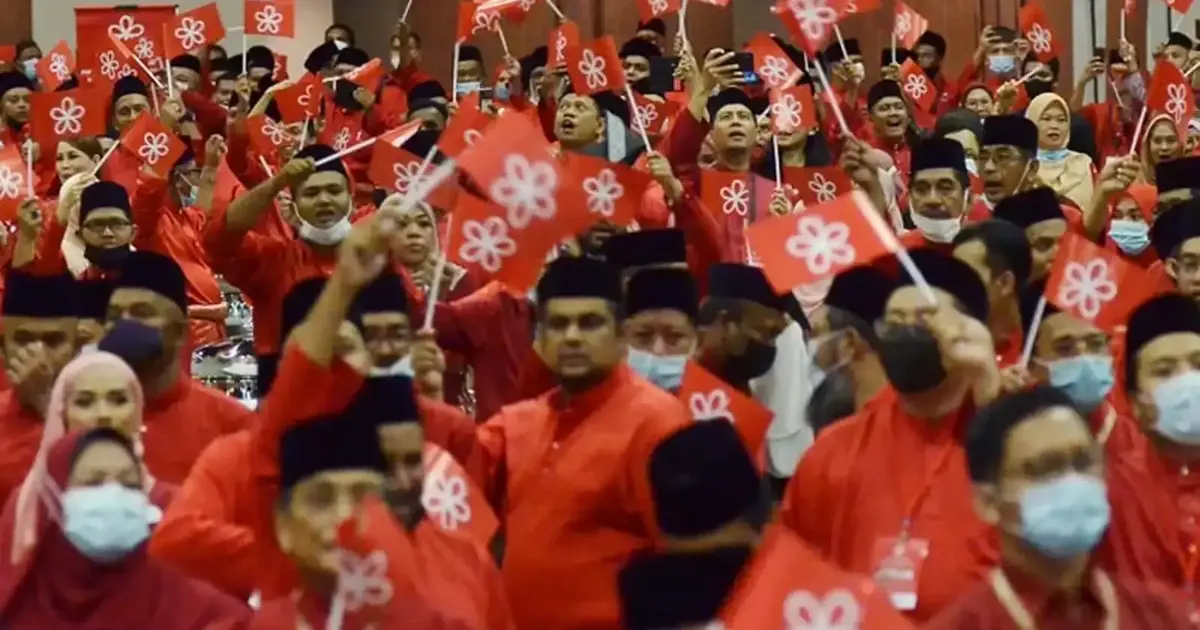
The structural coherence of Perikatan Nasional faces fresh scrutiny after a prominent PAS leader cast doubt on Bersatu's continued participation in the opposition coalition. Iskandar Abdul Samad, PAS treasurer, has argued that the political environment no longer permits Bersatu to operate meaningfully as part of the alliance, raising questions about the durability of opposition unity as Malaysia approaches the next general election cycle.
Iskandar's remarks represent more than routine intra-coalition friction. They underscore deepening disagreements over strategy and positioning that have festered beneath the surface of Perikatan Nasional since the coalition's formation. PAS, which has consolidated significant influence within PN following its electoral breakthrough in 2022, increasingly appears willing to voice criticism of its allies openly, a sign that the partnership faces fundamental ideological and tactical misalignments.
The timing of these comments carries particular weight. Bersatu, led by former Prime Minister Muhyiddin Yassin, has occupied an awkward middle ground within Malaysian politics. The party attempted to position itself as a Malay-centric alternative to UMNO while maintaining distance from PAS's Islamist agenda. This balancing act has proven increasingly precarious as the coalition structure pushes for clearer ideological definition. PAS's apparent willingness to question Bersatu's viability suggests the Islamist party believes the coalition would function more coherently without the former ruling party's competing interests.
For Malaysian voters and political observers, this tension reflects a broader fragmentation of the Malay-Muslim political base. Where once the Barisan Nasional dominated this constituency, the electorate has splintered across UMNO, Bersatu, PAS, and other contenders. This fragmentation benefits neither the government coalition nor the opposition, as resources become dispersed and messaging becomes muddled. Perikatan Nasional's difficulties in maintaining internal unity suggest that opposition consolidation remains elusive, potentially affecting the competitiveness of challenges to the ruling coalition.
Bersatu's predicament within PN reflects the party's wider strategic dilemma. The party entered government as part of Perikatan Nasional following the 2022 elections but later withdrew from cabinet cooperation while formally remaining in the coalition. This neither-one-thing-nor-another status has left Bersatu without clear leverage or distinct purpose within PN. PAS's criticism effectively highlights the party's lack of essential function—if Bersatu cannot contribute meaningfully to coalition operations or electoral strategy, its continued membership becomes a source of organisational drag rather than strength.
Regionally, Malaysia's coalition instability matters significantly for Southeast Asian political dynamics. A fragmented opposition lacking coherent strategy reduces the quality of parliamentary scrutiny and deliberation. Neighbouring countries watch Malaysian political developments closely, as they inform broader patterns of democratic resilience and institutional function across the region. Persistent coalition infighting suggests systemic challenges in how Malaysian political groups build and sustain working partnerships.
Iskandar's intervention also reveals shifting power dynamics within Perikatan Nasional itself. PAS has emerged as the most organisationally effective component of the coalition, with extensive grassroots infrastructure and demonstrable electoral appeal in rural constituencies. This success has apparently emboldened PAS leaders to dictate terms to weaker partners. The treasurer's public comments suggest that PAS is prepared to reshape PN's composition according to its preferences, even if this means forcing uncomfortable realignments.
For Bersatu, the political options have contracted considerably. Rejoining the government coalition formally remains possible but would require substantial negotiation and likely involve accepting subordinate positions. Alternatively, the party could attempt to strengthen its independent presence, but Bersatu lacks the organisational depth and grassroots connections that PAS possesses. A third option—merger with another political entity—has been periodically discussed but carries obvious risks to Bersatu's leadership and identity.
The broader implications extend to governance quality. Coalition governments function effectively when member parties have complementary strengths and compatible strategic objectives. When partnerships persist primarily through inertia or lack of viable alternatives, they tend toward internal paralysis. If Perikatan Nasional continues deteriorating, Malaysian voters face the prospect of opposition ineffectiveness and renewed government dominance by default rather than electoral preference.
Iskandar's comments also signal that PAS is thinking strategically about post-election configurations. Should Perikatan Nasional underperform in future elections, PAS may position itself to negotiate directly with the government or lead a reconstituted opposition. By publicly questioning Bersatu's value now, PAS creates political space for such manoeuvers and establishes a narrative explaining why PN's composition shifted. This forward-looking calculation reflects sophisticated political management.
For Malaysian political economy, continuing coalition instability suggests prolonged uncertainty about governance direction and policy continuity. Investors and development planners prefer predictable political environments. Ongoing disputes between coalition partners create information asymmetries about which party will ultimately control policy levers, complicating long-term planning. The uncertainty Iskandar's remarks create, while perhaps tactically advantageous for PAS internally, imposes wider costs on economic and institutional confidence.
Moving forward, Bersatu faces a critical juncture. The party must either demonstrate enhanced value to Perikatan Nasional or prepare for political reconfiguration. Without clear purpose within the coalition and facing open criticism from PAS, Bersatu's trajectory appears increasingly determined by forces beyond its control. How the party navigates these pressures will reveal much about its underlying political viability and adaptability.

