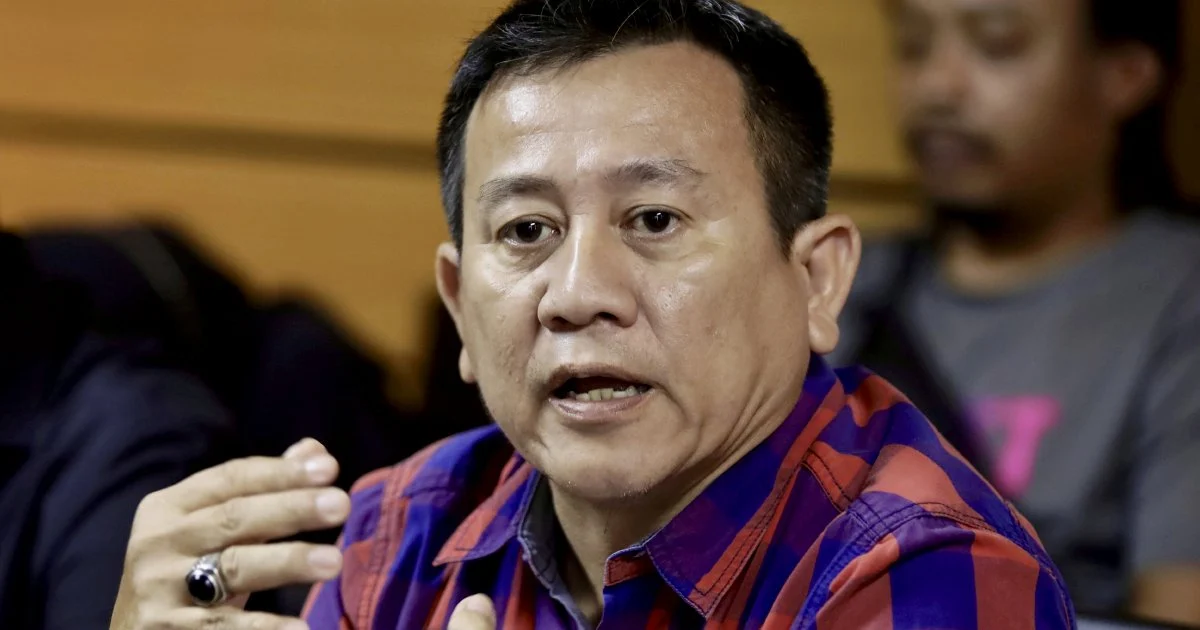
The fragile unity holding Malaysia's opposition coalition together faces new strain following calls from within Perikatan Nasional itself for a significant reconfiguration. Bersatu information chief Datuk Tun Faisal Ismail Aziz has publicly advocated that PAS, the bloc's largest component by membership, should exit the PN arrangement and pursue an independent electoral strategy or establish fresh political partnerships elsewhere.
This intervention represents a calculated but potentially destabilizing move within PN, which was formed to challenge the ruling Pakatan Harapan government. The coalition, comprising Bersatu, PAS, and smaller parties including Perikatan Selangor and Gerakan, has presented itself as a unified opposition force since the 2022 general election. Yet beneath this façade, fundamental disagreements persist regarding strategic direction, resource allocation, and the terms governing seat-sharing in federal territories and state assemblies.
Tun Faisal's statement carries particular weight given his official capacity within Bersatu's information hierarchy. Unlike anonymous backbencher dissent, public pronouncements from party spokespersons typically reflect deliberate leadership thinking. This suggests Bersatu's upper echelons harbour genuine frustrations with PAS's role within the coalition structure, whether relating to internal governance, election preparation, or ideological direction. The timing of such remarks, whether carefully calculated or spontaneous, inevitably creates additional pressure on relationships already strained by competition for political space.
PAS occupies an unusual position within Malaysian politics. As the country's largest Islamic party by membership, it commands substantial electoral strength in rural and semi-urban constituencies across the peninsula. This organizational machinery makes it simultaneously invaluable to any coalition seeking to maximize parliamentary representation and potentially threatening to smaller partners who perceive their influence diluted by PAS's dominance. Bersatu, formed by former Prime Minister Mahathir Mohamad and subsequently led by Muhyiddin Yassin, has consistently sought to position itself as the coalition's intellectual and political center, a role complicated by PAS's organizational heft.
The economic and social implications of such political jostling merit examination. Coalition instability at the opposition level creates uncertainty for Malaysian voters attempting to assess viable alternative government configurations. When opposition parties publicly critique each other's participation in shared arrangements, public confidence in both the coalition's coherence and individual parties' commitment to unified governance diminishes. This uncertainty has historically benefited ruling administrations by enabling them to frame opposition challenges as incoherent or fractious.
Regionally, Malaysia's political dynamics carry relevance for other Southeast Asian democracies navigating coalition politics. Opposition coalitions across Thailand, Myanmar, and Indonesia have experienced similar pressures stemming from divergent ideological commitments, unequal organizational capacity, and resource competition. Observers in these nations have sometimes cited Malaysian examples—both successful and failed coalition attempts—when assessing their own political arrangements. PN's internal tensions therefore possess pedagogical value for regional political analysts studying coalition sustainability.
ShouldPAS heed such suggestions and exit PN independently, several scenarios become plausible. The party might contest the next general election as a standalone force, leveraging its substantial grassroots machinery and ideological distinctiveness to secure parliamentary seats without coalition constraints. Alternatively, PAS might negotiate fresh partnerships with parties currently outside PN, potentially including components within the ruling coalition itself. Historically, PAS has demonstrated flexibility regarding political alignment, having collaborated with entities across Malaysia's political spectrum depending on circumstantial advantage.
For Bersatu specifically, a PAS departure would fundamentally reshape the opposition landscape. Bersatu's own electoral competitiveness, historically reliant on winning specific demographic constituencies, might face pressure without PAS's organizational support in certain regions. The party would simultaneously gain freedom to pursue alternative alignments or coalition terms more favorable to its leadership's preferences. The internal Bersatu debate likely reflects calculations about whether PAS's presence strengthens or constrains the party's electoral prospects and post-election negotiating position.
The stability of Malaysia's opposition politics depends substantially on maintaining coalition arrangements despite underlying tensions. When such tensions surface publicly through senior officials' comments, they signal weakening internal cohesion. Whether Tun Faisal's remarks represent trial balloons testing party membership reaction, genuine leadership preferences, or strategic messaging designed to pressure PAS into accepting modified coalition terms remains analytically uncertain. What appears clear is that PN cannot indefinitely sustain its current configuration without addressing fundamental structural and procedural disagreements.
Looking forward, the coalition faces a critical period requiring either genuine reconciliation addressing core grievances or formal restructuring acknowledging parties' divergent interests. PAS's response to Bersatu's advocacy will significantly influence subsequent developments. If the Islamic party interprets such comments as hostile rather than constructive criticism, reciprocal public statements may follow, further eroding coalition cohesion precisely when united opposition positioning would strengthen electoral prospects against the incumbent government. Conversely, good-faith discussions addressing resource allocation and strategic priorities might consolidate rather than fracture the arrangement.

