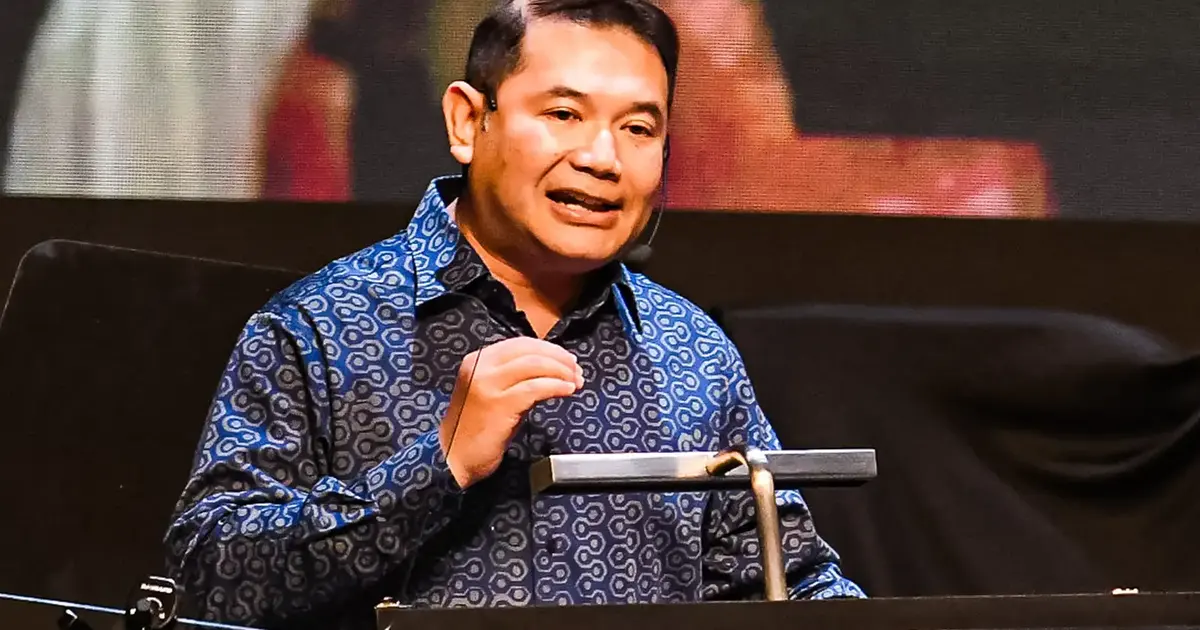
Parti Bersama Malaysia has finalized its roster for the forthcoming Johor state assembly election, drawing on a pool of 73 dedicated volunteers eager to represent the nascent political party. The announcement comes as Bersama Malaysia, still establishing its presence across Malaysia's political landscape, seeks to make meaningful inroads in one of the country's most influential states through competitive candidacy.
Parti Bersama Malaysia leader Rafizi Ramli declared that the comprehensive vetting and selection procedure has concluded, marking a significant milestone in the party's electoral preparations. The final slate of approved candidates is scheduled for public disclosure on Friday, allowing time for the party machinery to mobilize support and introduce their representatives to voters across Johor's various constituencies.
The decision to field 73 candidates underscores Bersama Malaysia's commitment to contesting significantly in Johor, a state that carries considerable political weight given its substantial parliamentary representation and historical role in shaping national governance trends. The magnitude of candidates reflects either the party's strategic ambitions or the geographic spread of Johor's electoral divisions, suggesting the party views the state as a crucial battleground for establishing credibility beyond its current support base.
For Malaysian political observers, Bersama Malaysia's expansion into Johor represents a broader fragmentation of the country's coalition landscape. The party's willingness to field candidates across numerous seats indicates confidence in its organizational capacity and grassroots appeal, even as it remains relatively new to electoral competition at this scale. The volunteer nature of these candidacies may signal either genuine grassroots enthusiasm or the party's current resource constraints in recruiting established political figures.
The timing of Bersama Malaysia's Johor campaign matters considerably within the current political climate. Johor's electoral dynamics have historically influenced broader national political calculations, and a credible Bersama Malaysia showing could shift voter perceptions of the party's viability as a political force beyond its founding narrative. Conversely, a weak performance might indicate that the party struggles to translate organizational efforts into electoral momentum.
Rafizi Ramli's role as party leader carries particular significance given his previous prominence in Malaysian politics. His ability to attract 73 volunteer candidates suggests some capacity to inspire political participation, though questions remain about whether these individuals represent genuine conviction in Bersama Malaysia's platform or merely opportunistic positioning amid Malaysia's fluid political circumstances. The volunteer designation may also reflect different motivations compared to candidates actively recruited by established parties with entrenched machinery.
The selection process itself, while concluded according to Rafizi Ramli's statement, likely involved intense internal deliberation regarding candidate viability, geographic representation, and alignment with party principles. Any major political party must balance ideological consistency against electoral pragmatism when vetting candidates, and Bersama Malaysia's approach to this challenge will reveal much about the party's governance culture and decision-making priorities.
For Johor voters, the introduction of Bersama Malaysia candidates presents fresh political choices in what might otherwise be a contest dominated by established coalitions and incumbent advantages. Depending on the calibre and backgrounds of these 73 candidates, the party could either elevate political discourse through new perspectives or fragment the vote in ways that inadvertently benefit major parties through vote-splitting dynamics common in Malaysia's winner-take-all electoral system.
The Friday announcement will provide critical details about candidate demographics, professional backgrounds, and geographic distribution across Johor's constituencies. Such information will enable analysts and competing parties to assess Bersama Malaysia's strategic focus areas and identify potential vulnerabilities or competitive advantages in specific regions. The quality and profile of candidates revealed Friday will substantially influence how seriously major political actors regard this challenge to their Johor dominance.
Bersama Malaysia's Johor campaign also offers insights into the party's broader national trajectory. Success in fielding candidates across numerous seats suggests infrastructure exists for wider expansion, while actual electoral performance will determine whether this represents a genuine alternative to existing coalitions or merely another fragmentation within Malaysia's increasingly crowded political marketplace. The party's ability to translate volunteer enthusiasm into votes will be definitively tested when Johor voters cast ballots.
Moreover, the party's focus on Johor specifically reflects calculated political strategy rather than random targeting. The state's significance as both an economic powerhouse and political bellwether means that establishing credibility there could facilitate subsequent expansion into other states. However, overcommitting resources to Johor while remaining underdeveloped elsewhere might leave Bersama Malaysia vulnerable to marginalization in national politics despite strong state-level performances.
As Malaysia's political landscape continues evolving with new parties challenging traditional power structures, Bersama Malaysia's Johor campaign represents a test case for whether emerging political movements can overcome established advantages and voter loyalties. The 73 candidates represent either a genuine wave of political renewal or another temporary disruption to be absorbed by Malaysia's resilient two-coalition system, a distinction that Friday's announcements and subsequent campaigning will help clarify.
%22%2F%3E%3C%2Fpattern%3E%3C%2Fdefs%3E%3Crect%20width%3D%22100%25%22%20height%3D%22100%25%22%20fill%3D%22url(%23ph19gl2g)%22%2F%3E%3Crect%20width%3D%22100%25%22%20height%3D%22100%25%22%20fill%3D%22url(%23ph19gl2p)%22%2F%3E%3Ctext%20x%3D%2250%25%22%20y%3D%2250%25%22%20text-anchor%3D%22middle%22%20dominant-baseline%3D%22central%22%20fill%3D%22rgba(255%2C255%2C255%2C0.95)%22%20font-family%3D%22Georgia%2C%20'Times%20New%20Roman'%2C%20serif%22%20font-weight%3D%22700%22%20font-size%3D%22151%22%20letter-spacing%3D%22-0.02em%22%3EMuhyiddin%3C%2Ftext%3E%3C%2Fsvg%3E)
%22%2F%3E%3C%2Fpattern%3E%3C%2Fdefs%3E%3Crect%20width%3D%22100%25%22%20height%3D%22100%25%22%20fill%3D%22url(%23ph1zf89g)%22%2F%3E%3Crect%20width%3D%22100%25%22%20height%3D%22100%25%22%20fill%3D%22url(%23ph1zf89p)%22%2F%3E%3Ctext%20x%3D%2250%25%22%20y%3D%2250%25%22%20text-anchor%3D%22middle%22%20dominant-baseline%3D%22central%22%20fill%3D%22rgba(255%2C255%2C255%2C0.95)%22%20font-family%3D%22Georgia%2C%20'Times%20New%20Roman'%2C%20serif%22%20font-weight%3D%22700%22%20font-size%3D%22320%22%20letter-spacing%3D%22-0.02em%22%3EKing%3C%2Ftext%3E%3C%2Fsvg%3E)