Beijing police have dismantled an extensive fraud ring that bilked more than 100 elderly residents of over 10 million yuan (approximately US$1.5 million) through an elaborate scheme involving fake medical treatments and fabricated health diagnoses. The investigation led to the arrest of more than 30 suspects connected to the operation, which operated across multiple districts in the capital city, masquerading as legitimate health and wellness establishments.
The scheme unravelled after the family of a woman surnamed Li, aged in her sixties, discovered she had transferred approximately 700,000 yuan (US$103,000) to the centre. This staggering sum prompted relatives to investigate, revealing the extent of the deception that had ensnared their mother over an extended period. Li had undergone numerous expensive treatments, each session costing tens of thousands of yuan, based on false medical recommendations from the facility's staff.
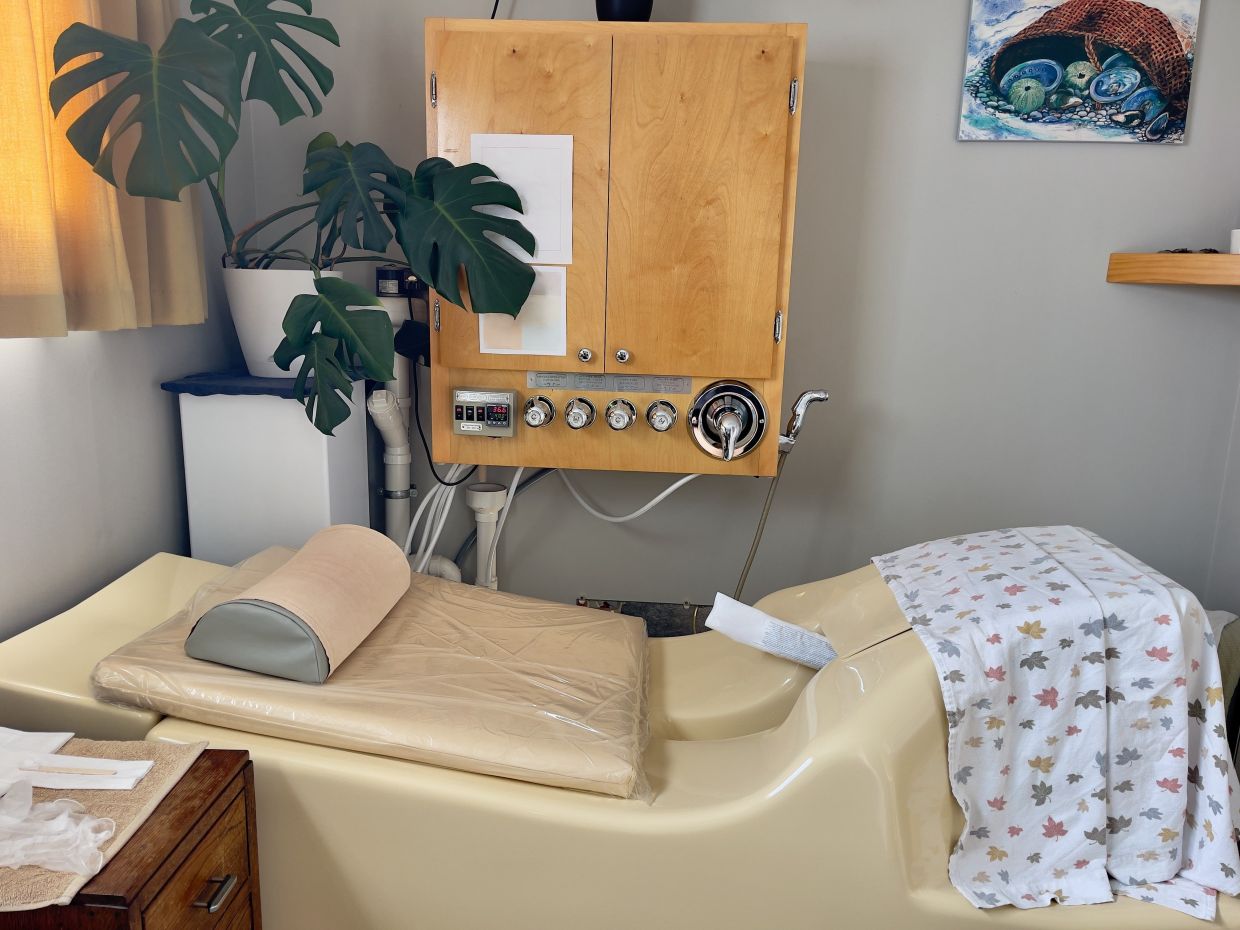
At the heart of the fraud lay an ingenious yet cynical deception: operators infused dark soy sauce—a common Chinese cooking ingredient used for food colouration—into intestinal cleansing solutions presented to patients. The discoloured liquid convinced unsuspecting seniors that their bodies were laden with dangerous toxins requiring expensive, prolonged treatment regimens. This visual manipulation proved devastatingly effective in persuading vulnerable individuals to commit substantial financial resources to the fake medical protocols.
The targeting strategy revealed a calculated understanding of psychological vulnerabilities among elderly populations. Criminals specifically sought out affluent seniors living alone or experiencing emotional isolation despite having adult children. The operation exploited a widespread phenomenon in urban China: empty-nest elderly who lack daily contact with family members and seek companionship and care elsewhere. Operators positioned themselves as attentive caregivers, remembering birthdays and demonstrating concern that appeared to exceed what some victims felt from their own families.
The recruitment funnel began innocuously. Initial contact often occurred at senior centres or gathering places where elderly congregate, where staff offered complimentary consultations purportedly conducted by medical experts. These supposed specialists would diagnose various ailments and recommend extended treatment plans. The fake practitioners employed intimidation tactics alongside emotional manipulation, leveraging seniors' health anxieties and desire for genuine medical care. Once trust established, victims found themselves trapped in escalating financial commitments.
The predatory nature of the operation intensified as victims exhausted savings. Staff resorted to increasingly aggressive pressure tactics, with one documented instance where practitioners urged a victim to pawn her golden bracelet to continue treatment, cynically suggesting: "If your illness cannot be treated, what do you need money for?" This psychological coercion transformed what appeared initially as healthcare facilities into extractive operations designed to drain elderly assets completely.
The scale of the criminal enterprise proved substantially larger than initial reports suggested. Police investigations identified more than 20 establishments operating across multiple Beijing districts, all functioning as fronts for the same coordinated fraud operation. The total turnover exceeded 30 million yuan (approximately US$4.5 million), far exceeding what legitimate health and wellness centres would typically generate, signalling anomalously aggressive revenue extraction. Individual victim cases reached staggering proportions, with the highest known loss exceeding 2 million yuan (US$295,000) from a single person.
This case arrives amid a critical demographic inflection point in China. By the close of 2025, the country's population aged 60 and above reached 323 million individuals, representing nearly 23 percent of the total population. Among this cohort, approximately 60 percent constitute empty-nesters—seniors without children or whose adult offspring reside separately—creating substantial populations vulnerable to exploitation. This demographic reality suggests the fraud discovered in Beijing likely represents merely one manifestation of broader predatory patterns targeting isolated elderly throughout Chinese urban centres.
The vulnerability of elderly populations to health-related financial fraud reflects both individual circumstances and systemic gaps in consumer protection. Seniors often possess accumulated savings, reduced employment obligations that free their schedules for frequent appointments, declining cognitive flexibility that makes them susceptible to persuasive narratives, and psychological needs for social connection and validation that exploitative operators deliberately target. The integration of legitimate-appearing medical protocols with emotionally manipulative relationship-building creates particularly insidious deception that families may not immediately recognize as fraud.
Observations from online commentators and consumer advocates point toward inadequate regulatory oversight of the health and wellness sector in China. Many such establishments operate with minimal licensing scrutiny, allowing operators to maintain facades of legitimacy while conducting purely extractive activity. The abundance of facilities employing similar tactics of free gifts and diagnosis-based sales pressure suggests that regulations currently applied to pharmaceutical companies and conventional medical institutions remain insufficiently extended to this expanding sector.
For Malaysian and Southeast Asian contexts, this case carries significant relevance. Rapid ageing populations throughout the region mirror China's demographic trends, and similar vulnerabilities exist among seniors across developed Asian economies. The tactics employed—emotional manipulation, fake expert authority, visual deception in supposed medical treatments, targeting of emotionally isolated individuals—require minimal adaptation to operate effectively across different cultural contexts. Health and wellness fraud targeting elderly represents a transnational concern that authorities throughout the region must proactively address.
The Beijing authorities' response suggests increased enforcement attention to predatory health centre operations, yet experts emphasise that systemic solutions require comprehensive industry regulation combined with enhanced consumer education targeting vulnerable populations. Families caring for elderly relatives must remain vigilant regarding unsolicited medical consultations and expensive treatment recommendations, particularly those involving persistent emotional appeals and escalating financial demands. The case ultimately exposes how sophisticated psychological manipulation combined with legitimate-appearing medical protocols can systematically exploit the elderly's genuine health concerns and desire for caring relationships.

