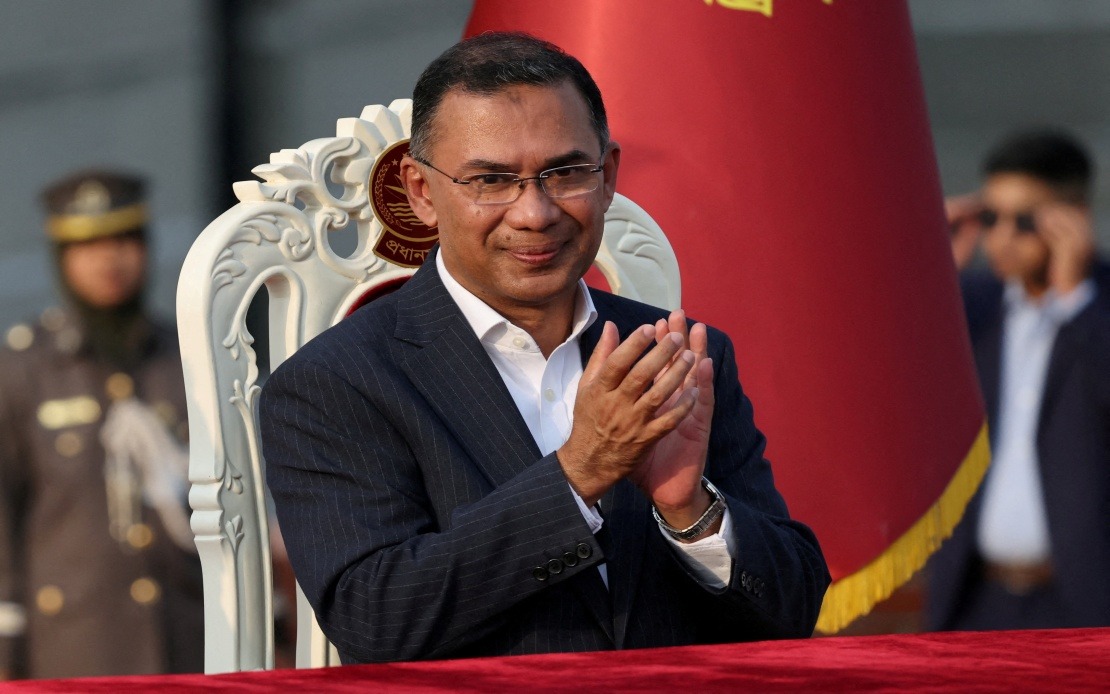
Bangladesh Prime Minister Tarique Rahman will arrive in Malaysia on June 22 for an official visit that represents a significant diplomatic milestone in his tenure. The trip, initiated at the personal invitation of Prime Minister Datuk Seri Anwar Ibrahim, carries particular weight as Rahman's inaugural bilateral visit abroad since assuming office in February 2026. The carefully timed engagement signals both governments' commitment to advancing a partnership that has matured considerably over recent years, with Malaysia positioning itself as a key ally in Southeast Asia for the newly led Bangladeshi administration.
The visit agenda reflects a comprehensive approach to bilateral relations. Upon arrival, Rahman will receive a formal welcoming ceremony at the Perdana Putra Complex, followed by substantive discussions with Anwar. These talks aim to review the current state of Malaysia-Bangladesh ties while identifying fresh avenues for deepening cooperation. The breadth of potential collaboration areas reveals the strategic nature of the relationship, extending well beyond traditional trade arrangements into sectors critical to both nations' development trajectories.
Trade and investment constitute the cornerstone of bilateral engagement, and recent figures underscore the economic significance of the relationship. During 2025, bilateral trade between Malaysia and Bangladesh reached RM12.18 billion, equivalent to approximately US$2.84 billion. This volume establishes Bangladesh as Malaysia's 28th largest trading partner globally, a position that reflects the relative scale of their economies but also the untapped potential within the relationship. More tellingly, Bangladesh ranks as Malaysia's second most important trading partner within South Asia, surpassed only by India—a metric that underscores Bangladeshi trade relevance within the broader regional context.
The composition of bilateral trade reveals interdependencies that benefit both economies. Malaysia's export portfolio to Bangladesh totalled RM10.08 billion in 2025, with petroleum products dominating shipments. This concentration in energy exports reflects Bangladesh's substantial energy requirements as its economy expands, a dynamic that benefits Malaysia's hydrocarbon sector and positions the country as a reliable supplier for South Asian markets. Conversely, Malaysian imports from Bangladesh reached RM2.10 billion, comprising primarily textiles, apparel, and footwear—sectors in which Bangladesh has developed substantial competitive advantages through its large, skilled labour force.
Beyond commercial considerations, the delegations will examine cooperation across knowledge-intensive and technology-driven sectors. Energy remains pivotal given Bangladesh's escalating demand as industrialisation accelerates, while the semiconductor industry represents an emerging frontier for collaboration. Both nations recognise that technological capabilities and manufacturing competencies can be complementary, potentially positioning a Malaysia-Bangladesh axis within broader regional supply chains. Human resource management and educational cooperation also feature prominently, reflecting recognition that workforce development and institutional capacity-building underpin sustainable economic partnerships.
The formal instruments to be exchanged during the visit demonstrate the institutionalisation of bilateral cooperation. A memorandum of understanding on cultural cooperation will formalise collaboration in preserving heritage, facilitating people-to-people exchanges, and promoting understanding between societies. Simultaneously, two exchanges of notes addressing counter-terrorism research and investment promotion represent security and economic dimensions of the partnership. Counter-terrorism cooperation holds particular relevance given both nations' experiences with transnational security challenges, while investment promotion mechanisms aim to facilitate capital flows and reduce transaction costs for investors from both countries operating across their respective markets.
The composition of Rahman's delegation carries symbolic significance. His spouse, Dr Zubaida Rahman, accompanies him, reinforcing the ceremonial nature of a premier bilateral visit. The presence of Foreign Minister Dr Khalilur Rahman ensures continuity in diplomatic dialogue and substantive negotiation capability. Senior government officials from Bangladesh will engage with their Malaysian counterparts across sectoral lines, establishing institutional relationships that extend beyond the prime ministerial level and create durable networks for ongoing collaboration.
From Malaysia's perspective, hosting Bangladesh's premier represents strategic positioning within South Asia. As Malaysia pursues its Indo-Pacific engagement strategy, cultivating strong relationships with major South Asian economies strengthens its geopolitical influence and creates partnerships that transcend traditional ASEAN frameworks. Bangladesh, with a population exceeding 170 million and an economy increasingly integrated into global value chains, represents a market of substantial significance for Malaysian exporters and an increasingly important source of skilled labour for sectors facing domestic shortages.
The timing of this inaugural official visit by Rahman carries broader implications for Bangladesh's foreign policy orientation post-February 2026. By selecting Malaysia as the destination for his first bilateral journey abroad, Rahman signals the importance Malaysia occupies in Bangladeshi strategic calculations. The choice also reflects shared commitments to regional stability, development-oriented cooperation, and pragmatic engagement with neighbouring economies. For Southeast Asian observers, Bangladesh's diplomatic trajectory influences regional dynamics given its size, location, and role within multilateral forums including BIMSTEC and broader South Asian cooperation mechanisms.
Looking forward, this visit establishes momentum for expanded collaboration. Both nations possess complementary strengths—Malaysia's technological advancement, established financial services, and manufacturing expertise paired with Bangladesh's demographic dividend, labour abundance, and emerging manufacturing capabilities. Agricultural cooperation deserves particular attention, as Malaysian agricultural technology and sustainable practices could enhance productivity in Bangladesh, while Bangladeshi agricultural products find markets across Southeast Asia. Energy cooperation will likely intensify as Bangladesh transitions toward diversifying supply sources and investing in renewable technologies where Malaysian expertise could prove valuable.
The visit also reflects broader strategic calculations regarding regional balance and economic interdependence. As major powers compete for influence in South Asia and the Indo-Pacific, Malaysia-Bangladesh cooperation offers both nations opportunities to strengthen economic resilience and reduce strategic vulnerability. Educational exchanges, technical cooperation, and sectoral partnerships create constituencies within each country with vested interests in sustained positive relations, fortifying ties beyond governmental levels.
From the Malaysian perspective, deepening engagement with Bangladesh supports the nation's economic diversification and growth objectives. Access to Bangladeshi labour markets supplements domestic workforce needs in sectors like healthcare and construction, while Bangladesh represents an expanding market for Malaysian goods and services. Regional connectivity initiatives gain momentum when major economies within geographic proximity maintain robust bilateral relationships, potentially facilitating broader ASEAN-South Asia cooperation frameworks and enhancing the region's collective economic and strategic positioning.
The formal ceremonies, bilateral discussions, and substantive agreements planned for June 22 represent more than diplomatic protocol. They constitute foundation-building for expanded partnership addressing challenges and opportunities that transcend immediate bilateral concerns. As both nations navigate global economic uncertainties and strategic shifts, the Malaysia-Bangladesh relationship offers mutual benefits through complementarities in resources, capabilities, and market access. Prime Minister Rahman's visit thus marks not merely the beginning of his international engagements but potentially the inauguration of a significantly elevated phase in bilateral relations with consequences extending across multiple sectors and years ahead.

