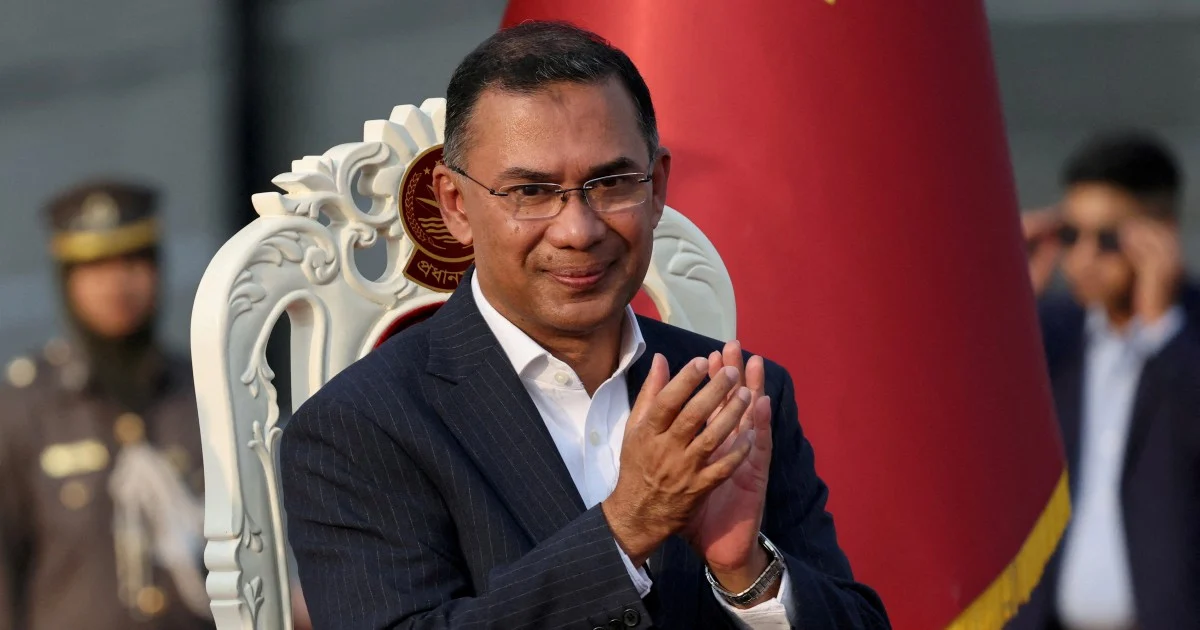
Bangladesh Prime Minister Tarique Rahman touched down in Malaysia today, marking the opening of a high-level diplomatic engagement aimed at reinforcing the strategic partnership between the two countries. The visit, which began with the premier's arrival at Sepang, signals a renewed commitment from Dhaka to strengthen institutional ties and expand collaborative frameworks with Kuala Lumpur across multiple sectors.
The timing of Rahman's visit comes at a significant juncture for South and Southeast Asian diplomacy. Bangladesh, as a pivotal economy in the Bay of Bengal region and a member of both SAARC and BIMSTEC, occupies an increasingly important position in regional geopolitical calculations. Malaysia, meanwhile, continues to deepen its strategic footprint across Southeast Asia while maintaining robust engagement with South Asian partners. The convergence of these interests has created fertile ground for substantive bilateral dialogue on issues ranging from trade and investment to regional security and cultural exchange.
Bilateral trade relations between the two nations have historically centred on Bangladesh's readymade garment exports and Malaysia's provision of advanced manufacturing technologies and palm oil products. However, recent years have witnessed a gradual diversification of economic ties, with both governments exploring opportunities in areas such as digital economy, renewable energy, and pharmaceutical manufacturing. Rahman's visit is expected to yield discussions on how to accelerate this economic transition while addressing long-standing impediments to deeper commercial integration.
One critical area for enhanced cooperation lies in educational and human resource development. Malaysia hosts a substantial community of Bangladeshi students, many of whom pursue advanced degrees at prestigious institutions throughout the peninsula. Both governments have recognised the potential for expanded scholarship programmes and academic partnerships that could facilitate knowledge transfer and strengthen cultural bonds between their societies. Such initiatives would also create pathways for skilled Bangladeshi professionals to contribute to Malaysia's high-tech sectors while maintaining transnational professional networks.
The visit also provides an opportune moment for both nations to coordinate positions on pressing regional issues. Myanmar's ongoing political instability continues to generate refugee flows that directly impact Bangladesh, which currently hosts millions of Rohingya displaced persons. Malaysia has also shown humanitarian concern and strategic interest in stability across Southeast Asia's borders. Bilateral discussions on this humanitarian crisis could yield collaborative approaches to burden-sharing and international advocacy efforts.
Investment and infrastructure development represent another substantive focus for bilateral engagement. Bangladesh's ambitious infrastructure modernisation programmes, including port expansion at Chittagong and transport corridor development, present opportunities for Malaysian companies with expertise in ports, logistics, and engineering. Conversely, Bangladesh-based enterprises have shown growing interest in Malaysian markets for agricultural exports and light manufacturing operations. The visit offers a platform for business delegations and government officials to explore joint venture possibilities and investment protection mechanisms.
Cultural and people-to-people exchanges form the softer but equally important dimension of bilateral relations. Both Bangladesh and Malaysia share Islamic heritage and multicultural traditions that create natural affinity among their populations. Enhanced tourism initiatives, cultural festivals, and media collaborations could deepen mutual understanding and generate economic spinoffs through expanded travel and hospitality sectors. Such exchanges also counterbalance geopolitical competition in the region by fostering direct connections among ordinary citizens across borders.
Regional cooperation frameworks provide additional context for Rahman's engagement with Malaysian leadership. As members of ASEAN-related forums and emerging Asian multilateral organisations, both nations share interests in maintaining maritime peace in critical waterways, combating transnational crime, and promoting sustainable development. The visit affords both sides an opportunity to align their approaches to these shared challenges and coordinate advocacy within regional bodies where their voices carry collective weight.
The diplomatic machinery surrounding Rahman's visit extends beyond ceremonial dimensions. Substantive negotiations are likely to address visa facilitation for business travellers, mutual recognition of professional qualifications, and deepened cooperation within regional economic groupings such as BIMSTEC and the Bay of Bengal Initiative. Such practical arrangements, though less visible than headline-grabbing announcements, form the infrastructure that enables tangible growth in bilateral relations and create momentum for sustained engagement across multiple governmental levels.
For Malaysia, engaging closely with Bangladesh reflects a conscious strategic choice to deepen ties with South Asian powers rather than remaining primarily focused on ASEAN-centric diplomacy. This broader regional vision positions Malaysia as a bridge economy capable of facilitating dialogue and collaboration across the Bay of Bengal region. Similarly, Bangladesh's investment in strengthening ties with Southeast Asian partners demonstrates Dhaka's determination to transcend traditional South Asian parochialism and position itself as an active participant in broader Indo-Pacific affairs.
The practical outcomes of Rahman's visit will likely include joint working group formations on specific sectors, enhanced visa facilities for business and professional mobility, and potentially new agreements on educational and cultural exchange. Beyond formal declarations, the visit underscores both nations' recognition that deeper integration serves their respective developmental objectives while contributing to regional stability and shared prosperity.