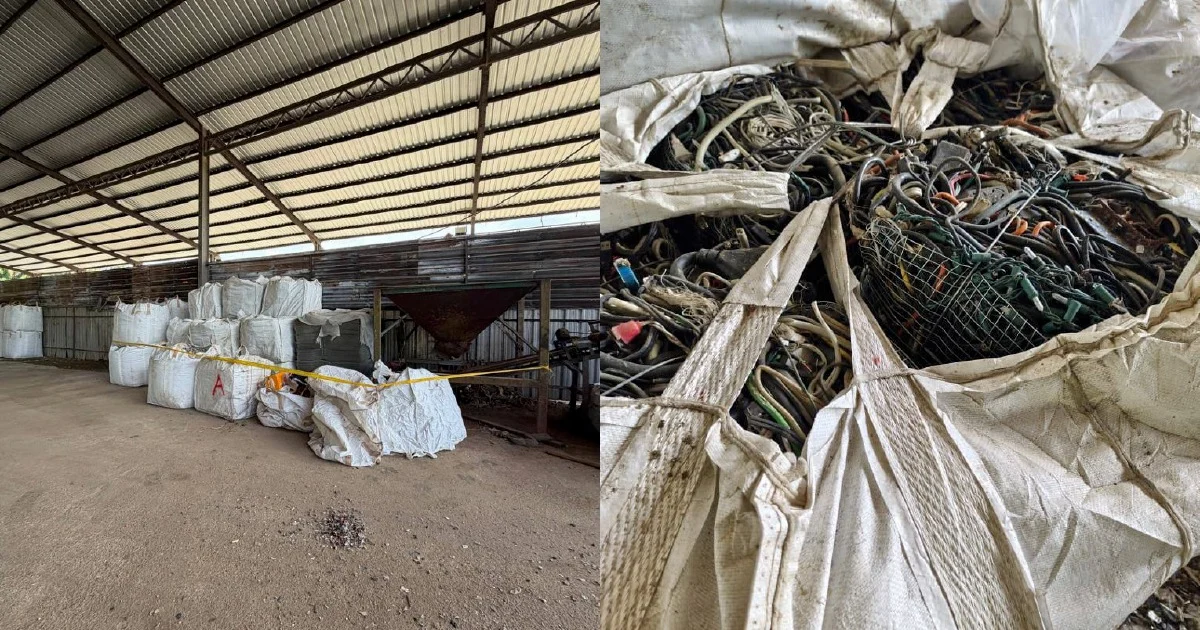
Environmental enforcement officials dismantled an illegal e-waste processing and storage operation in Bukit Mertajam yesterday, seizing a substantial cache of discarded electronic components valued at approximately RM3 million. The coordinated raid resulted in five arrests as authorities moved to crack down on the growing menace of unregulated e-waste handling across the country.
The facility, which had been operating without proper licensing or environmental clearance, contained large quantities of improperly stored electronic refuse awaiting processing. Investigators discovered that the operators had been collecting, stockpiling, and potentially attempting to recover materials from obsolete computers, smartphones, circuit boards, and other electronic devices without adhering to established environmental protection protocols.
E-waste management has emerged as a critical environmental concern throughout Southeast Asia, with Malaysia facing mounting pressures from both domestic consumption and transnational illegal dumping. The region's rapid technological advancement and consumer appetite for newer devices has created a parallel problem of mounting electronic refuse that often escapes formal disposal channels. Bukit Mertajam, situated in the highly industrialised Penang state, has become a known hub for such informal recycling operations that prioritise profit extraction over environmental safeguards.
The scale of this particular seizure underscores the sophistication of illegal e-waste networks operating in Malaysian territory. Rather than representing isolated criminal activity, these operations reflect systematic exploitation of regulatory gaps, weak enforcement capacity at certain checkpoints, and lucrative international demand for raw materials extracted from electronic waste. The five individuals detained are expected to face charges under relevant environmental legislation, though authorities have not yet disclosed their identities or specific roles within the operation.
Proper e-waste management requires specialised infrastructure, technical expertise, and strict compliance with hazardous materials handling standards. Illegally operated facilities typically expose workers to toxic substances including lead, mercury, and cadmium while simultaneously contaminating soil and groundwater through improper chemical leaching and processing methods. The environmental health risks emanating from such operations extend far beyond the immediate facility, potentially affecting nearby residential areas and water sources.
Malaysia's formal e-waste recycling ecosystem remains underdeveloped relative to the volume of electronic devices reaching end-of-life status annually. Legitimate recycling facilities operate under stringent regulatory oversight and incur substantial operational expenses, creating financial incentives for businesses to explore illegal alternatives. This structural imbalance between demand for e-waste processing services and the availability of compliant facilities has inadvertently fostered a thriving informal sector that circumvents environmental protections.
The operation yielded not only the physical confiscation of materials but also valuable intelligence regarding supply chains feeding these illegal facilities. Investigators are likely examining how electronic waste flows from collection points through intermediaries to processing hubs, potentially exposing connections to larger transnational smuggling networks. Such intelligence gathering represents a crucial component of strategy to dismantle organised e-waste trafficking rather than simply removing individual operations in isolation.
Penang state authorities, through environmental and industrial enforcement agencies, have intensified efforts to identify and shut down unlicensed e-waste operations following previous high-profile seizures and environmental incidents. The raid reflects a broader regional initiative to comply with Basel Convention obligations regarding hazardous waste transboundary movement, to which Malaysia remains a signatory. Neighbouring countries including Indonesia and Thailand have similarly launched major enforcement campaigns against illegal e-waste facilities, indicating coordinated regional concern.
From an economic perspective, the formalisation of Malaysia's e-waste recycling sector could unlock valuable recovery of precious metals, rare earth elements, and recyclable materials whilst simultaneously addressing environmental degradation. Industry analysts estimate that properly managed e-waste streams could generate sustainable business opportunities, though achieving this requires investment in infrastructure, worker training, and market development for recovered materials. Current penalties and enforcement actions, whilst necessary, function as deterrents rather than solutions to the underlying supply-demand imbalance.
The arrests mark a significant enforcement victory, yet they represent merely one intervention within an expanding problem space. Comprehensive responses must address consumer awareness regarding proper e-waste disposal, incentivise legitimate recycling operator growth, and strengthen international cooperation to prevent transboundary smuggling. Malaysian consumers disposing of redundant electronic devices frequently lack convenient access to certified recycling services, inadvertently channelling materials toward informal networks. Bridging this gap through expanded take-back schemes, retailer responsibility programmes, and accessible municipal e-waste collection points could substantially reduce the economic appeal of illegal operations.