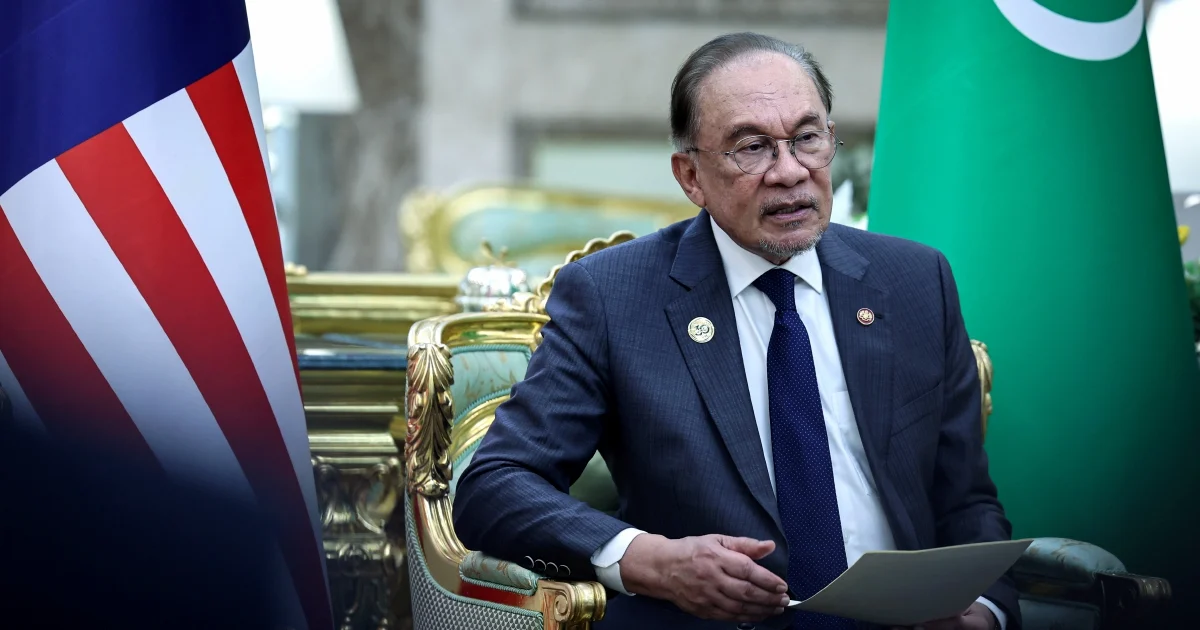
Prime Minister Datuk Seri Anwar Ibrahim has voiced his backing for reported preliminary understandings between Washington and Tehran, terming the development a constructive signal for international stability and peace efforts. Speaking from Batu Kawan, Malaysia's leader characterised the diplomatic engagement as encouraging news that transcends regional boundaries, reflecting his government's broader commitment to supporting conflict resolution initiatives across the globe.
The Prime Minister's measured endorsement reflects Malaysia's traditional diplomatic stance of neutrality and support for multilateral engagement, particularly in matters involving major powers with significant geopolitical influence. As a non-aligned nation with historical ties to both Western and non-aligned movements, Malaysia has consistently advocated for dialogue-based solutions to international disputes, positioning itself as a voice for developing nations in global affairs.
Anwar's comments underscore the potential consequences of US-Iran tensions for Southeast Asia, a region that depends heavily on stable international relations and unobstructed maritime trade routes. Any escalation between these two powers could disrupt shipping lanes vital to Malaysian commerce, increase energy costs, and destabilise financial markets across the region. The breakthrough therefore carries practical significance beyond diplomatic niceties, touching on everyday economic concerns that affect Malaysian households and businesses.
The significance of any agreement cannot be overstated given decades of mutual mistrust and previous failed negotiations. Previous attempts at rapprochement have collapsed under political pressure and competing strategic interests, making sustained commitment from both parties essential. Anwar's emphasis on the need for lasting peace rather than merely temporary truces reflects awareness that fragile agreements can unravel if underlying grievances and security concerns remain unaddressed.
Malaysia's perspective on this development is informed by its own experience navigating complex relationships with major powers while maintaining sovereignty and regional stability. The country understands that diplomatic breakthroughs require patience, good faith, and willingness from all parties to compromise on positions held for generations. These principles apply equally to Malaysian efforts in managing relations with various stakeholders in Southeast Asia.
The regional implications of improved US-Iran relations extend beyond traditional security concerns. Enhanced dialogue between Washington and Tehran could reshape Middle Eastern geopolitics, potentially affecting oil prices and energy security arrangements that impact Malaysia's energy sector and overall economic planning. Predictability in global energy markets remains crucial for long-term industrial policy and consumer protection.
Anwar's statement also reflects the Malaysian government's recognition that international peace and stability serve the interests of developing nations more than conflict does. While developed economies may possess mechanisms to absorb shocks from global instability, emerging markets like Malaysia face disproportionate challenges when international tensions rise. Supporting diplomatic solutions thus aligns with Malaysia's economic and strategic interests.
The timing of the Prime Minister's remarks demonstrates Malaysia's engagement with international developments and its willingness to contribute positively to global discourse on peace. By publicly supporting constructive dialogue between adversaries, Malaysia positions itself as a responsible member of the international community committed to conflict prevention rather than escalation.
However, Anwar's cautionary note about ensuring lasting peace suggests awareness that initial agreements often prove insufficient without follow-up mechanisms and sustained political will. History shows that even promising diplomatic breakthroughs can fail without comprehensive frameworks addressing underlying security concerns, economic interests, and regional power dynamics that perpetuate mutual suspicion.
For Malaysian observers, the US-Iran situation offers lessons applicable to Southeast Asian disputes and regional cooperation frameworks. The ASEAN experience demonstrates that sustained dialogue, incremental confidence-building measures, and commitment to non-interference in internal affairs can gradually transform relationships between countries with divergent interests and historical grievances. Similar principles underpin international efforts to resolve major power tensions.
The Prime Minister's endorsement carries weight within regional diplomatic circles, reflecting Malaysia's voice as a respected developing nation with experience in bridge-building diplomacy. Anwar's consistent advocacy for multilateralism and dialogue-based solutions has established Malaysia as a credible commentator on international relations, capable of offering perspective that balances idealism with practical political realities.
Looking forward, Malaysia will likely continue monitoring developments between the United States and Iran, ready to support any initiatives that enhance regional stability and global peace. The country's own diplomatic efforts in Southeast Asia and the wider international arena remain guided by principles of non-interference, mutual respect, and peaceful resolution of disputes—values that extend naturally to Anwar's hopeful assessment of US-Iran relations.

