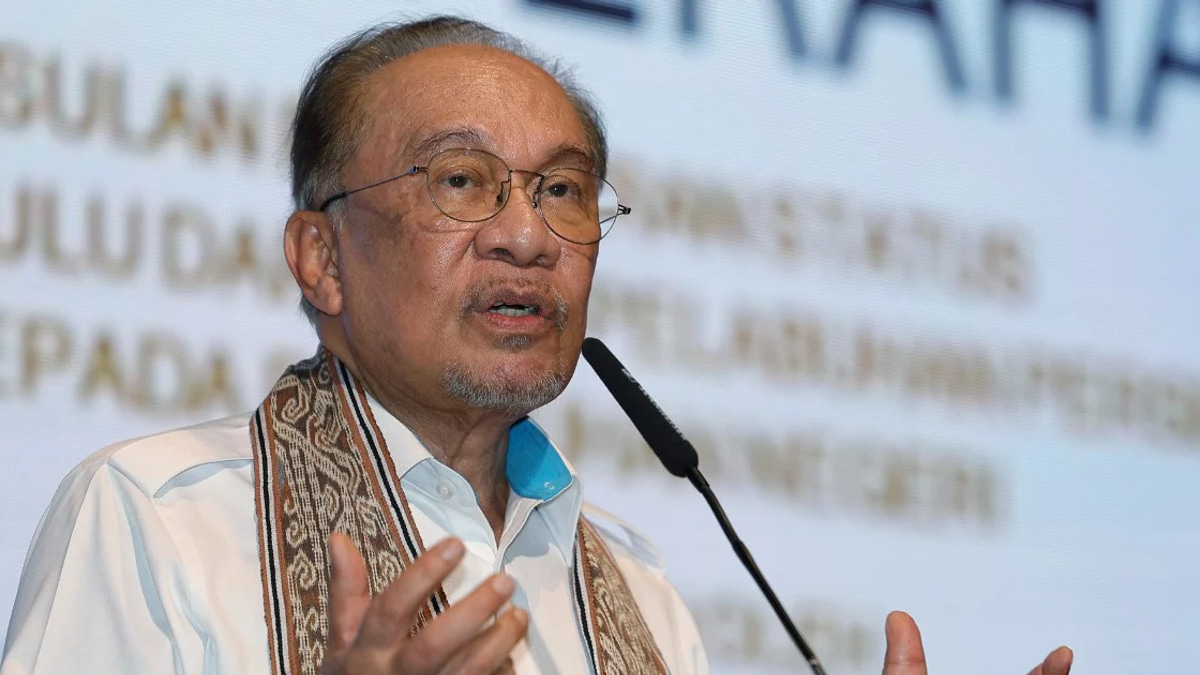
Pakatan Harapan chairman Datuk Seri Anwar Ibrahim will announce his coalition's candidates for the Johor state election at Bukit Gambir, marking a significant moment in the opposition's campaign strategy for one of Malaysia's most politically consequential states.
The announcement represents a pivotal step in PH's preparation for the Johor polls, as the coalition moves from internal deliberations to public positioning. The choice of Bukit Gambir as the venue carries particular symbolism, given the constituency's historical importance in Johor's political landscape. The decision to have Anwar personally lead the candidate announcement underscores PH's commitment to the state contest and demonstrates the gravity with which the coalition views securing electoral gains in Johor.
Johor has long been a BN stronghold, with the state serving as a crucial revenue generator for the ruling coalition and a source of consistent parliamentary seats. Any meaningful opposition gains in the state would represent a significant shift in Malaysia's electoral dynamics. The announcement of PH candidates therefore extends beyond mere formality—it signals the coalition's strategy for competing in a state where demographic shifts and economic pressures have begun reshaping voter sentiment.
The timing of the candidate announcement reflects broader political calculations at play across Malaysia. PH has been navigating internal coalition dynamics while attempting to present a unified front to voters. The state election, whenever it materializes, will serve as an important barometer of public sentiment towards the current federal administration and the viability of opposition alternatives. Johor's outcome could potentially influence subsequent electoral contests and parliamentary alignments.
Anwar's personal involvement in the announcement indicates that PH views the Johor contest as central to its narrative of political renewal and relevance. The timing also comes as the coalition continues to consolidate its position following recent electoral cycles. By presenting a carefully considered slate of candidates, PH aims to project competence and organizational discipline—qualities essential for convincing Johor voters that the opposition represents a viable governing alternative.
The Bukit Gambir venue selection also suggests strategic consideration of the specific constituencies where PH believes it can mount competitive challenges. The location serves both as a symbolic launching pad and potentially as a focal point for engaging with Johor's diverse voter demographics, including urban professionals, rural communities, and the growing middle class that has shown fluctuating support patterns.
Johor's political complexion has shifted in recent years, with economic pressures and governance concerns creating openings for opposition parties willing to articulate alternative visions. The state's strategic location along the Iskandar development corridor and its role as Malaysia's industrial heartland mean that local governance decisions directly impact both employment and quality of life for millions of residents. PH's candidate announcements will likely emphasize the coalition's policy responses to these bread-and-butter concerns.
The candidate slate will also reflect PH's efforts to balance representation among its constituent parties—PKR, DAP, and Amanah—while factoring in demographic considerations and the need to field competitive candidates in winnable seats. The internal negotiations leading to these selections would have involved substantial deliberation regarding candidate quality, local roots, and electability prospects. Each nomination carries implications for internal coalition harmony and external perceptions of PH's organizational coherence.
For Malaysian observers and particularly Johor residents, the candidate announcement offers crucial information about who PH believes can effectively represent various constituencies. The quality and calibre of nominated candidates will significantly influence voter receptiveness to the opposition's message. Strong candidates with genuine constituency connections and articulate policy positions could substantially strengthen PH's electoral prospects, while weak nominations might reinforce perceptions of opposition disarray.
The announcement also occurs within a broader context of Malaysian electoral speculation and political maneuvering. State elections in Malaysia serve as interim tests of popular sentiment and provide crucial momentum or setbacks for political parties heading into general elections. Johor's significance means that the election outcome will reverberate across the country's political ecosystem, influencing coalition dynamics, funding calculations, and strategic alignments among various political actors.
As PH prepares to unveil its Johor candidates, the coalition faces the broader challenge of translating administrative experience and policy proposals into electoral success in a state long dominated by entrenched political machines. The candidates announced at Bukit Gambir will essentially carry the responsibility of communicating PH's vision for Johor's future to voters who have grown increasingly attentive to governance quality and political competence. How effectively these candidates can connect with Johor's diverse communities will ultimately determine whether PH can achieve the breakthrough it seeks in Malaysia's most economically important state outside Selangor.