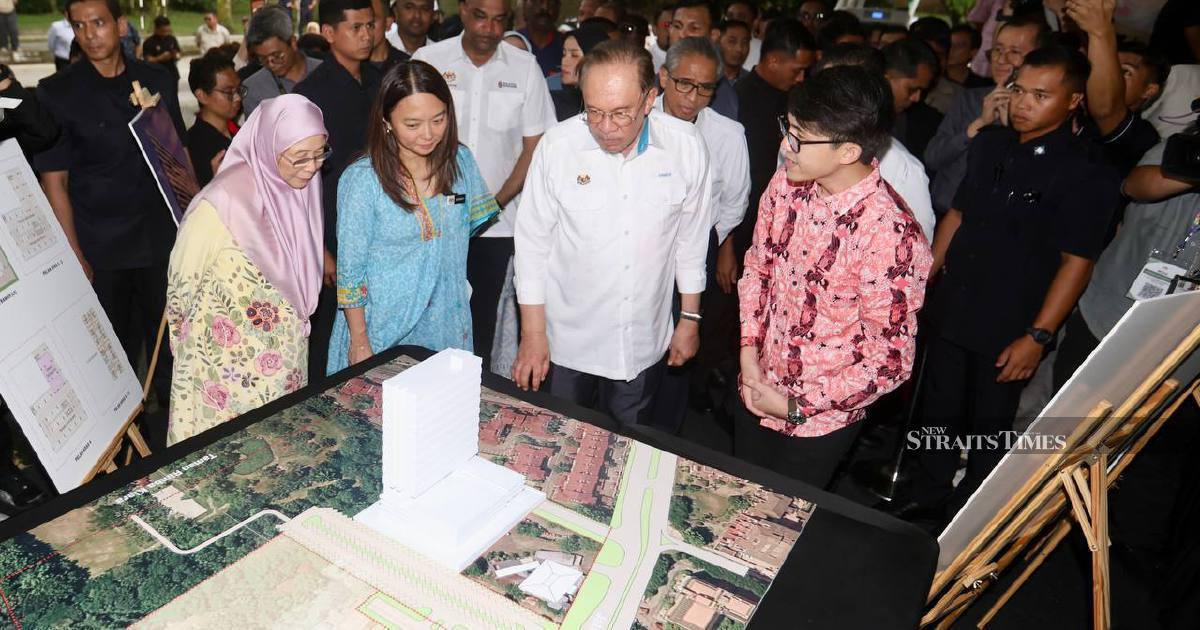
Prime Minister Datuk Seri Anwar Ibrahim has pushed back against criticism that his administration is dismissing the concerns of urban low-income communities, framing a major infrastructure project in the Bukit Kiara area as validation of the government's commitment to protecting disadvantaged populations.
The assertion comes amid ongoing scrutiny over how Malaysia's rapid urbanisation and property development are affecting the poorest residents in major cities. Policymakers across Southeast Asia face mounting pressure to demonstrate that economic growth benefits extend to those at society's margins, particularly as real estate booms in major metropolitan areas price out working-class families. Anwar's comments directly address this regional tension, positioning Malaysia's approach as inclusive rather than extractive.
The Prime Minister's reference to the Bukit Kiara initiative suggests the government views this specific project as emblematic of its broader philosophy towards urban renewal and social equity. Development schemes that integrate resettlement provisions, housing alternatives, or compensation mechanisms have become touchstones for governments seeking to legitimise major urban transformation. By invoking this example, Anwar appears to be making the case that his administration screens proposals for their social impact before approval, rather than rubber-stamping developments that displace vulnerable populations.
Contextualising this statement within Malaysia's recent political landscape reveals strategic calculation. Urban voters, particularly younger professionals and lower-income households in cities like Kuala Lumpur, Selangor, and Penang, constitute crucial electoral blocs. The administration's messaging on development equity matters as much for political sustainability as for governance outcomes. Anwar's coalition, having won the 2022 general election partly through urban support, must maintain credibility on issues that affect city dwellers' daily lives and financial security.
The urban poor in Malaysia face compounding challenges: stagnant wages, escalating property prices, inadequate public transportation linking affordable housing to employment centres, and limited access to government assistance schemes perceived as favouring other constituencies. These pressures have intensified over the past five years, even as gross domestic product growth continued. Acknowledging these realities while simultaneously defending development-related decisions reflects the delicate balance policymakers must strike between pursuing growth initiatives and safeguarding vulnerable communities from unintended consequences.
The Bukit Kiara project's specifics—what protections it contains, how affected residents were consulted, what alternatives were provided—will determine whether Anwar's invocation of this case strengthens or weakens his argument. Malaysians increasingly scrutinise the fine print of such claims. Social media and civil society organisations now rapidly fact-check and publicise whether development projects actually deliver promised benefits or merely offer cosmetic concessions while displacing communities into worse circumstances elsewhere. The success or failure of the Bukit Kiara precedent thus carries implications beyond that single locality.
Regionally, Malaysia's approach to balancing development and displacement resonates across Southeast Asia's rapidly urbanising economies. Indonesia, Thailand, and Philippines policymakers monitor how neighbours handle these tensions, as all face similar demographic and economic pressures. If Malaysia can demonstrate that inclusive development frameworks work—that they accelerate growth while genuinely protecting vulnerable populations—the model could influence regional best practices. Conversely, if urban poor communities feel abandoned despite government rhetoric about protection, it undermines the credibility of development-focused governance across the region.
The framing of rights protection deserves closer examination. Anwar's statement emphasises that rights are not being "sidelined" rather than asserting active enhancement of urban poor welfare. This rhetorical positioning suggests a defensive posture, answering criticism rather than articulating aspirational vision. Stronger advocacy might emphasise government initiatives that proactively improve conditions—new livelihood programmes, subsidised housing, skills training—rather than simply defending against accusations of neglect. The distinction between preventing harm and creating opportunity shapes how constituencies perceive leadership commitment.
Moving forward, the government faces opportunity to translate such statements into measurable indicators. How many urban poor families benefited from the Bukit Kiara arrangement? Did compensation or relocation support genuinely improve their circumstances or merely relocate problems? Did consultation processes genuinely incorporate community voices or rubber-stamp predetermined outcomes? These granular questions ultimately determine whether Anwar's assertion—that rights are upheld—withstands public scrutiny and delivers tangible improvement in vulnerable Malaysians' material conditions.

