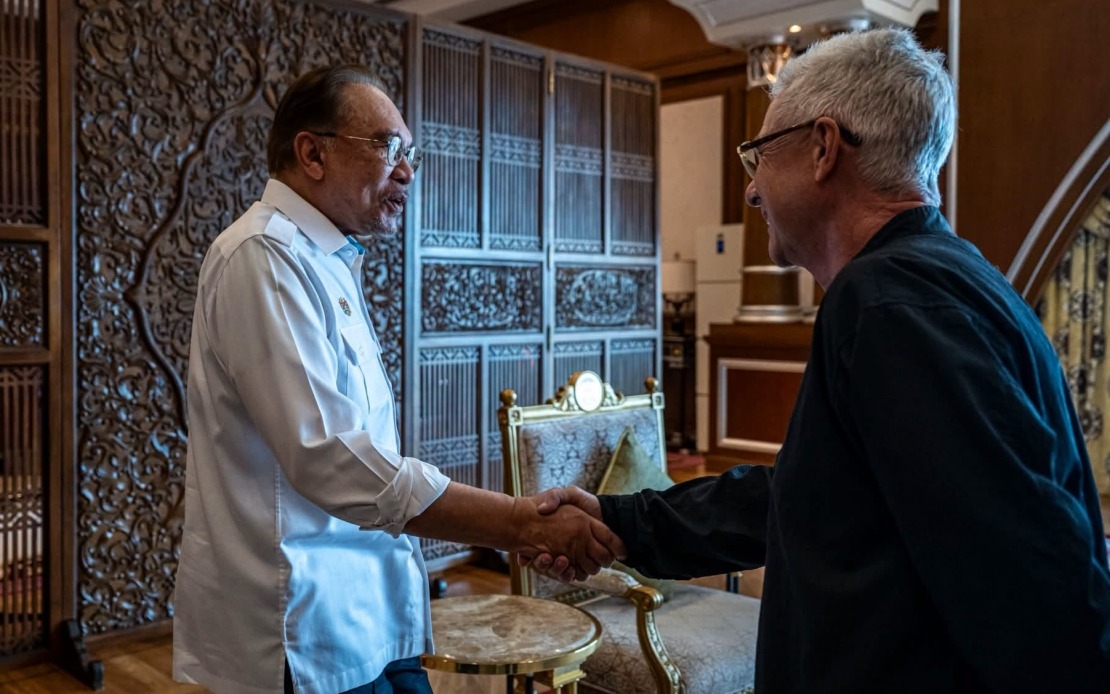
Prime Minister Datuk Seri Anwar Ibrahim has held discussions with Michael Roche, Executive Director of the Singapore Grand Prix, to draw on international experience in preparing for Malaysia's return to the Formula 1 calendar. The meeting underscores the government's determination to ensure the October 2–4 event at Sepang International Circuit (SIC) meets the exacting standards demanded by the sport's global stakeholders, whilst maximising the domestic benefits of hosting a premier motorsports event.
The engagement with Singapore's motorsports leadership reflects a strategic approach to event management. Singapore's annual night race has established itself as one of the sport's signature events, attracting substantial international media attention, high-value tourism, and corporate engagement. By examining Singapore's operational framework, governance structures, and spectator experience strategies, Malaysia aims to replicate proven elements whilst tailoring the event to local conditions and market dynamics. This knowledge transfer between regional hosts demonstrates the growing maturity of Southeast Asian motorsports infrastructure and the competitive sophistication now required to secure and execute Formula 1 fixtures.
The 2026 Bahrain Grand Prix at SIC represents a significant milestone for Malaysia's motorsports ambitions. Originally scheduled for the Bahrain International Circuit in April, the race was rescheduled to October and relocated following geopolitical tensions affecting West Asia. This compromise arrangement reflects Formula 1's flexibility in accommodating geopolitical realities whilst maintaining the calendar's viability. The venue change to Sepang presents both opportunity and complexity, requiring rapid organisational mobilisation and substantial infrastructure coordination across multiple government and private stakeholders.
According to Anwar's statement, the government anticipates the event will generate substantial economic spillover extending well beyond motorsports. Tourism inflows are projected to increase measurably, with international visitors and accompanying support staff creating demand across hospitality, retail, transportation, and service sectors. Employment opportunities will emerge across event operations, security, catering, and ancillary services, with both permanent and temporary positions. The international exposure and investor confidence generated by successful event execution can strengthen Malaysia's reputation as a competitive business destination and regional motorsports centre, potentially catalysing longer-term investment decisions by global corporations monitoring the country's capability to deliver world-class experiences.
The hosting decision aligns with broader national objectives embodied in the Visit Malaysia 2026 campaign, which targets substantial increases in international arrivals and tourism revenue. A Formula 1 event of this magnitude provides concentrated promotional impact, ensuring media coverage across multiple continents and reaching affluent demographic cohorts with demonstrated high spending capacity. The synergies between motorsports tourism and Malaysia's broader destination marketing create multiplier effects, as Formula 1 audiences typically extend their stays to explore cultural attractions, culinary offerings, and regional destinations, benefiting accommodation providers, restaurants, and tourism service operators throughout the peninsula.
The stakes surrounding SIC's return to Formula 1 carry historical resonance. The circuit hosted the Malaysian Grand Prix annually from 1999 through 2017, establishing itself as a premier fixture on the international racing calendar and providing Malaysia with sustained global visibility during that two-decade period. The race's discontinuation resulted from escalating hosting costs and licensing fees that ultimately proved unsustainable within Malaysia's economic priorities. The government's renewal of commitment to Formula 1 hosting therefore represents a recalibration of this cost-benefit equation, suggesting confidence that the 2026 arrangement presents more favourable financial terms or that the anticipated economic returns justify renewed investment. This confidence partly reflects lessons learned from the previous hosting cycle and a more strategic approach to event financing and partnership structuring.
The collaboration framework between Malaysia and Bahrain introduces an interesting hybrid model. Rather than a straightforward relocation, the arrangement constitutes a joint venture in which both nations maintain formal association with the event. This partnership approach may provide cost-sharing mechanisms, shared promotional responsibilities, and combined marketing reach that individual countries might struggle to achieve independently. For Malaysia, the arrangement offers the prestige and economic benefits of Formula 1 hosting whilst distributing certain operational and financial burdens across multiple stakeholders. The model may establish a template for future major sporting events in Southeast Asia, particularly for nations seeking to host prestigious international fixtures within constrained budget environments.
Prime Minister Anwar's emphasis on meeting international standards reflects the competitive environment surrounding Formula 1 venue hosting. The sport's governing bodies maintain rigorous technical, safety, and operational specifications that hosts must satisfy. Beyond these baseline requirements, successful modern Grand Prix hosting demands sophisticated fan engagement, seamless logistics, digital integration, and sustainability credentials. Spectators attending Formula 1 events increasingly expect world-class amenities, efficient transportation systems, environmental responsibility, and memorable experiences that justify substantial expenditure. The Singapore Grand Prix's success partly derives from meticulous attention to these variables, providing Malaysia with a detailed benchmarking exercise to guide preparation strategies.
The positioning of Malaysia as a regional motorsports hub carries strategic implications extending beyond single events. Sustained Formula 1 hosting, combined with development of supporting motorsports infrastructure, can attract complementary activities including driver academies, automotive research facilities, engineering centres, and manufacturing operations serving the motorsports supply chain. Several Southeast Asian nations have pursued similar strategies, recognising motorsports as an engine for high-value economic activity and talent cultivation. By demonstrating commitment through the 2026 hosting and emphasising intent to establish institutional motorsports capabilities, Malaysia can differentiate itself within the region and potentially attract investment in motorsports-related industries.
The government's stated commitment to ensuring event success reflects understanding that Formula 1 hosting represents both opportunity and risk. Execution failures—whether logistical breakdowns, safety incidents, or poor spectator experiences—generate negative international publicity that can damage national reputation and investor confidence. Conversely, successful events generate sustained positive associations and media amplification that extend well beyond the hosting period. This high-stakes nature of major sporting events explains why governments engage extensively with experienced event directors and invest significantly in preparatory infrastructure development and operational planning well in advance of the actual competition dates.
Looking forward, the October 2026 event will constitute a critical test of Malaysia's current event management capabilities and infrastructure quality. Success will likely position the country favourably for hosting additional Formula 1 fixtures and strengthen its candidacy for other major international sporting events requiring similar operational sophistication. Conversely, any significant shortcomings could undermine confidence in Malaysia's ability to deliver complex international events, potentially affecting future hosting opportunities. The stakes attached to this single October weekend thus extend considerably beyond the immediate three-day competition period, encompassing broader questions about Malaysia's trajectory as a regional economic powerhouse and world-class destination for business and tourism activities.

