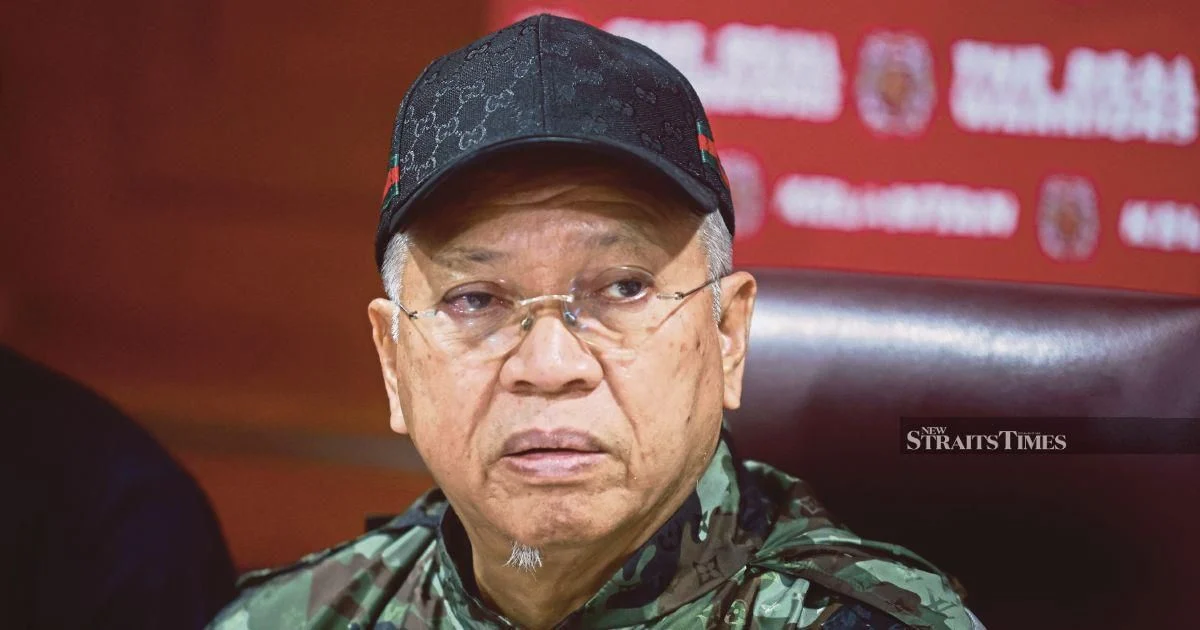
Tan Sri Annuar Musa, a senior figure within Malaysia's Perikatan Nasional coalition, has acknowledged that his personal diplomatic efforts to ease tensions between PAS and competing factions within Bersatu have ultimately proven fruitless. The revelation underscores deepening fault lines within the opposition alliance, which has struggled to maintain a unified front amid personality clashes and ideological differences at the leadership level.
Annuar's candid admission comes at a delicate moment for the Perikatan Nasional, an alliance formed to challenge the ruling coalition but increasingly beset by internal discord. The federation, which includes PAS, Bersatu, and several component parties, has been central to opposition politics in recent years. However, the inability of senior figures to mediate disputes signals that structural problems may be beyond quick fixes, particularly when they involve core leadership personalities and policy disagreements.
The tensions between PAS and Bersatu reflect broader ideological and strategic differences that have festered since the coalition's formation. While PAS draws strength from its Islamist base and rural support networks, particularly in Malaysia's northeastern states, Bersatu operates with a different political calculus. The latter party, which originated from within the Malay-Muslim establishment before embracing opposition politics, has developed internal factions reflecting competing visions for the party's future direction and alignment within the broader opposition landscape.
Annuar's failed reconciliation attempts reveal how interconnected disputes within the coalition have become. When divisions emerge within a single component party like Bersatu, the ripple effects inevitably affect partner parties. PAS leadership may perceive internal Bersatu instability as either an opportunity to consolidate influence or a threat to coalition coherence, depending on the specific circumstances. This dynamic has made simple mediation increasingly difficult, as multiple layers of interest and position-taking complicate straightforward resolution.
The persistence of these tensions carries significant implications for opposition strategy going forward. A fractious Perikatan Nasional struggles to project the unified, formidable challenge to government that its leadership publicly espouses. Malaysian voters watching coalition politics have learned through experience that partnerships prone to public disagreement often struggle when placed under the pressures of actual governance. This erosion of credibility happens gradually, through accumulated instances of public dispute and failed internal management, yet compounds over time into genuine electoral disadvantage.
For Annuar personally, the disclosure of his failed efforts may serve multiple purposes simultaneously. It demonstrates his willingness to engage in bridge-building activities, positioning him as a responsible senior party figure concerned with coalition stability. Simultaneously, by making public his difficulties, Annuar shifts some responsibility for persistent divisions onto other parties, implying that the problem lies elsewhere rather than with his own faction or approach. This careful calibration of messaging allows him to appear constructively engaged while hedging against blame.
The regional dimension adds another layer of complexity. PAS commands significant influence in several northeastern states including Kelantan, Terengganu, and parts of Kedah, where its combination of Islamic credentials and grassroots organization proves formidable. Any deterioration in Perikatan Nasional's functionality could jeopardize opposition strongholds in these areas, potentially benefiting the federal government through calculated defections or coalition breakdown. This creates pressure for resolution, yet such pressure alone has not proven sufficient to overcome the underlying disagreements.
Bersatu's internal factions appear rooted in differing assessments of the party's future. Some elements prefer continued opposition politics as a path to eventual power, while others harbour different views on strategic partnerships and timing. These are not merely personal squabbles but genuine political disagreements about party positioning, which explains why personal mediation attempts have failed. Such deep-rooted differences typically require either time, significant external pressure, or fundamental strategic reassessment to resolve.
The stakes for Malaysian politics extend beyond the coalition itself. The health of opposition alliances determines the competitive balance within parliament and state governments. A Perikatan Nasional weakened by internal disputes potentially strengthens the ruling coalition's hand in negotiations and policy implementation. This broader context means that figures like Annuar face pressure not only from within their coalition but from international observers and opposition supporters who fear that public dysfunction translates into governing incapacity.
Annuar's acknowledgment that his reconciliation attempts have failed may eventually prompt attempts through alternative channels or personalities. Perhaps a different mediator, operating with different assumptions or carrying different standing, might succeed where Annuar could not. Alternatively, the failed attempts may signal that resolution requires more significant structural changes or leadership adjustments than anyone currently willing to undertake. The coalition leadership will face increasing pressure to either demonstrate genuine progress toward resolution or acknowledge that fundamental realignment may be necessary.
The coming months will test whether these tensions remain manageable or spiral into coalition-threatening crises. Much depends on specific developments within Bersatu and whether PAS decides to leverage the situation strategically or seek genuine resolution. For Malaysian observers and international analysts monitoring Southeast Asian political developments, the Perikatan Nasional's capacity to manage internal differences will provide important indicators about the coalition's viability as a serious alternative government.

