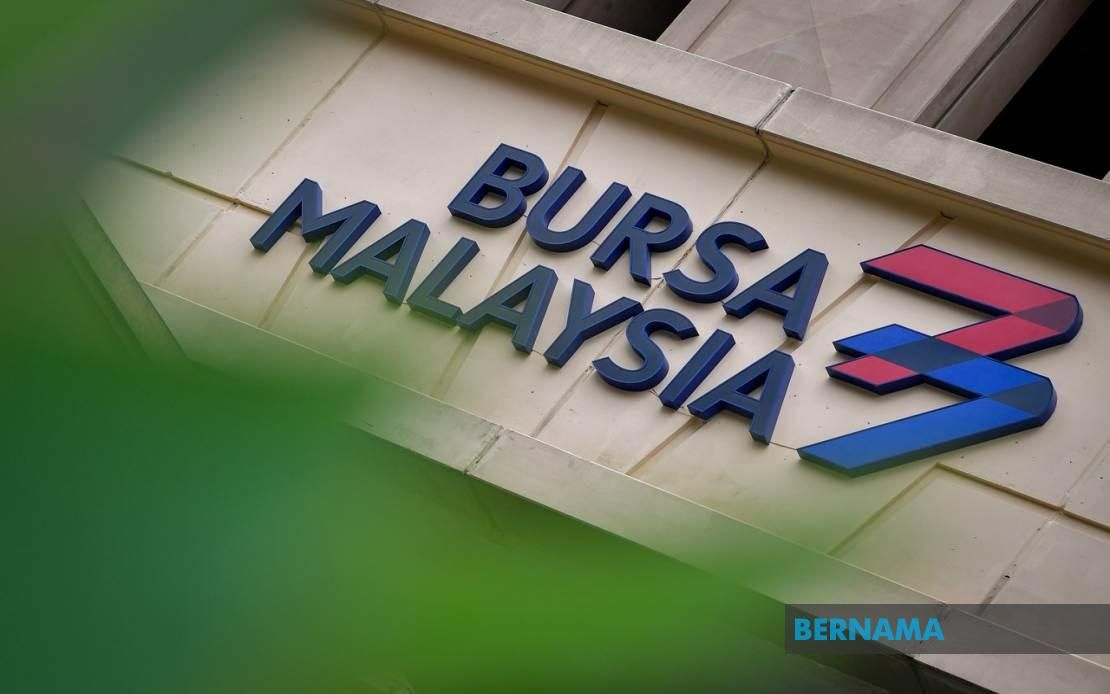
Ajinomoto Co Inc, the parent company controlling just over half of Ajinomoto (Malaysia) Bhd, has announced plans to take the monosodium glutamate manufacturer completely private through a selective capital reduction and share repurchase scheme valued at RM603.4 million. The Japanese conglomerate, which owns 50.38% of the company, is proposing to pay RM20 per share to acquire the remaining shares held by minority investors, subsequently delisting the business from Bursa Malaysia's Main Market.
The proposed offer represents a significant incentive for shareholders to accept the privatisation terms. Based on the closing price of RM15.20 recorded on the last trading day of June 19, 2026, the RM20 per share offer delivers a premium of 31.58%. Measured against the five-day volume weighted average price, the proposal extends a 30.68% premium, while it exceeds the one-year volume weighted average by 49.93%, demonstrating a substantial uplift across multiple valuation benchmarks.
One of the principal justifications cited by Ajinomoto Co Inc centres on the severe illiquidity affecting the company's shares. Over the past five years, average daily trading volume has languished at approximately 38,715 shares, rendering it exceptionally difficult for minority shareholders to execute meaningful transactions without suffering significant market impact. This sustained lack of trading activity has effectively created a liquidity trap, where minority shareholders hold theoretical ownership stakes that are practically difficult to realise at fair market rates. The parent company characterises the privatisation as a mechanism enabling these trapped shareholders to exit their positions at a substantial premium rather than continuing to hold shares in a largely dormant security.
Beyond shareholder considerations, Ajinomoto Co Inc argues that operating as a private entity will generate substantial operational advantages. The parent company contends that maintaining listed status imposes considerable compliance burdens, requiring dedicated management attention and financial resources to satisfy regulatory disclosure and reporting obligations imposed by Bursa Securities. These administrative and governance costs have accumulated without corresponding capital market benefits, as Ajinomoto Malaysia has undertaken no equity fundraising activities for more than a decade, rendering the traditional rationale for maintaining a public listing obsolete.
The mechanised structure through which privatisation will be executed involves a carefully calibrated capital engineering exercise. Ajinomoto Malaysia's current issued share capital totals RM65.1 million, represented by 60.8 million shares. To facilitate the transaction while respecting the interests of entitled shareholders—specifically minority shareholders owning 49.62% of the equity—the company will conduct a bonus share issuance of 571.11 million new shares, capitalising RM571.1 million from accumulated retained earnings. This significant bonus augmentation adjusts the share register to accommodate the capital repayment of RM603.4 million that will flow to minority shareholders, with both the original and bonus share holdings subsequently cancelled, leaving Ajinomoto Co Inc with unencumbered 100% ownership.
The financial mechanics underscore a fundamental corporate restructuring that extends beyond simple share acquisition. Rather than conducting a conventional off-market buyback at prevailing share prices, the transaction employs a capital reduction framework combined with bonus capitalisation, creating a tax-efficient mechanism for transferring value to minority shareholders while simultaneously simplifying the corporate structure. This approach has become increasingly common amongst multinational parents seeking to consolidate control of subsidiaries operating in secondary markets where minority participation no longer serves strategic objectives.
For Ajinomoto Malaysia specifically, complete parental ownership promises enhanced operational flexibility and the capacity to pursue strategic initiatives without constraint from minority shareholder considerations. The company can streamline its organisational structure, eliminate unnecessary corporate governance protocols, and allocate resources that previously flowed toward regulatory compliance toward genuine business development. This operational liberation becomes particularly valuable for manufacturing and food production enterprises pursuing supply chain optimisation and regional coordination strategies that may be constrained by public company limitations.
The timing of this transaction reflects broader trends among multinational corporations reassessing the utility of maintaining public listings in developing Asian markets. Globalisation and efficient capital allocation have rendered many secondary listings redundant, particularly when parent companies have achieved sufficient operational control and ownership concentration renders external minority participation marginal. The combination of minimal trading liquidity and the absence of capital raising requirements creates an increasingly common scenario where privatisation delivers benefits to shareholders while eliminating ongoing regulatory and compliance expenses.
Share trading in Ajinomoto Malaysia was suspended on June 22, 2026, with resumption scheduled for June 23, allowing the market to digest this significant development. The suspension period provides appropriate breathing room for shareholders to assess the proposal and consider their options, particularly given that the offer represents a material value enhancement for those willing to exit their positions. The relatively compressed trading suspension timeline reflects the straightforward nature of the transaction and the absence of competitive tension that might otherwise necessitate extended negotiation periods.
For Malaysian minority shareholders and potential investors, this transaction illustrates the risks inherent in holding shares in subsidiaries of foreign multinational corporations, particularly where trading liquidity remains perpetually constrained and the parent company has concentrated ownership. The privatisation offer, while financially attractive relative to recent trading prices, represents an endpoint to public market participation and eliminates ongoing possibilities for participation in any future strategic reorientation. The premium pricing reflects parent company acknowledgement of the shareholder inconvenience imposed by illiquidity and minority status, effectively compensating investors for accepting permanent exit from the listed equity markets.