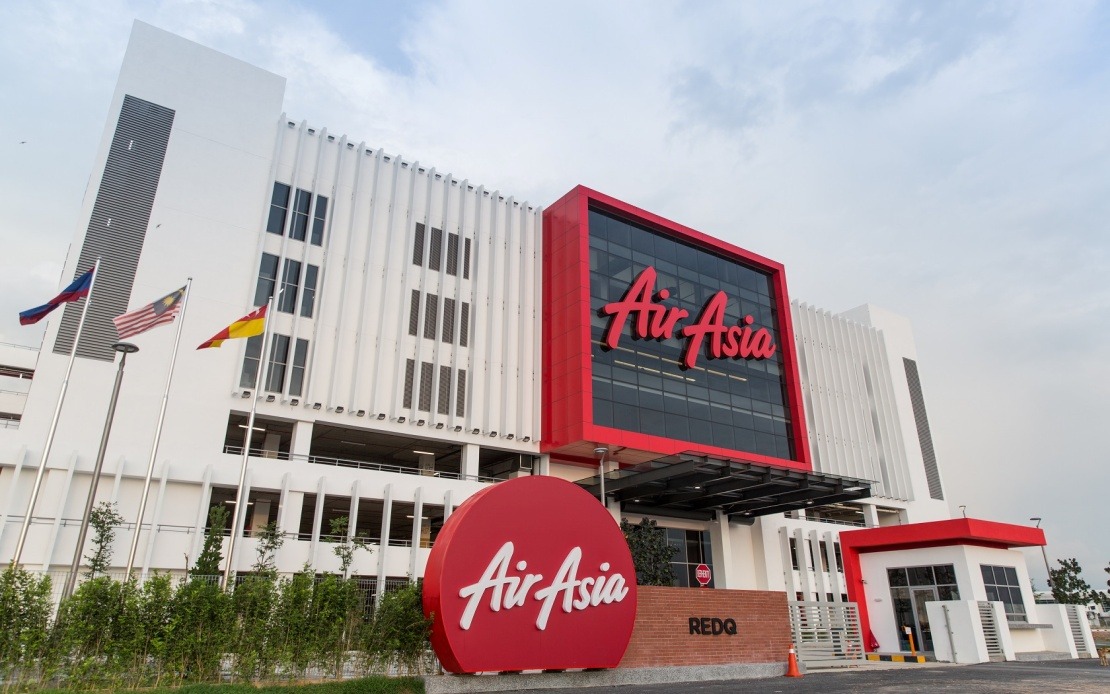
AirAsia has issued a formal alert to guard job applicants against a deceptive recruitment website that mimics the airline's legitimate careers platform. The low-cost carrier identified a fraudulent portal operating under the domain http://airasiaexpress.com as the primary threat, cautioning the public that this site is actively deceiving applicants seeking employment with the airline.
The scheme operates with a troubling degree of sophistication. Rather than operating as a crude phishing exercise, the scam carefully replicates the appearance and functionality of AirAsia's genuine careers page, lending it a veneer of legitimacy designed to reassure unsuspecting job hunters. Once applicants engage with the false portal, they are solicited to provide sensitive personal information and subsequently pressured into remitting payment described as "processing fees" to advance through what appears to be a hiring procedure. In reality, no employment opportunity exists, and the personal data collected becomes a commodity vulnerable to misuse.
The airline stressed that its authentic recruitment operations occur exclusively through http://careers.airasia.com. This official designation is a critical distinction for applicants navigating the employment market. AirAsia made explicit that the company maintains a strict policy of never charging job seekers any fees whatsoever during the application or selection phases. This principle serves as a definitive litmus test: any recruitment contact demanding payment is categorically fraudulent, regardless of how professionally presented.
Such scams reflect a broader trend in Southeast Asia where job-seeking platforms have become prime hunting grounds for cybercriminals. The appeal is obvious: job applicants are typically motivated by urgency, hope, and a willingness to invest modest sums in what they believe will advance their careers. This psychological vulnerability, combined with the ease of creating convincing websites through modern web design tools, creates ideal conditions for mass fraud operations. Criminals exploit not only the immediate victims who lose money but also harvest personal data for identity theft, account takeover attacks, and secondary fraud schemes.
The ramifications extend beyond individual financial loss. When major employers like AirAsia experience impersonation fraud, the damage to corporate reputation is tangible. Legitimate job seekers may develop skepticism about purported opportunities, potentially suppressing applications to genuine positions. Trust in the airline's recruiting process, once compromised in a candidate's mind, takes time to rebuild. Additionally, the circulation of counterfeit sites creates customer service burdens as applicants contact the real company seeking clarification or reporting suspected fraud.
AirAsia's warning carries particular weight given Malaysia's position as a regional aviation hub and a major employer across Southeast Asia. The airline operates extensive operations throughout the region, making it a recognisable brand to millions of potential employees. This visibility paradoxically makes it an attractive target for fraudsters: a counterfeit AirAsia portal commands more credibility than a fake site posing as a lesser-known enterprise. Job seekers across Malaysia, Singapore, Indonesia, Thailand, and the Philippines may all be exposed to this specific scam given AirAsia's pan-regional recruitment needs.
The airline indicated it maintains active monitoring systems to detect and respond to fraudulent recruitment activities bearing its name. However, the persistence of such scams despite corporate vigilance underscores the asymmetric challenge: fraudsters can create new malicious domains faster than companies can eliminate them, and the technical barriers to entry remain minimal. This dynamic places significant responsibility on individual job seekers to exercise caution and verification practices.
Applicants are advised to implement several protective measures when engaging with recruitment portals. Verifying website URLs carefully, checking for secure connections indicated by HTTPS and lock symbols, and cross-referencing application links through official company websites and established job boards all reduce vulnerability. Legitimate employers will provide contact information through transparent channels and maintain consistent branding across all official communications. Any request for upfront payment should immediately trigger skepticism, as reputable companies absorb recruitment costs as a normal business expense.
The incident also highlights the importance of reporting suspected fraud to relevant authorities. Malaysia's Securities Commission and the Malaysian Communications and Multimedia Authority maintain channels for reporting online scams and cybercrime. When applicants encounter suspicious recruitment websites, reporting them enables authorities to coordinate takedown efforts and identify patterns in criminal behaviour. Collective awareness and reporting mechanisms create friction against large-scale scam operations.
For job seekers navigating Malaysia's competitive employment landscape, the AirAsia warning serves as a timely reminder of the risks accompanying online job searching. While the vast majority of recruitment platforms operate legitimately, the potential consequences of encountering fraudulent sites extend beyond embarrassment about lost fees. Personal information surrendered to criminals can fuel identity theft and provide scaffolding for elaborate fraud chains affecting victims for years. Careful verification, healthy skepticism about unsolicited employment opportunities, and direct contact with company human resources departments through verified channels represent the most reliable defences against these increasingly sophisticated schemes.

