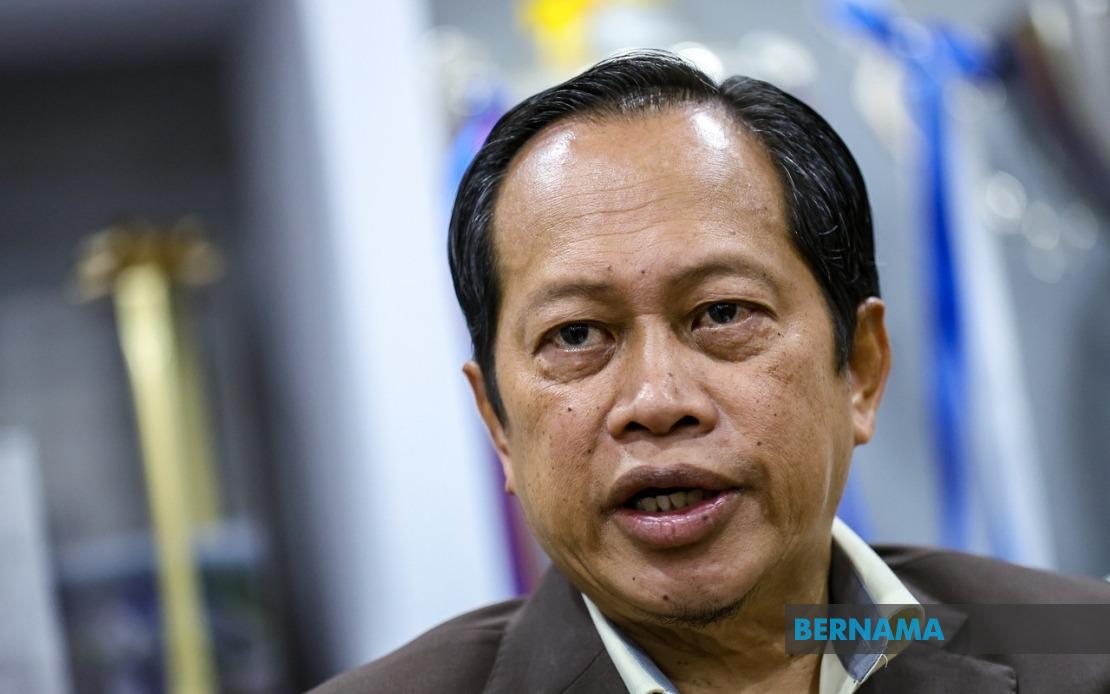
Datuk Seri Dr Ahmad Maslan, the deputy chairman of Johor Barisan Nasional and currently serving as Deputy Works Minister, has formally announced he will not be a candidate in the forthcoming Johor state election, resolving weeks of uncertainty about his political plans. Speaking in Iskandar Puteri on Tuesday, Ahmad clarified that he has stepped back from consideration for both the Benut and Pulai Sebatang state seats, both located within his Pontian parliamentary constituency, a region where he maintains significant political influence.
The decision comes as the state prepares for its 16th election cycle, with the Election Commission having scheduled polling day for July 11. Nomination proceedings are set for June 27, giving the major coalitions just over a week to finalise their candidate lists across all contested seats. Early voting is slated for July 7, ensuring voting opportunities for those unable to cast ballots on the main polling day.
Ahmad's withdrawal from the race represents a strategic repositioning within Johor's BN structures. Despite holding a prominent position within the state coalition machinery, he has concluded that allowing other aspirants to contest these particular seats serves the broader interests of the party. This move reflects an understanding that while his national ministerial portfolio carries weight, distributing candidate opportunities across a wider pool of members can strengthen party unity and broaden the appeal of BN's electoral campaign across different demographic segments.
The Pontian MP emphasised that his decision should not be interpreted as a reduction in his commitment to the coalition's electoral prospects. Rather, he intends to concentrate his energies on grassroots campaigning and strategic support for BN and UMNO candidates throughout the state election cycle. Such behind-the-scenes roles, though less visible than direct candidacy, often prove instrumental in mobilising party machinery and coordinating voter outreach efforts across constituencies.
Ahmad's confirmation effectively closes a chapter of speculation that had centred on his electoral ambitions in Johor. Political observers had linked him to multiple potential candidacies as BN strategists weighed various configurations ahead of the formal nomination period. His withdrawal suggests that internal party discussions and consensus-building among senior leaders resulted in this alternative arrangement, prioritising broader party objectives over individual advancement.
The timing of this announcement carries significance for BN's campaign strategy in Johor, a state that remains strategically crucial for the coalition's national political standing. Johor has historically served as a BN stronghold, and maintaining electoral dominance there is essential for the coalition's overall positioning in Malaysian politics. Every candidacy decision reverberates through the party structure, influencing morale, resource allocation, and the delegation of campaign responsibilities.
Speaking from the Johor Public Works Department during an official working visit, Ahmad addressed journalists with characteristic directness, indicating that senior party leadership had been fully informed of his intentions well before any public announcement. This suggests the decision emerged from deliberate consultation with BN hierarchy rather than representing a last-minute pivot, lending credibility to his stated rationale about creating opportunities for other party members.
The Benut and Pulai Sebatang seats, both falling under the Pontian parliamentary division where Ahmad holds considerable political capital, will now be available for other BN candidates to pursue. These seats represent valuable electoral assets given Pontian's traditional voting patterns and demographic composition. The opening of these candidacies expands the pool of potential representatives and may help refresh BN's presence in these areas, particularly if younger or previously overlooked party figures are positioned to contest.
Ahmad's ministerial responsibilities in the Works Ministry may have factored into this decision. Managing a national portfolio while simultaneously contesting and campaigning in state elections demands considerable time and energy. By concentrating on his ministerial duties and BN's state-level campaign support, Ahmad positions himself to maintain effectiveness in both spheres without the demands of direct constituency representation during a state election cycle.
Looking ahead, the state election campaign will reveal how effectively Ahmad's strategic decision translates into electoral outcomes for BN. His ongoing support for candidates in his own parliamentary division and across Johor more broadly will be closely monitored by party observers and political analysts. Success in these roles could enhance his standing within UMNO and BN, potentially creating pathways for future advancement regardless of whether he contests legislative seats.
For Malaysian political watchers and Johor voters, Ahmad's announcement clarifies the competitive landscape heading into the election period. The resolution of such high-profile candidacy questions typically reduces internal party tensions and allows stakeholders to focus on the substantive electoral campaign ahead. With nominations due within weeks, other aspirants can now adjust their own strategic planning accordingly, knowing where incumbent or senior figures have positioned themselves.

