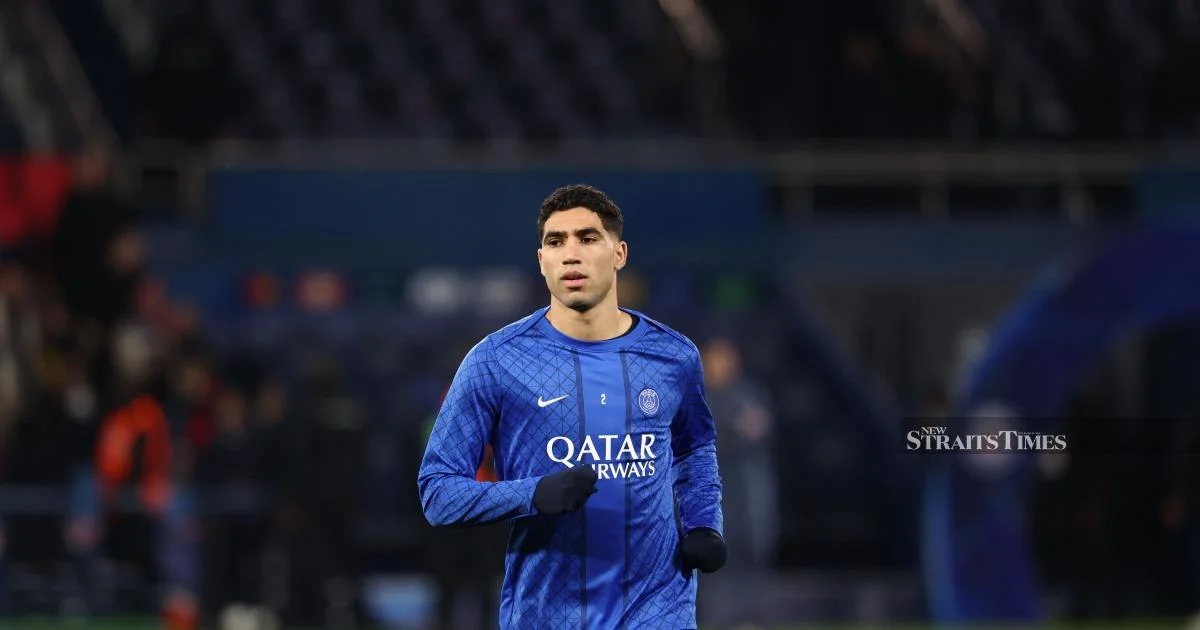
Moroccan international Achraf Hakimi will proceed to trial following a decision by a French appeals court on Friday, which upheld charges that the Paris Saint-Germain defender sexually assaulted a young woman. The ruling from the Versailles court marks a significant development in the legal case that has captured attention across football circles and beyond.
The appeals court's confirmation means that Hakimi, one of Africa's most prominent footballers, must now face full judicial proceedings rather than having the allegations dismissed. The decision represents the court's assessment that sufficient evidence warrants a formal trial to determine his culpability in the matter.
Hakimi's legal troubles have cast a shadow over his career at PSG, where he joined as a high-profile signing in 2021. The defender has represented Morocco at international level and was part of the squad that reached the FIFA World Cup final in 2022. His performances in both club and international football had established him as one of the continent's most talented defensive players prior to the allegations.
The case underscores the serious allegations being examined within French courts, where sexual assault charges carry significant weight. The judicial process will now examine the evidence and testimony relating to the alleged incident, with formal trial proceedings to follow. The French legal system's progression from investigation through appeals to formal trial represents a methodical approach to such serious allegations.
For Malaysian readers familiar with international football, Hakimi's situation illustrates how even elite athletes can face legal consequences when allegations arise. The case demonstrates that no profession, regardless of fame or financial success, shields individuals from the judicial process when charges are levelled. This principle applies universally across jurisdictions and reflects contemporary standards regarding accountability.
The implications for PSG are considerable, as the club must navigate the situation involving one of its significant defensive assets. Questions arise regarding team dynamics, player availability, and the club's institutional response to having a squad member facing serious legal proceedings. European clubs have increasingly faced scrutiny regarding their handling of players confronted with criminal allegations.
International football authorities, including FIFA and the Confederation of African Football, typically monitor such proceedings without intervening directly in national judicial systems. However, depending on trial outcomes and any disciplinary findings, sporting sanctions could potentially follow legal consequences. Various footballing bodies have established protocols for addressing player conduct issues that intersect with criminal matters.
The case also reflects broader societal conversations about accountability and justice that have intensified globally. Sports organisations increasingly face pressure to respond substantively to allegations against their members, balancing due process principles with institutional responsibility. The trial's progression will likely attract continued media attention given Hakimi's profile and the prominent platform football provides.
For supporters and observers of Moroccan football, this situation presents a complex emotional terrain. Hakimi's performances have contributed to national pride, particularly during Morocco's recent World Cup campaign. Simultaneously, allegations involving potential harm to another person demand serious consideration independent of athletic achievements or national representation status.
The French court's decision ensures that the allegations will be examined within a formal legal framework designed to protect both the alleged victim's interests and the defendant's rights to a fair hearing. The trial process will allow evidence to be presented, witnesses to testify, and judicial officers to evaluate the case's merits comprehensively. This systematic approach, while lengthy, aims to establish truth through established legal procedures.
As the case progresses toward trial, attention will likely focus on evidentiary matters, witness testimony, and legal arguments from both prosecution and defence teams. The trial outcome will significantly impact Hakimi's career trajectory, personal circumstances, and potentially his standing within football. For Malaysian sports followers observing international football developments, this case illustrates how personal legal matters can profoundly affect even the most accomplished athletes' professional lives and public perception.
The confirmation of charges represents a pivotal moment in proceedings that will continue capturing attention across football communities worldwide. Whether in Malaysia or elsewhere, observers recognise that the judicial process must proceed without prejudgement, allowing courts to examine evidence and render determinations based on established legal standards.

