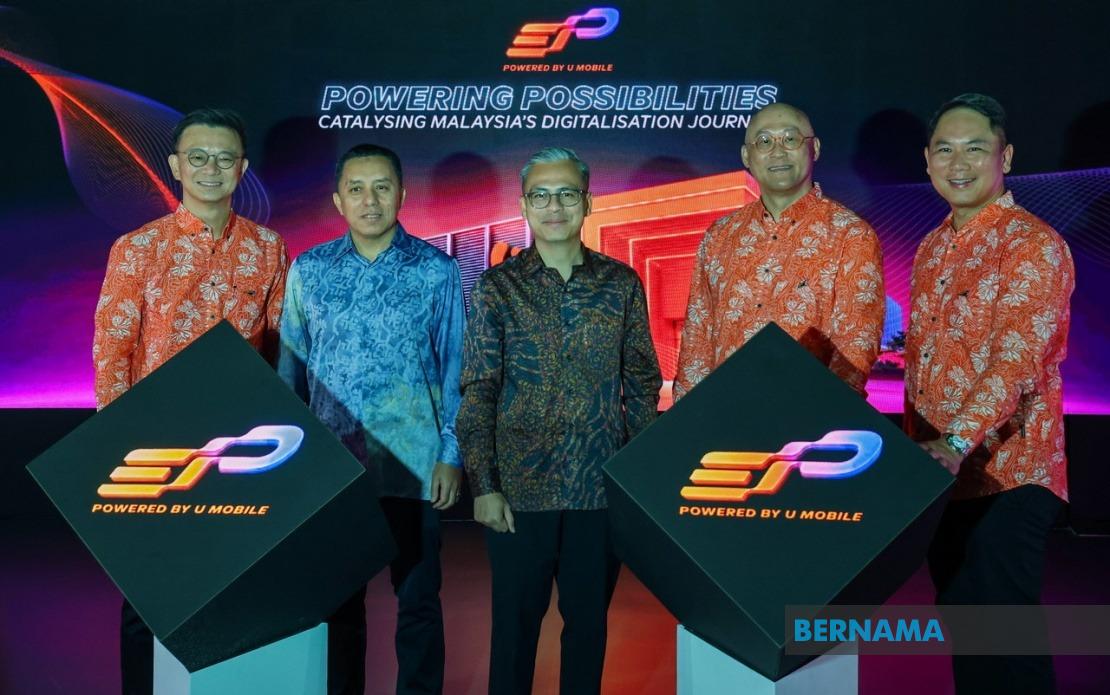
Malaysia stands at the threshold of a digital revolution as 5G Advanced technology, also known as Ultra 5G, emerges as a catalyst for sweeping changes across the nation's economy. Communications Minister Datuk Seri Fahmi Fadzil articulated this vision following the launch of the U Mobile Enterprise Innovation Platform Hub in Kuala Lumpur, underscoring the technology's capacity to fundamentally reshape how businesses operate and how government agencies deliver services to citizens.
The latest iteration of fifth-generation mobile networks harnesses the convergence of artificial intelligence and robotics to unlock unprecedented gains in productivity and operational efficiency. Unlike its predecessors, 5G Advanced operates on a 5G Standalone architecture, delivering enterprise-grade connectivity characterized by ultra-low latency, advanced network slicing capabilities, double the capacity of earlier versions, and AI-powered security features that set new industry benchmarks. These technical enhancements translate into tangible benefits for sectors that form the backbone of Malaysia's economy.
Within Malaysia's healthcare system, the applications are particularly compelling. Fahmi envisioned how Ultra 5G could alleviate the chronic staffing pressures faced by hospital wards, enabling nurses and medical professionals to dedicate more time to patient care rather than administrative tasks. The technology's real-time data transmission capabilities and reduced latency create possibilities for remote diagnostics, telemedicine consultations, and interconnected medical devices that communicate instantaneously. For a nation grappling with an aging population and rising healthcare demands, such efficiency gains could prove transformative in extending quality medical services to underserved communities across the peninsula and East Malaysia.
The agricultural sector, particularly Malaysia's globally significant palm oil industry, stands to benefit substantially from these technological advancements. By leveraging data analytics and autonomous systems powered by 5G networks, plantation operators can monitor vast tracts of land in real time, optimizing resource allocation, predicting crop yields with greater accuracy, and identifying pest infestations before they cause widespread damage. This precision agriculture approach addresses longstanding productivity challenges while reducing the physical demands on workers, thereby improving workplace safety and job satisfaction across Malaysia's agricultural landscape.
Retail businesses operating across Malaysia's increasingly competitive landscape can harness Ultra 5G's sophisticated data analytics to revolutionize inventory management. Real-time tracking of stock levels across multiple outlets enables retailers to minimize overstocking and stockouts simultaneously, reducing carrying costs while ensuring product availability that customers demand. The technology's capacity to identify emerging consumer trends through aggregated data analysis provides merchants with strategic advantages in purchasing decisions and merchandising strategies, ultimately enhancing their responsiveness to changing market preferences.
Beyond commercial applications, Fahmi identified critical national security dimensions inherent in this technology. Drone surveillance systems powered by robust 5G connectivity represent a substantial upgrade to Malaysia's border security capabilities. Several locations across the country have already begun pilot programs deploying 5G-enabled drones for monitoring purposes, particularly in remote border areas where terrain and distance pose traditional surveillance challenges. The technology enables real-time video transmission and autonomous flight operations that would be impossible with previous-generation networks.
The minister called upon relevant security agencies, including the Malaysian Border Control and Protection Agency and the Royal Malaysia Police, to comprehensively evaluate the feasibility and appropriateness of scaling 5G-powered drone surveillance systems. Such assessments must balance operational effectiveness against regulatory considerations, environmental factors, and budgetary constraints. This measured approach reflects an understanding that technological capability alone does not guarantee successful implementation; integration with existing operational frameworks and personnel training remain essential prerequisites.
Coordination among Malaysia's government agencies assumes particular importance in advancing this technological frontier. The Malaysian Communications and Multimedia Commission has positioned itself as a willing partner to collaborate with the Home Ministry and other relevant bodies to expand internet coverage in border regions. These efforts acknowledge that adequate infrastructure forms the foundation upon which security and economic applications depend. Without robust connectivity reaching remote areas, even the most sophisticated 5G technology cannot deliver its intended benefits.
The broader strategic context reveals Malaysia's determination to position itself competitively within Southeast Asia's digital economy. As regional competitors increasingly embrace advanced telecommunications infrastructure, Malaysia's adoption of 5G Advanced demonstrates commitment to remaining at the technological forefront. The convergence of government support, private sector innovation exemplified by U Mobile's platform initiative, and clear articulation of transformative potential creates momentum for broader ecosystem development.
However, realizing this potential demands sustained attention to several implementation challenges. Digital divide concerns require ensuring that benefits extend beyond major urban centers to smaller towns and rural communities. Cybersecurity frameworks must evolve alongside network capabilities to protect critical infrastructure and sensitive data transmitted across these ultra-fast systems. Workforce development initiatives should prepare Malaysians to operate and maintain these technologies effectively.
The announcement of 5G Advanced's potential reflects Malaysia's forward-looking approach to technological adoption. By identifying specific sectoral applications and mobilizing relevant stakeholders, policymakers create conditions for organic adoption driven by genuine business case advantages rather than technology-for-technology's-sake. Agricultural entrepreneurs, healthcare administrators, and retailers can begin evaluating how Ultra 5G addresses their specific operational challenges, accelerating a transition that benefits the broader economy. As Malaysia progresses toward comprehensive 5G Advanced deployment, the foundations laid through current policy articulation and infrastructure investment will determine whether this technological promise translates into sustained competitive advantage and improved living standards for all Malaysians.

