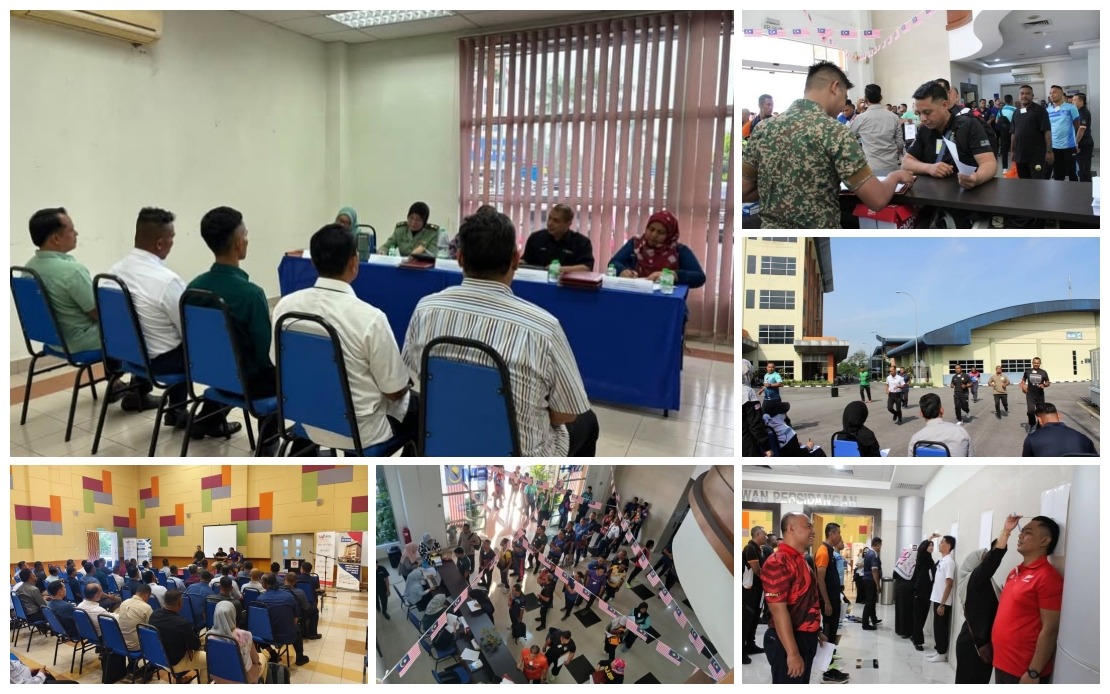
MARA has progressed with its recruitment of Full-Time External Wardens for its MARA Junior Science Colleges (MRSM) network, with 147 candidates drawn from former military backgrounds completing physical interview sessions held last Monday and Tuesday at the MARA Food Technology Incubator in Kepong. According to Datuk Dr Asyraf Wajdi Dusuki, the organisation's chairman, all participants had successfully cleared two prior rounds of online screening before advancing to this crucial stage of the selection process.
The competitive physical interview comprised three distinct assessment components designed to evaluate candidates comprehensively. Prospective wardens underwent Body Mass Index screening, participated in the Bleep Test to gauge cardiovascular fitness, and sat for one-on-one face-to-face interviews. This multi-faceted approach aims to ensure that only those meeting MARA's stringent standards for physical capability and professional suitability are appointed. The successful candidates are expected to commence their duties on July 1, marking a significant step in strengthening MRSM's residential management infrastructure across the country.
Datuk Dr Asyraf Wajdi emphasised that the warden role extends well beyond conventional disciplinary functions. These individuals are envisioned as integral members of the MRSM community, embodying what he described as second mothers and fathers to the students under their care. The position demands that wardens not only maintain order and ensure student safety but also actively promote MARA's educational philosophy, which seeks to develop well-rounded individuals equipped with both academic excellence and moral character. This broader interpretation of the warden's role reflects a shift towards more holistic residential college management.
The initiative carries significant implications for MRSM's overall institutional health and student welfare. Datuk Dr Asyraf Wajdi articulated hopes that appointing dedicated, qualified wardens will directly address persistent challenges within residential college environments, particularly bullying, disciplinary infractions, and other social concerns that detract from the educational experience. By recruiting ex-military personnel, MARA appears to be leveraging individuals with established backgrounds in leadership, discipline, and hierarchical structures—qualities presumed to translate effectively into the college setting. The expectation is that these wardens will foster an environment characterised by greater safety, improved social cohesion, and enhanced conditions for student development.
The scale of MARA's recruitment drive underscores the significance the organisation places on this initiative. Beyond the 147 male candidates already assessed, MARA is proceeding with recruitment of female warden candidates, with 162 former military women scheduled to undergo their own physical interview sessions in the following week. This parallel track suggests that MARA recognises the importance of gender representation among wardens, potentially allowing students to develop relationships with both male and female residential leaders. The staggered interview schedule accommodates logistical requirements while maintaining the rigour of the selection process.
For Malaysian readers, this development touches on broader questions about residential education quality and student safeguarding. MRSM institutions serve as feeder colleges for high-achieving students, many away from home for the first time. The quality of residential management directly influences students' academic performance, mental health, and social development during formative years. By prioritising experienced, vetted candidates through a structured selection process, MARA is signalling commitment to raising standards in this critical support function. The involvement of ex-military personnel may also represent an intentional strategy to bring disciplined, structured approaches to residential life management.
The emphasis on candidates being screened through an online phase before physical assessment suggests MARA has implemented a streamlined, efficiency-driven recruitment methodology. This two-tier approach allows the organisation to manage large candidate pools effectively, reserving expensive and time-intensive physical assessments for those who have demonstrated basic qualifications and interest through preliminary screening. For candidates, it creates a clear progression pathway, reducing wasted effort and improving the overall experience of the selection process.
From a regional perspective, Malaysia's approach to residential college management through structured professional recruitment merits attention. As other Southeast Asian nations grapple with similar challenges in secondary and tertiary residential settings, the outcomes of MARA's warden programme could provide valuable lessons. The explicit intention to reduce bullying and social misconduct through better-trained residential staff addresses concerns that transcend Malaysian borders. Singapore, Thailand, and Indonesia all operate residential college systems that might benefit from observing how Malaysia addresses these persistent institutional challenges.
The phased implementation of new wardens beginning July 1 will likely generate feedback over subsequent months. Early performance indicators—student satisfaction surveys, disciplinary incident rates, and academic outcome correlations—will provide data to assess whether the recruitment strategy delivers anticipated benefits. MARA's willingness to invest in this staffing initiative reflects confidence that warden quality significantly impacts college environment and student outcomes, an assumption that institutional research may validate or complicate as the programme matures.
Looking ahead, the success of this initiative depends partly on factors beyond recruitment quality. Warden compensation, professional development opportunities, career progression pathways, and institutional support systems will all influence whether MARA attracts and retains high-calibre candidates. The commitment demonstrated through comprehensive selection procedures must extend to ongoing investment in warden welfare and development. For students, the arrival of this new cohort represents an opportunity for improved residential experiences, provided that MARA complements recruitment with robust training and institutional structures that enable wardens to fulfil their expanded role as educators and guides.