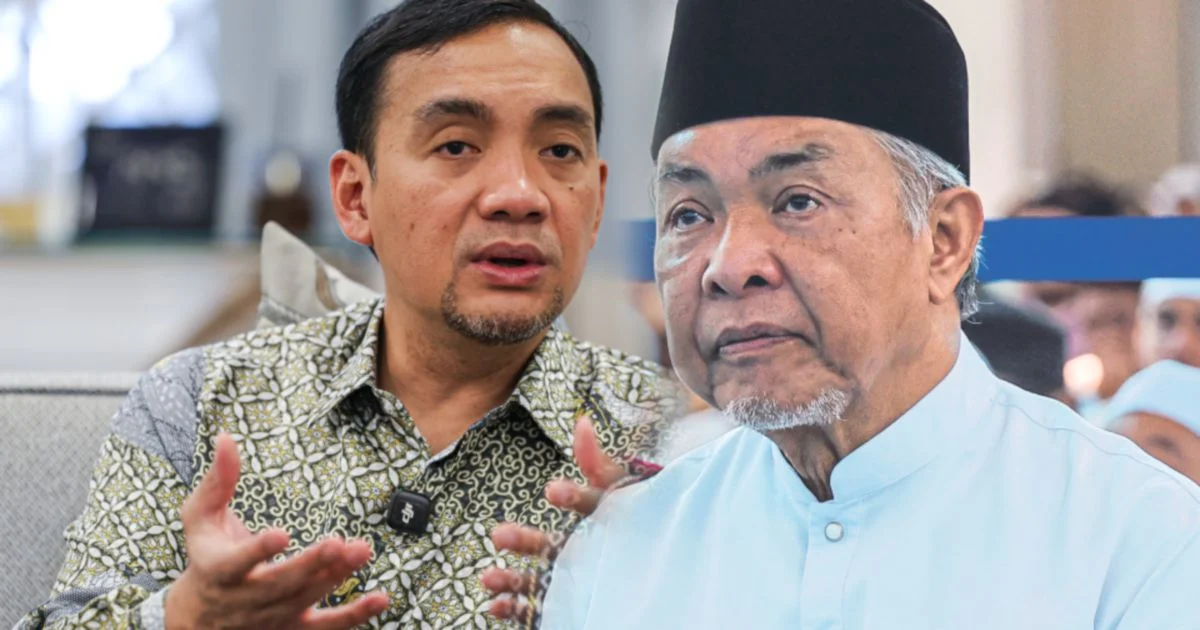
Deputy Prime Minister Datuk Seri Zahid Hamidah has firmly refuted claims that caretaker Johor Menteri Besar Datuk Onn Hafiz Ghazi has been prevented from visiting Federal Land Development Authority settlements, stating unequivocally that no formal instruction barring him from these areas has been issued.
The denial comes amid apparent tensions within Johor's political landscape as the state prepares for elections, with questions arising about the movement and activities of senior figures during the campaign period. Zahid's statement represents an attempt to quell rumours that could complicate the political calculations of Umno and its coalition partners in a state historically significant to the party's power base.
Felda settlements constitute a crucial constituency for any political party campaigning in Johor. Established decades ago to settle landless peasants and develop agricultural land, these communities have evolved into significant voting blocs that no politician seeking office can afford to ignore. The settlers themselves represent a demographic closely watched during election cycles, given their past voting patterns and susceptibility to policy promises regarding land rights, subsidies, and agricultural support.
The timing of these clarifications is particularly noteworthy given Johor's status as a state where control directly influences national political dynamics. Umno's performance in the state has traditionally determined the broader coalition's electoral fortunes, making leadership unity and message consistency essential during the critical pre-election phase. Any appearance of internal conflict or arbitrary restrictions on senior figures could signal weakness to both supporters and opponents.
Onn Hafiz's role as caretaker menteri besar during the election period places him in a unique position of authority tempered by limitations characteristic of caretaker administrations. Such roles typically involve running day-to-day government functions while remaining somewhat politically constrained, though the exact parameters of these constraints often remain ambiguous and subject to interpretation by various stakeholders.
Zahid's intervention in clarifying this matter reflects broader concerns about maintaining party cohesion and preventing the spread of damaging narratives that could undermine campaign efforts. In Malaysian politics, unsubstantiated claims about internal conflicts or restrictions on key figures can rapidly gain traction through social media and informal networks, potentially affecting public perception and voter confidence.
The Felda settlements themselves have experienced shifting political allegiances in recent electoral cycles, with residents increasingly willing to support alternative parties if they perceive their interests are being neglected or mishandled by the incumbent administration. This fluidity makes access to these communities during campaign season absolutely critical for any serious contender seeking to form government.
Malaysian electoral politics frequently witnesses the emergence of rumours during caretaker periods, partly because the restriction of normal government activities and the suspension of certain administrative functions create informational vacuums that speculation naturally fills. Political opponents sometimes exploit these gaps to sow discord within competing coalitions, making it essential for leaders to promptly address potentially divisive claims.
The structure of Felda settlements, which have their own governing bodies and community leadership networks distinct from regular municipal structures, means that any impediments to access would require coordination across multiple institutional layers. This complexity suggests that any blanket prohibition would be difficult to implement without becoming widely known within these communities, lending credence to denials from senior party figures.
For regional observers watching Malaysian politics, such controversies reflect the intricate management required to maintain unity within governing coalitions, particularly when state-level dynamics intersect with national political calculations. The relationships between federal leadership and state-level caretaker officials during election periods involve careful navigation of hierarchies, protocol, and political courtesy.
Looking forward, the resolution of such tensions through public statements and clarifications will likely influence the tone and effectiveness of Umno's broader campaign in Johor. Clear communication about the roles and freedoms of key figures helps mobilise party machinery and prevent the leakage of supporters to opposition parties capitalising on perceived internal discord.
The episode also highlights how election commissions and administrative frameworks governing caretaker periods attempt to balance the need for impartial governance with the political realities of transitional phases. These frameworks necessarily create grey areas about what activities are permissible, often leaving room for different interpretations by various actors.