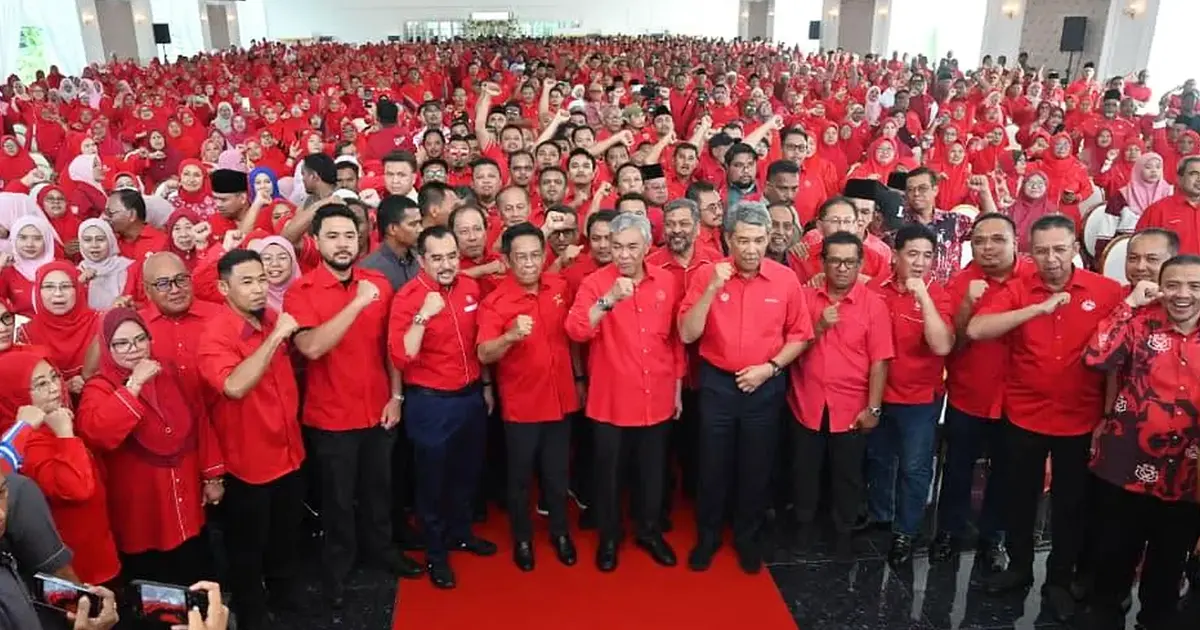
Barisan Nasional's top leadership has entrusted the Negeri Sembilan state branch with the critical responsibility of steering both candidate nomination and seat-sharing negotiations with coalition partners, according to party chairman Ahmad Zahid Hamidi. The decision reflects BN's decentralized strategy for managing the upcoming state polls, placing considerable autonomy in the hands of Negeri Sembilan BN chief Tok Mat, who will oversee the pivotal processes that could determine the coalition's electoral fortunes in the state.
Zahid's move to delegate these functions represents a pragmatic division of labour within the party hierarchy, allowing the federal leadership to focus on broader national strategy while empowering state-level officials to navigate the intricate local dynamics unique to Negeri Sembilan. This approach acknowledges that electoral success in Malaysia's states often hinges on nuanced understanding of regional political landscapes, community concerns, and existing ground relationships—factors best assessed by those immersed in state politics.
The handover of seat negotiations underscores the delicate balance required in managing BN's multiracial coalition structure. With component parties including UMNO, MCA, MIC, and smaller allies, every state election demands careful calibration to ensure equitable seat distribution that maintains party unity while maximizing competitive advantage. Tok Mat's appointment suggests confidence in his ability to mediate between sometimes competing interests within the coalition while preserving its cohesion ahead of polling day.
Negeri Sembilan holds particular strategic importance for BN's peninsular dominance. The state's mixed demographic composition—encompassing urban, semi-urban, and rural constituencies—requires sophisticated campaign messaging that resonates across diverse voter segments. The state's political history shows tight contests, making candidate quality and coalition harmony especially crucial for securing or retaining seats. By entrusting Tok Mat with these responsibilities, BN leadership signals that the state election warrants hands-on engagement from officials with deep local roots and credibility.
Candidate selection in Malaysian politics extends beyond identifying individuals with party credentials; it demands assessing electability in specific constituencies, managing factional interests within state party structures, and occasionally navigating tensions between centralized party directives and grassroots expectations. Tok Mat's position grants him the authority to balance these competing considerations, drawing on his experience navigating Negeri Sembilan's political terrain. This localized discretion can prove decisive in fielding competitive candidates capable of retaining marginal seats or capturing opposition-held areas.
The coalition seat-sharing dimension carries equal weight. In Negeri Sembilan, as across Malaysia, BN's component parties negotiate intensely over which constituencies each will contest, seeking seats aligned with their voter bases and organizational strengths. MCA traditionally contests seats with significant Chinese communities, while MIC focuses on Indian-majority areas, leaving UMNO with the bulk of Malay-majority constituencies. These discussions require sensitivity to historical performance data, demographic trends, and the grievances of party wings whose members may feel allocated inadequate or unwinnable seats.
Zahid's willingness to step back from direct involvement in these negotiations may also reflect broader party management considerations. By publicly attributing decision-making authority to Tok Mat, the BN chairman creates clear accountability for electoral outcomes while reducing the perception of heavy-handed federal interference in state affairs. This framing can enhance the state campaign's grassroots appeal, presenting the upcoming election as driven by local leadership committed to Negeri Sembilan's specific interests rather than as an exercise in executing distant party headquarters directives.
For opposition forces monitoring BN's preparations, the delegation to Tok Mat signals that the coalition takes the Negeri Sembilan challenge seriously. Rather than leaving state-level decisions to rotating committees or consensus-based processes that can dilute accountability, BN has vested singular authority in an experienced state leader. This concentration of responsibility typically translates to more efficient decision-making and clearer strategic direction, potentially complicating opposition efforts to exploit signs of coalition internal discord.
The timing of this arrangement also reflects BN's broader adaptive governance model. Malaysian state elections increasingly demand tailored approaches sensitive to local issues—from water management in Selangor to infrastructure development in Johor. By devolving candidate and seat negotiations to the state level, Zahid's BN demonstrates flexibility in campaign organization, allowing Tok Mat to prioritize issues and candidate profiles resonating with Negeri Sembilan voters while remaining aligned with coalition-wide policy frameworks.
Looking ahead, the success of this decentralized approach will likely depend on Tok Mat's effectiveness in building consensus among component parties and managing intra-UMNO dynamics. Negeri Sembilan UMNO's internal factions may harbour competing ambitions for party nominations, requiring Tok Mat to exercise political judgment that satisfies multiple interest groups while fielding the strongest possible slate. His decisions will set the tone for the state campaign's character and competitiveness, making the coming months critical for BN's electoral positioning in this strategically significant peninsular state.

