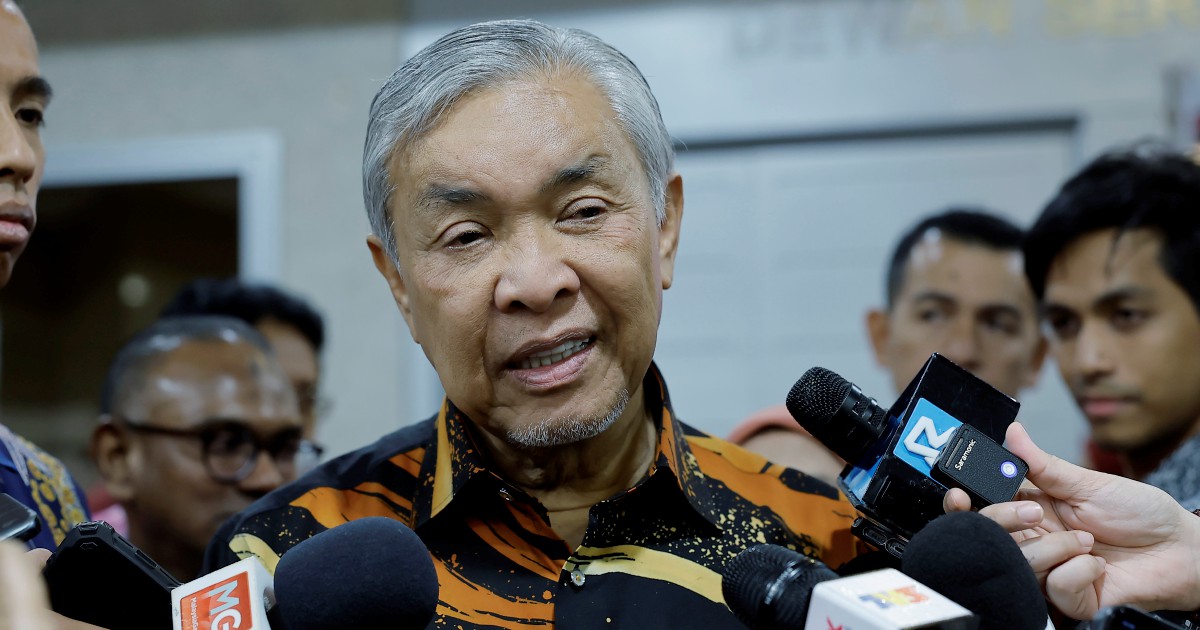
Barisan Nasional chairman Datuk Seri Dr Ahmad Zahid Hamidi has moved to quash mounting controversy surrounding the selection of Negri Sembilan's Menteri Besar, asserting that those raising objections lack a proper grasp of how Malaysia's political system actually functions. Speaking from Putrajaya, Zahid rejected allegations that outside actors wielded undue influence over the appointment process, framing such suggestions as ill-informed commentary from individuals detached from political practicality.
The defence comes amid ongoing scrutiny of the appointment decision within political circles and among observers tracking developments in one of Malaysia's key states. The selection process has drawn attention partly because of the broader context of coalition politics in Malaysia, where state-level leadership positions often carry significance beyond their immediate jurisdiction. Zahid's pushback indicates that BN intends to maintain a unified position on the matter, treating questions about the process as fundamentally misguided rather than substantive concerns warranting detailed public response.
Understanding the dynamics at play requires examining how menteri besar appointments operate within Malaysia's constitutional framework. Unlike federal positions where procedural clarity is more established, state leadership selection often involves intricate negotiations between coalition partners, between state and federal wings of parties, and occasionally between parties themselves when coalitions are involved. These appointments are not elected directly by the public but rather determined through legislative assembly votes, creating space for various political actors to exercise influence.
Zahid's characterization of critics as lacking political understanding suggests that BN leadership views the appointment as entirely consistent with standard practice. His dismissal also hints at frustration within BN circles regarding what they perceive as unrealistic expectations about transparency in selection processes. In Malaysian politics, such processes typically unfold through private negotiations rather than public deliberation, and Zahid appears to be signalling that this conventional approach was followed without deviation.
The timing of Zahid's remarks is significant given his broader political position. As BN chairman, Zahid carries responsibility for the coalition's cohesion and public narrative, particularly concerning leadership selections that could affect party unity or public perception. His intervention suggests that concerns about the appointment were sufficiently vocal to warrant direct response from the top leadership, indicating that the controversy had gained traction beyond initial political circles.
For Malaysian observers and regional analysts, the appointment dispute reflects underlying tensions within BN itself. The coalition has worked to rebuild its political standing after the 2018 electoral setback, and leadership appointments at state level remain symbols of the coalition's organizational health and decision-making legitimacy. Zahid's defensive posture may reflect sensitivity to any suggestion that BN's internal processes are compromised or subject to forces it cannot control.
The reference to those "not understanding political realities" carries implicit messaging beyond the immediate dispute. It positions BN as pragmatists operating within established political conventions, while implicitly categorizing critics as naive or idealistic about how state selection processes function. This rhetorical strategy is commonly employed when political actors believe that detailed justification would concede legitimacy to the original questions being raised.
Negri Sembilan's political significance within the broader Malaysian context adds weight to the controversy. As a relatively compact state with a royal element through its Yang di-Pertuan Besar institution, appointments to the menteri besar position carry constitutional and ceremonial dimensions alongside practical governance considerations. The state's location in the central region and its economic ties to the Klang Valley make it strategically important to BN's overall electoral positioning.
Zahid's statement also reflects a broader pattern in Malaysian politics where coalition leadership tends to present a united front when facing criticism about internal processes. This approach stems from the understanding that public divisions over selection procedures could undermine the coalition's electoral appeal by suggesting internal instability or contested legitimacy. By dismissing rather than engaging with specific allegations, Zahid maintains party discipline while signalling that further public debate on the matter is unwelcome.
The appointment process itself, regardless of external interference allegations, demonstrates how Malaysia's political system concentrates significant power within party and coalition leadership structures. Individual assemblymen exercise voting rights in the selection, but broader coalition strategy and party discipline typically determine outcomes. This hierarchical reality means that charges of external interference often prove difficult to substantiate, as interference and normal political process become conceptually blurred.
For those tracking political developments in Negri Sembilan and within BN more broadly, Zahid's comments suggest that the coalition intends to move past the controversy without providing detailed public accounting of the appointment decision. This stance reflects confidence that media attention will eventually shift to other issues, combined with an assessment that additional explanation might only prolong discussion of a matter BN prefers to consider closed. The firmness of Zahid's dismissal indicates that BN leadership does not anticipate sustained pressure on the issue from within its own coalition structure.

