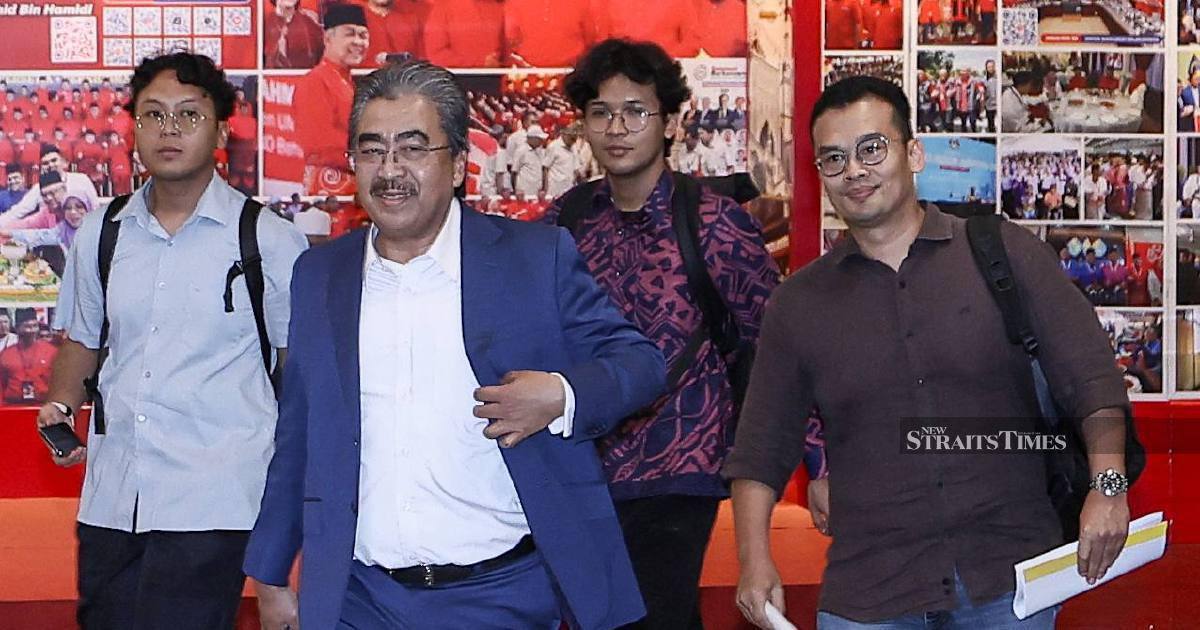
Deputy Prime Minister Ahmad Zahid Hamidi brought together the top echelon of Barisan Nasional at Umno's Kuala Lumpur headquarters for a restricted briefing on the Royal Commission of Inquiry report into Lembaga Tabung Haji, signalling the high stakes surrounding the pilgrimage fund's governance crisis and the need for political consensus on the way forward.
The attendance of Perikatan Nasional leaders at the session underscores the broader political sensitivity of the Tabung Haji inquiry findings, which touch on issues of institutional mismanagement, investment decisions, and accountability that transcend normal partisan divisions. The convergence of rival ruling coalition factions in a single room for this briefing suggests that key stakeholders from across the political spectrum recognise the necessity of presenting a unified front on what has become one of the most damaging institutional scandals of recent years.
Tabung Haji has faced mounting scrutiny following revelations of massive losses, questionable investments, and governance lapses that eroded the savings of hundreds of thousands of Malaysian Muslims preparing for the hajj pilgrimage. The fund, established as a trusted vehicle for Malaysians to accumulate savings specifically for Islamic pilgrimage, instead became mired in financial turmoil that sparked public anger and demands for accountability from those responsible for overseeing its operations. The RCI's investigation into these failures carries immense weight given its formal status as an independent inquiry into institutional malfeasance.
The decision to hold this briefing now, following the declassification of the report, indicates that the government is moving into an active phase of processing and responding to the commission's findings and recommendations. Such closed-door sessions among senior political leadership typically precede public announcements, legislative action, or institutional reforms. The restricted nature of the briefing allows space for frank discussion of sensitive matters before the government shapes its official response for public consumption.
For Malaysian pilgrims and their families, the implications are significant. Thousands of individuals have legitimate claims tied up with Tabung Haji, and the inquiry's conclusions about what went wrong—and who bears responsibility—will likely inform decisions about compensation, refunds, and future management structures. The participation of multiple political parties suggests that whatever policy responses emerge may enjoy broader legislative backing, critical for implementing potentially sweeping reforms to the fund's administration and oversight mechanisms.
The inclusion of Perikatan Nasional in these discussions reflects Malaysia's current political configuration, where the government relies on support from multiple coalitions to maintain its parliamentary majority. On an issue as sensitive as Tabung Haji, which affects millions of Malaysians and carries religious and cultural dimensions, building consensus across coalition partners helps insulate policy decisions from partisan attack and ensures smoother implementation of whatever remedial measures the government proposes.
The Tabung Haji scandal has raised uncomfortable questions about institutional governance across Malaysia's public and semi-public bodies. As Southeast Asia's largest Muslim-majority nation, Malaysia's flagship pilgrimage savings scheme had become a model referenced in other Muslim-majority countries. Its collapse therefore carries implications beyond national borders, potentially affecting Malaysia's reputation for institutional competence and trustworthiness in managing religious-purpose endowments and savings vehicles.
The RCI's investigation presumably examined decision-making processes, investment strategies, internal controls, and the role of various officials in allowing losses to accumulate unchecked. The report's findings—whether it identifies systemic failures, individual misconduct, or both—will likely trigger calls for disciplinary action, legal proceedings, or structural reorganisation. Political leaders attending this briefing need to understand the full scope of these findings before the public does, allowing them to prepare responses and manage political fallout.
Investor confidence in Malaysian financial institutions has taken hits throughout recent years, and the Tabung Haji debacle represents a particularly acute blow to public trust given the fund's status as a government-backed entity serving a vulnerable savings population. How the government responds to the RCI's findings will send powerful signals about its commitment to institutional reform and accountability. The participation of both ruling coalition partners signals intent to treat this as a matter of national importance rather than a narrow political opportunity.
For Southeast Asian observers, Malaysia's handling of this inquiry and its aftermath carries broader lessons about governance standards in the region. Strong institutional responses to corporate or governmental failure tend to strengthen long-term confidence in a nation's business environment, while weak or partisan responses typically invite further erosion of trust. The closed-door nature of this briefing is temporary; the real test comes when findings become public and the government announces its reforms and enforcement actions.

