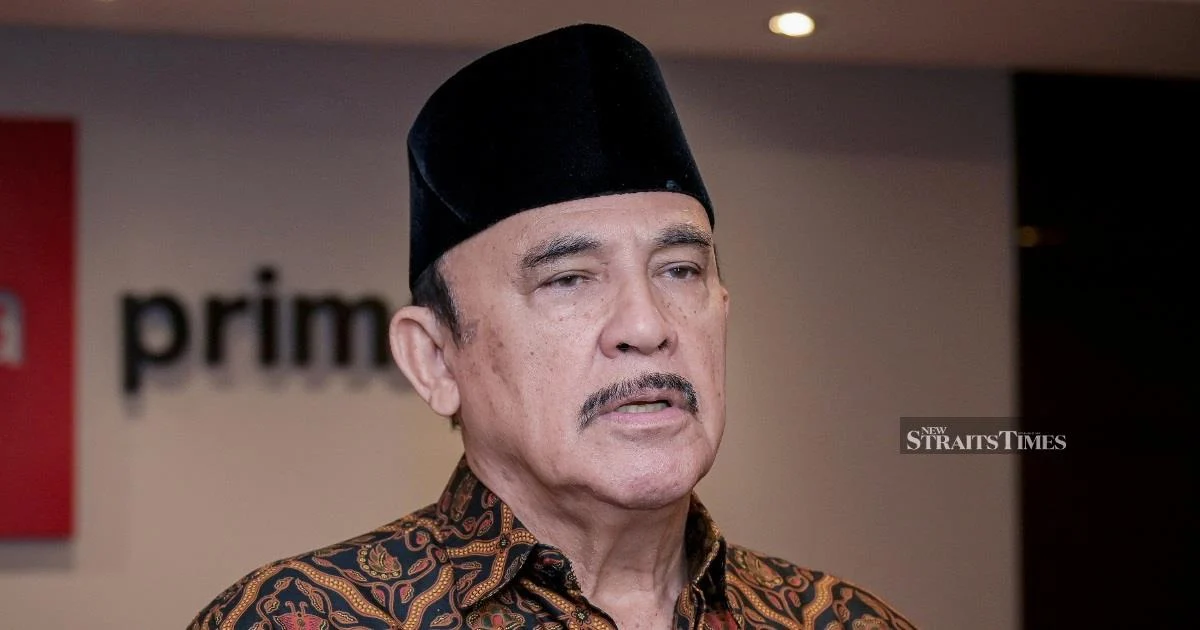
Veteran entertainment producer Datuk Yusof Haslam has distanced himself from the mounting legal complications facing actress Tisha Shamsir, signalling that judicial processes should take their course without external interference. The celebrated filmmaker, whose four-decade career has shaped Malaysian cinema, has chosen restraint as his colleague navigates the fallout from her recent detainment and subsequent court proceedings, marking a notably measured response to an industry controversy that has captured public attention.
Shamsir's difficulties began when authorities apprehended her at an entertainment venue in Kuala Lumpur following a positive result on a drug test. The incident prompted formal legal action, placing the actress before the courts and subjecting her to the formal mechanisms of the Malaysian criminal justice system. The arrest and subsequent judicial involvement have thrust both Shamsir and her professional associations into the spotlight, prompting responses from various industry figures grappling with how best to address the situation.
Haslam's position reflects a philosophical stance that transcends the immediate circumstances of Shamsir's case. By emphasising that "everyone makes mistakes," the legendary producer articulates a perspective rooted in human compassion while simultaneously acknowledging the integrity of legal institutions. This framing positions accountability and consequence not as punitive measures requiring outside pressure, but as inherent elements of personal responsibility and societal order. For an industry sometimes criticised for nepotism and preferential treatment, such positioning carries symbolic weight.
The relationship between major industry figures and those facing legal jeopardy remains a sensitive matter in Malaysian popular culture. Historical precedent has shown that public interventions or appeals from influential personalities occasionally sway public perception or create expectations of preferential outcomes. Haslam's deliberate choice to refrain from such advocacy suggests a commitment to letting established legal frameworks operate without the complication of celebrity influence. This approach carries implications for how the entertainment sector projects itself as accountable to broader societal standards.
Tisha Shamsir's career trajectory and public profile have positioned her as a recognisable figure within Malaysia's film and television landscape. The current judicial proceedings represent a significant inflection point in her professional trajectory, with outcomes that may carry consequences extending beyond legal determinations. Her case has become a focal point for broader conversations about substance abuse, accountability within entertainment circles, and the capacity for individuals to rehabilitate their public standing following transgression.
The entertainment sector in Malaysia operates within a cultural context that values both celebrity and propriety. When prominent figures encounter legal difficulties, particularly those involving drug-related charges, the incidents often generate sustained public interest and media coverage. Such cases frequently prompt reflection about the pressures inherent to performance careers, the psychological toll of maintaining public personas, and the vulnerability of individuals operating within demanding professional environments. Shamsir's situation invites consideration of these interconnected factors.
Haslam's career achievements position him as an elder statesman capable of wielding considerable influence within industry circles. His decision to invoke compassion rather than judgment, whilst simultaneously respecting judicial processes, establishes a template for how established professionals might respond to colleagues' difficulties. This measured approach contrasts with more interventionist stances, suggesting that genuine support for troubled individuals need not entail attempting to circumvent or influence legal outcomes.
The broader entertainment industry in Malaysia frequently grapples with questions about institutional responsibility and peer accountability. When figures of Haslam's stature choose discretion and deference to legal processes over public advocacy, they implicitly reinforce the principle that no individual, regardless of professional status or industry prominence, operates outside formal legal structures. This positioning carries particular significance in a context where celebrity can sometimes blur the boundaries between public admiration and exemption from consequence.
Shamsir's court proceedings will unfold according to established legal protocols and evidentiary standards. The outcomes of those proceedings will likely carry implications not only for her personal circumstances but also for broader conversations within Malaysian entertainment about substance abuse, rehabilitation possibilities, and the capacity for professional restoration following transgression. Public responses from industry figures like Haslam will contribute to the cultural narrative surrounding her case and its implications.
Haslam's expressed prayer for "the best" for Shamsir, coupled with his acknowledgment of universal human fallibility, reflects a mature perspective on adversity and consequence. This stance recognises that individuals may falter without ceasing to merit compassion, whilst simultaneously affirming that mistakes carry weight and that accountability matters. His approach suggests that supporting troubled colleagues need not involve defending their actions, but rather allowing them to navigate consequences with dignity whilst remaining open to eventual redemption and professional rehabilitation.

