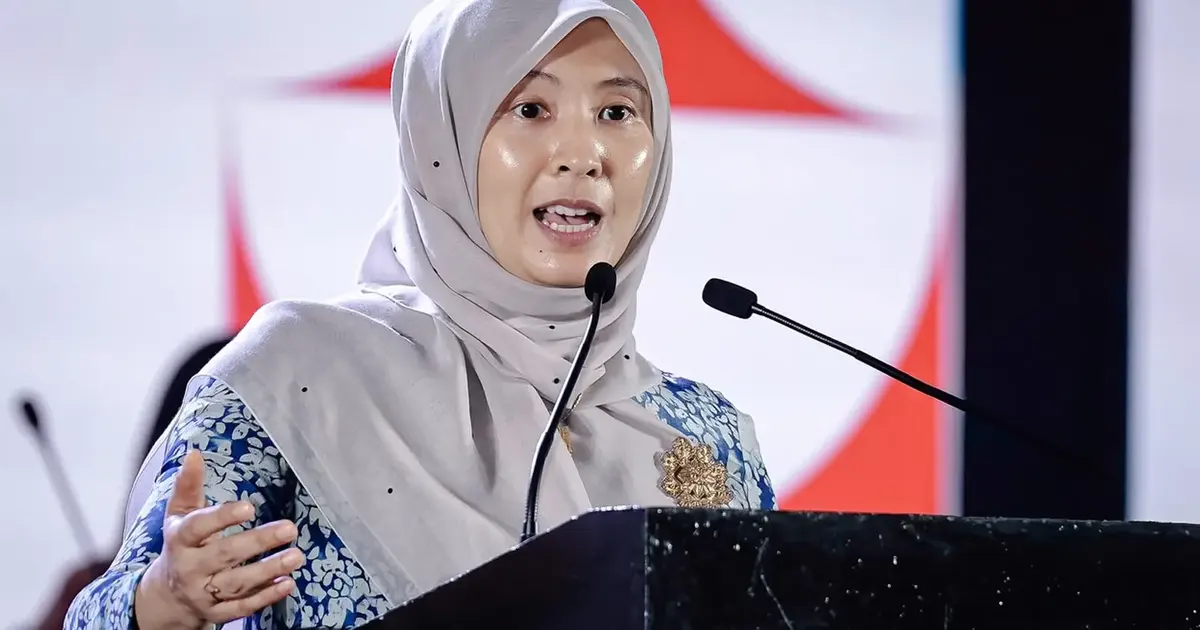
Nurul Izzah Anwar has adopted a philosophical stance toward the mounting criticism she faces across multiple fronts, asserting that satisfying all stakeholders in politics remains an impossible task. The PKR deputy president's measured response comes amid persistent scrutiny of her political trajectory, from her unsuccessful parliamentary bid during the 2023 general election through to questions about her commitment to her party leadership position.
The daughter of Prime Minister Anwar Ibrahim has become an increasingly prominent but polarising figure within Pakatan Harapan and the People's Justice Party itself. Her electoral setback in the 15th general election proved particularly significant given her political pedigree and the heightened expectations surrounding her candidacy. The defeat generated considerable discussion within opposition circles and among observers tracking the evolution of Malaysia's second-generation political leadership.
Nurul Izzah's elevation to the deputy presidency represented a pivotal moment for PKR's institutional development, yet the decision immediately provoked internal debate about merit, dynastic influence, and generational succession within the party. Critics questioned whether the appointment adequately reflected her experience and demonstrated performance record, whilst supporters emphasised her policy expertise and potential to energise younger party members. The controversy underscored deeper questions about how Malaysian political parties balance family legacies with meritocratic principles in their organisational structures.
Her subsequent leave of absence from the deputy president role introduced another layer of complexity to the narrative, prompting further interrogation from both party rivals and observers within her own coalition. The departure raised practical questions about continuity in PKR's leadership structure and strategic direction during a pivotal period for the ruling coalition. Commentators speculated about whether the break reflected personal circumstances, strategic repositioning, or broader tensions within the party's upper echelon regarding governance and direction.
Nurul Izzah's decision to dismiss the criticism rather than engage substantively with each complaint demonstrates a particular approach to political resilience. Rather than offering detailed rebuttals or attempting to address every concern raised by diverse constituencies, she has chosen to acknowledge the inevitable reality that political leadership generates dissent. This stance aligns with a broader maturation in her public communication strategy, moving away from attempting to satisfy every critic toward accepting that political progress requires accepting a degree of opposition.
Her response carries implications for Malaysian political culture more broadly. The treatment of second-generation political figures, particularly those who inherit significant familial political capital, remains contested terrain in a nation still navigating questions about meritocracy and institutional integrity. Nurul Izzah's handling of criticism may influence how other young politicians from prominent families approach similar challenges and scrutiny in coming years.
Within PKR specifically, her philosophical acceptance of inevitable criticism may signal an attempt to move beyond the recent controversies and refocus party attention on substantive policy challenges and electoral strategy. The party faces significant internal divisions and external pressures as it navigates its role within the Madani government whilst preparing for future electoral contests. How Nurul Izzah's leadership role evolves will carry consequences for PKR's internal dynamics and public perception.
The broader context involves generational transition within Malaysian political leadership. As older figures gradually step back from frontline politics, the performance and perception of younger leaders becomes increasingly consequential for national political trajectory. Nurul Izzah's emergence as a significant actor within this transition means her political choices carry weight beyond her individual career progression.
Regionally, Malaysia's evolving political landscape continues drawing attention from observers across Southeast Asia tracking democratic development and institutional maturation. The manner in which Malaysian political parties manage succession planning, integrate younger leaders, and balance traditional authority structures with contemporary democratic expectations offers lessons relevant to neighbouring democracies facing similar generational transitions and institutional evolution challenges.

