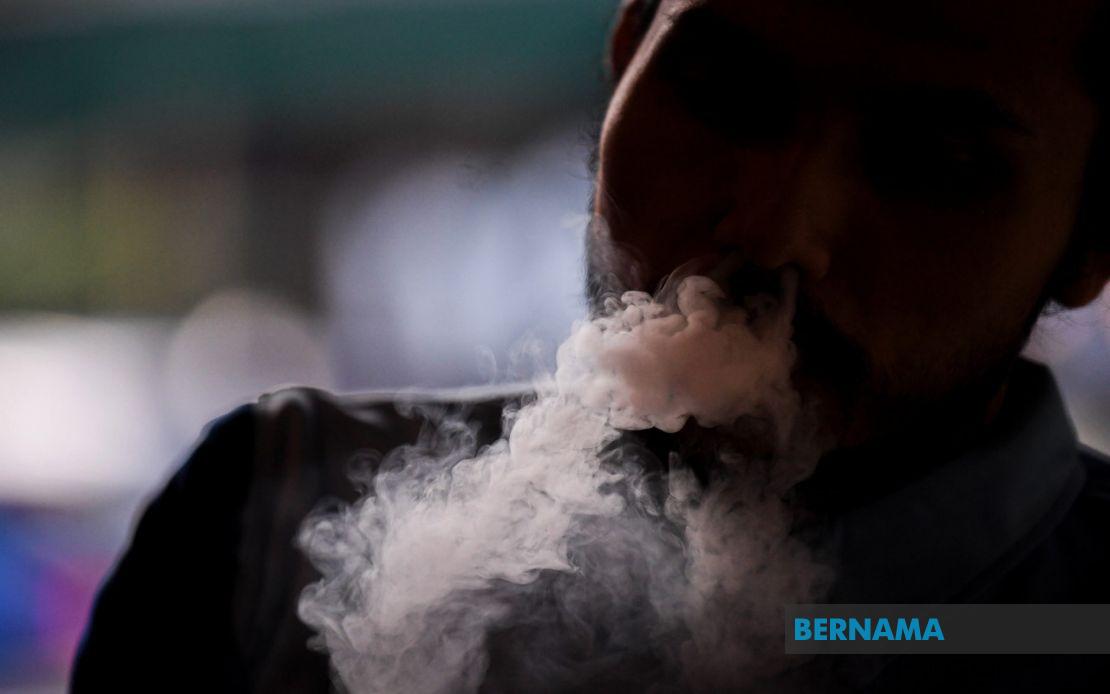
The World Youth Foundation has escalated its push for a comprehensive national ban on vaping products, arguing that the devices have become a gateway vehicle for distributing illicit substances to Malaysia's young population. Speaking after a major forum in Melaka examining synthetic drug dangers, WYF chairman Datuk Mohd Ridhwan Mohd Ali outlined how electronic cigarette devices are being systematically misused to conceal and distribute prohibited substances including marijuana, methamphetamine, and newer synthetic drugs—a trend he characterized as posing an acute risk to school-age children increasingly exposed to vaping culture among their peers.
The foundation's position, endorsed at the Forum Bahaya Dadah Sintetik dan Ancaman Bahan Psikoaktif Baharu held in Melaka and attended by Yang Dipertua Negeri Melaka Tun Mohd Ali Rustam, represents a hardening stance on the vaping debate in Malaysia. Rather than focusing solely on the nicotine addiction aspects that have dominated global discussion around e-cigarettes, WYF is framing the issue through a drug trafficking lens—emphasizing how vape devices serve as an effective concealment and delivery mechanism for controlled substances. This reframing may prove more persuasive to policymakers concerned with organized crime and youth protection than public health arguments alone.
WYF has committed to presenting its vape ban resolution to state governments, federal authorities, and the Ministry of Health. The organization's advocacy arrives at a moment when momentum for such restrictions is already building across Malaysia's states. Seven jurisdictions—Johor, Kelantan, Terengganu, Perlis, Kedah, Pahang and Perak—have already enacted vape sales prohibitions, creating a patchwork regulatory landscape that WYF hopes will expand to encompass Melaka and remaining states. The foundation's appeal essentially asks Melaka to join an emerging consensus within Malaysia's federal structure, positioning the state as either progressive on drug prevention or lagging behind peer states on a critical youth protection issue.
The international dimension of WYF's argument carries significant weight. More than 30 countries have already moved to restrict or ban vape sales entirely, with crucial neighbouring jurisdictions—Indonesia, Singapore, Thailand, and Brunei—having already implemented prohibitions. Malaysia's status as an outlier within Southeast Asia on this issue creates diplomatic and reputational considerations for federal policymakers. The regional consensus suggests that a national ban would align Malaysia with international best practice rather than position it as unusual or restrictive.
Beyond the vape question itself, WYF identified several complementary strategies to address what it termed the synthetic drug and new psychoactive substance threat. Enhanced educational prevention emerged as a priority, with the foundation advocating for mandatory, evidence-based curricula on drug dangers integrated throughout Malaysia's educational institutions. Critically, WYF specified that such education should incorporate real-life case studies and direct experience narratives alongside scientific information—a pedagogical approach likely more effective at changing youth behaviour than classroom lectures alone. The foundation also called for intensified public awareness campaigns targeting both smoking and vaping, recognizing that these behaviours often serve as entry points toward more serious substance misuse.
The digital dimension of drug trafficking has become impossible to ignore, and WYF's resolutions reflected this reality. The foundation emphasized the urgent need to leverage artificial intelligence and data analytics to identify patterns in online drug distribution, including the coded language and symbolic communication that syndicates use to obscure their transactions from enforcement detection. This technological approach acknowledges that Malaysian authorities are substantially behind criminal organizations in their capacity to analyze digital information flows, and that closing this gap requires investment in sophisticated monitoring capabilities.
WYF also highlighted the critical role of social media and e-commerce platforms in enabling drug sales. The organization urged closer partnerships with technology companies to enable detection, blocking, and removal of drug promotion content. This resonates with growing global pressure on Meta, TikTok, and other platforms to take responsibility for content facilitating illegal activity. For Malaysia, where social media penetration rates exceed 85 percent, the platforms' compliance (or lack thereof) directly impacts the effectiveness of any national drug strategy.
The foundation's call for enhanced monitoring of synthetic drug distribution through e-commerce, social media, and the dark web reflects the reality that supply chains for controlled substances have fundamentally changed. Traditional law enforcement approaches focused on border interdiction and street-level arrests increasingly miss the digital dimension of drug trafficking. WYF is essentially arguing that Malaysia's anti-drug apparatus must evolve from a model premised on physical surveillance and manual investigation toward one leveraging automated detection systems and algorithmic pattern recognition.
Coordination among enforcement agencies within Malaysia represents another structural weakness WYF identified. Drug trafficking operations often succeed because they exploit gaps between different authorities' jurisdictions and intelligence systems. The foundation is calling for intensified inter-agency cooperation and integrated enforcement action targeting the entire ecosystem of drug distribution and consumption, rather than isolated operations against individual traffickers or users. This systems-level approach requires institutional reform that goes beyond legislative changes.
The international cooperation dimension of WYF's resolutions underscores the transnational nature of synthetic drug trafficking. The foundation emphasized the importance of strengthening Malaysia's engagement with ASEAN counterparts and the United Nations Office on Drugs and Crime, recognizing that drug distribution networks routinely cross borders and exploit gaps in regional law enforcement coordination. Intelligence sharing on emerging synthetic drugs, coordinated border control strategies, and cooperative surveillance of trade routes and ports are all essential components of an effective response. For Malaysia, sitting at a geographic crossroads for Asian drug trafficking, this international architecture proves particularly critical.
The practical political challenge WYF faces is converting forum resolutions into actual government policy. While seven states have already banned vape sales, federal-level action remains absent, suggesting either bureaucratic inertia or political resistance from interests benefiting from the vape industry. WYF's strategy of appealing directly to multiple levels of government simultaneously—state, federal, and ministry—reflects recognition that pressure must come from multiple directions to overcome institutional resistance. The involvement of Tun Mohd Ali Rustam at the Melaka forum suggests that at least some state-level leadership supports the ban, potentially creating political cover for federal action.

