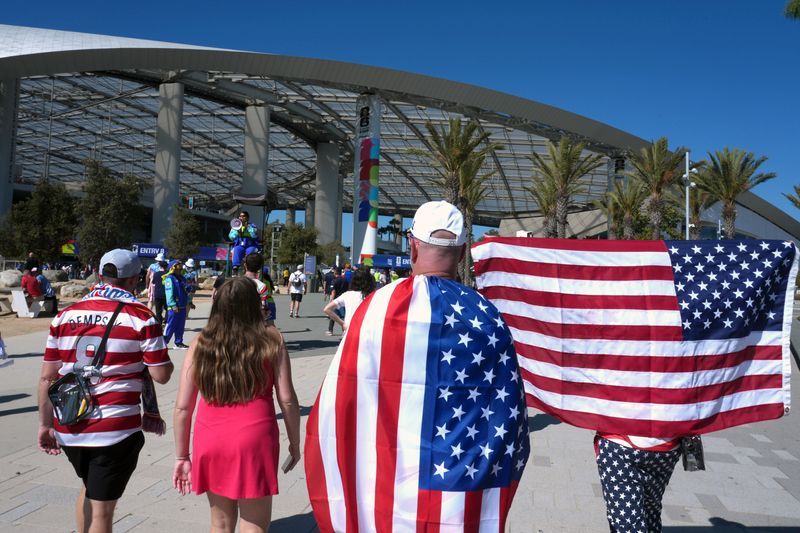
When Jeremy Wright purchased two tickets to the Netherlands versus Japan World Cup match on StubHub last September, he envisioned a perfect Christmas gift for his wife, Sarah. Five hours before kickoff on June 14, his excitement evaporated with a cancellation email. Though the platform promised replacement tickets under its FanProtect Guarantee, attempting to claim them yielded only a refund option. After fruitless hours contacting customer support, the Wrights abandoned their plans and drove back to Austin in the rain—a journey that encapsulates the frustration experienced by dozens of ticket buyers across the first North American World Cup in more than three decades.
The Wright family's disappointment mirrors a broader pattern of last-minute cancellations that swept through the resale ticketing landscape during the 2026 tournament. Similar stories emerged from social media, where fans shared their own experiences of purchasing matches only to receive cancellation notices hours or minutes before the games began. These failures typically came despite platform assurances that replacement tickets would be provided, leaving families who had travelled considerable distances without seats and with mounting expenses. The scale of the problem suggests systemic issues rather than isolated incidents, raising questions about the resilience of secondary ticketing markets during sporting mega-events.
StubHub, the U.S. resale platform involved in most complaints, operates without official FIFA partnership status and functions exclusively as a secondary market. The company acknowledges that cancellations stem from seller-side delivery failures rather than platform malfunction, attributing the broader infrastructure problems to FIFA's ticketing systems affecting all resale platforms. This finger-pointing between StubHub and FIFA reflects a fundamental tension in how World Cup tickets are distributed and traded. FIFA, which only recently permitted resale through official channels, has positioned its own platform as the sole reliable option, yet that platform charges a 30% commission on transactions—substantially higher than competing resale sites, making it unattractive to cost-conscious buyers searching for better deals.
Ticketing expert Scott Friedman, who previously worked with professional sports organisations including the Cleveland Cavaliers, identifies the root cause as "speculative ticketing"—a practice where sellers list tickets at inflated prices hoping to purchase them later at lower costs and pocket the difference. Friedman explains the mechanics plainly: a seller might list a ticket for $500 months in advance, expecting to acquire it for considerably less before delivery is required. This mirrors short-selling in financial markets, but with a crucial difference. Unlike typical secondary markets where prices decline as events approach, World Cup ticket prices ascended continuously as the tournament drew nearer, trapping speculators between an impossible choice: either deliver tickets at a loss or risk account penalties and customer backlash.
The structural vulnerability of StubHub's model became evident through examination of specific cases. Jeremy Wright's September purchase—four days before FIFA even launched official sales—strongly suggests speculative listing. His order confirmation revealed only "Category 3" seating with no specific seat numbers provided. Though StubHub requires sellers to upload tickets or provide purchase proof at listing time, and stipulates financial penalties and account suspension for misrepresentation, enforcement appears inconsistent. The company's policy explicitly prohibits speculative ticketing, yet so-called "ghost tickets" without allocated seats remain widespread precisely because the platform does not mandate seat identification during the listing phase, creating an enforcement gap that speculators exploit.
Dacy Gillespie, a writer and stylist from St. Louis, experienced similar frustration after purchasing four tickets to Argentina's June 16 match against Algeria as a Christmas surprise for her two sons. She chose StubHub over FIFA's official platform, finding the latter confusing and convoluted to navigate. After driving 250 miles to Kansas City on matchday, she received notification that the seller could not deliver. Many fans share Gillespie's preference for StubHub despite its risks, a testament to FIFA's platform design failing to provide an intuitive user experience even as it claims technical superiority and reliability.
Both the Wrights and Gillespie only secured meaningful responses from StubHub after their complaints went viral on social media—a troubling indicator that individual disputes receive inadequate attention without public pressure amplification. StubHub ultimately offered Jeremy Wright complimentary semi-final seats, while Gillespie received $3,000 to offset replacement ticket purchases she secured independently. Yet both families emphasised the luck involved in achieving these remedies, raising uncomfortable questions about fairness and equity. Sarah Wright articulated the dilemma perfectly: "We got complimentary tickets, but what about all the other people?" This disparity between visible and invisible complainants creates a two-tier resolution system where visibility determines compensation.
In response to the crisis, StubHub established a dedicated World Cup support team and expanded infrastructure to source replacement tickets, with company representatives insisting that "getting fans to their matches remains our top priority for the rest of this tournament." This reactive approach, however, leaves questions about whether sufficient safeguards existed before problems materialised. The company spokesperson's statement that sellers face "financial penalties and account suspension" for misrepresentation rings hollow when ghost tickets remain endemic. A more proactive solution would involve requiring seat-level transparency at listing time and implementing pre-delivery verification for tickets, particularly during mega-events where price volatility attracts speculative behaviour.
FIFA's response to the controversy centres on defending its infrastructure while deflecting blame. The governing body rejects suggestions that its ticketing systems caused third-party platform failures, insisting its infrastructure operates reliably at scale. FIFA has simultaneously urged fans to use only its official resale marketplace, which it describes as "the only platform through which it can guarantee proper delivery." This argument carries limited persuasive force given FIFA's 30% commission structure, which explicitly prices out budget-conscious fans and redirects them toward secondary markets where problems now proliferate. The tension between FIFA's official platform and resale alternatives represents a strategic choice favouring revenue extraction over user experience.
The broader implications for Southeast Asian sports fans and regional ticketing practices merit consideration. As major sporting events increasingly gravitate toward dynamic pricing and official resale platforms with elevated commission structures, the secondary market becomes increasingly attractive to price-sensitive consumers. However, the World Cup 2026 experience demonstrates that secondary platforms remain vulnerable to speculative abuse without adequate safeguards. For Malaysia and neighbouring countries where fans may purchase tickets for tournaments held across North America or Europe, understanding these vulnerabilities becomes essential. The model exemplified by StubHub's current structure—with minimal pre-delivery verification and late-stage cancellations—could easily replicate across other sporting mega-events if industry standards do not evolve.
Reputational damage to StubHub extends beyond immediate customer dissatisfaction. The UK's financial watchdog this week imposed a £900,000 fine on StubHub UK and mandated refunds for over 50,000 customers after determining the platform failed to display total prices upfront. Combined with World Cup cancellation controversies, this regulatory action suggests growing official scrutiny of secondary ticketing practices. Marsha-Gaye Knight, a clinical assistant professor at NYU Tisch Institute for Global Sport, cautions that World Cup ticketing failures could inflict major long-term brand damage on StubHub. In competitive ticketing markets, reputation constitutes a primary differentiator, and systematic failures during high-profile events erode customer trust that proves difficult to rebuild.
Looking forward, the World Cup 2026 experience reveals fundamental design flaws in how secondary ticketing markets operate during mega-events. Whether FIFA can genuinely guarantee delivery through its official platform remains unproven, while StubHub's enforcement of anti-speculative policies has demonstrably failed at scale. For fans across Malaysia and Southeast Asia contemplating purchases for future international tournaments, the lesson is clear: secondary platforms offer convenience and competitive pricing but carry genuine risks of last-minute cancellations. The regulatory environment now shows signs of tightening, with authorities in multiple jurisdictions demanding greater transparency and consumer protection, suggesting that future ticketing reform may finally address the structural vulnerabilities that stranded families like the Wrights.

