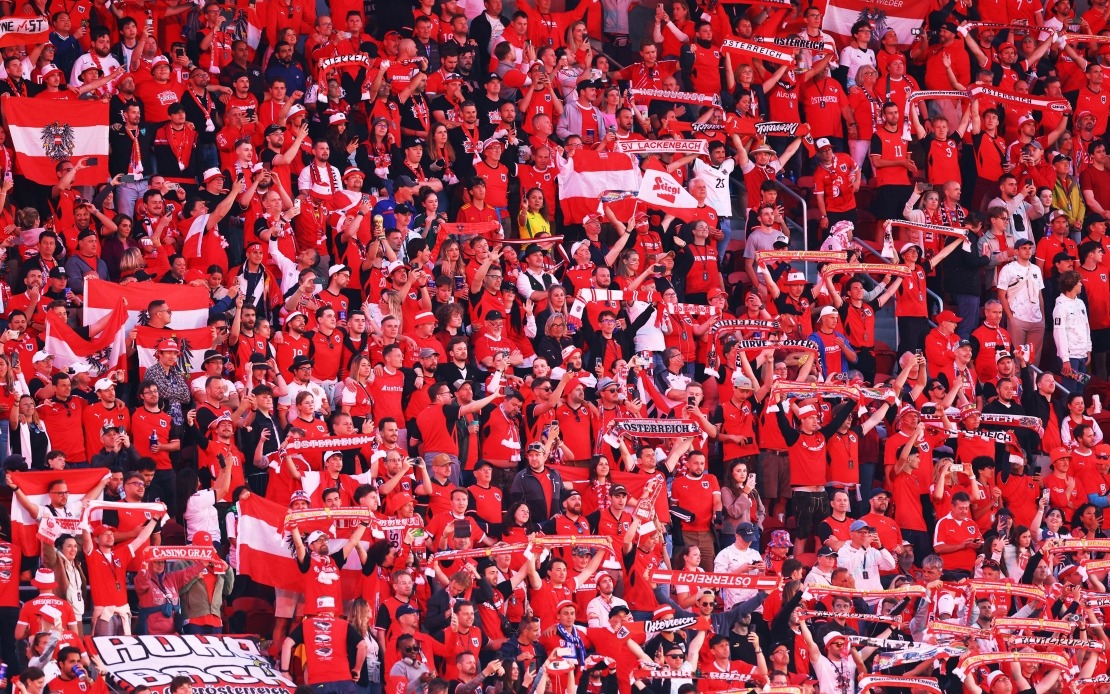
The expanded 2026 FIFA World Cup format has delivered unprecedented commercial and sporting success during its group stage, with governing body FIFA confirming a cascade of new records that underscore the tournament's massive appeal across North America. With 72 group matches now concluded, the competition has attracted 4.644 million supporters to stadiums across the three host nations, establishing a new benchmark that far outpaces historical tournaments and reflecting the structural changes that transformed the event from 32 to 48 teams.
The attendance figure represents a striking gain of more than one million spectators compared to the 1994 World Cup held in the United States, when 3.587 million fans attended matches. Yet that earlier tournament operated with only 24 teams competing in 52 matches total, making direct statistical comparisons complex. The 1994 event achieved a higher per-match average of 68,991 attendees, while the current expanded edition averages 64,508 across its group stage fixtures. This nuance reveals that while total attendance has surged dramatically, the expanded format has distributed fans across more matches rather than concentrating them in fewer, potentially larger-capacity venues.
The expansion to 48 nations participating in the tournament has fundamentally altered the competitive landscape and player participation rates. The 72 group stage matches have fielded 999 players across the participating nations, with Canadian captain Alphonso Davies becoming the symbolic 1,000th player to take the field when he entered the match during Canada's final group stage victory over South Africa on Sunday. This milestone reflects both the tournament's broader inclusivity in inviting additional nations and the depth of squad rotations that teams have employed throughout the opening rounds.
On the field, the expanded format has also translated into more dynamic and open play. The 215 goals scored during group stage matches establishes a new record, averaging precisely three goals per game across all 72 fixtures. This compares notably to the 2022 World Cup in Qatar, which saw 32 teams compete in 64 matches and produce 179 goals at an average of 2.8 per match. The elevated scoring rate suggests that the increased number of competitive fixtures, combined with the presence of more diverse competitive levels among the expanded participant pool, has created more attacking opportunities and variable defensive performances than previous tournament editions.
Beyond the field of play, the World Cup's economic footprint across the three nations has proven substantial. FIFA disclosed that stadium-goers have collectively purchased 2.8 million beers, distributed across vendors and hospitality zones throughout the venues. Complementing this consumption, patrons have bought approximately one million bottles of water to manage hydration across the diverse climatic conditions encountered across the United States, Canada, and Mexico. Among the most evocative consumption statistics, vendors have sold 300,000 hot dogs to supporters, a figure that captures the essential North American food culture experience integrated into the tournament atmosphere.
The official fanfests established in the three host countries have extended the tournament's economic and social reach well beyond match venues themselves. These dedicated celebration zones, operating throughout the group stage, have attracted more than 5.5 million visitors who were not necessarily attending matches but seeking to participate in the World Cup atmosphere and festivities. Within these fanfest environments, visitors have consumed more than 2 million alcoholic beverages and almost 2 million soft drinks, indicating sustained engagement with the broader tournament experience rather than match attendance alone.
For Malaysian readers and Southeast Asian observers, these statistics carry particular relevance as the region continues to evaluate its own hosting capacity for major international sporting events. The scale of infrastructure, security, hospitality, and commercial coordination demonstrated by the United States, Canada, and Mexico provides both a benchmark and a cautionary example of the resources required to execute world-class tournaments. The 4.6 million attendance figure, when distributed across three nations and 80 total matches projected for the full tournament, underscores the significant economic opportunity that emerges from hosting the world's most-watched sporting competition.
The records reveal an important pattern: expansion has worked commercially despite per-venue attendance averaging slightly lower than historical tournaments. This suggests that FIFA's strategic decision to extend participation to 48 nations successfully generated broader geographic interest and accessibility, allowing more supporters across more communities to attend matches. For nations considering future World Cup bids, the data indicates that the expanded format may actually reduce some logistical pressures associated with managing extraordinary crowds at individual venues while simultaneously expanding the overall economic benefit across more locations and hospitality operations.
The consumption metrics—particularly the 2.8 million beers and 300,000 hot dogs—underscore that modern sporting events function as comprehensive entertainment and hospitality experiences rather than simply athletic competitions. This dimension holds significance for event planners across Southeast Asia, where tournament hosting increasingly requires investment in ancillary experiences, food service infrastructure, and ambient entertainment that extends beyond match-day activities. The fanfest attendance figure, exceeding 5.5 million across the three countries, demonstrates that official celebration zones can generate substantial participation and spending independent of stadium attendance, potentially offsetting some venue capacity constraints through distributed outdoor experiences.
Looking forward, the data from the group stage provides FIFA and the host nations with preliminary evidence that the 48-team format successfully expands the tournament's reach and appeal. The milestone of 1,000 players participating, the elevated goal-scoring rate, and the overwhelming consumer engagement across beverages, food, and fanfest attendance all suggest that the structural changes implemented for this cycle have achieved their intended commercial and sporting objectives. For Malaysian stakeholders monitoring international event management practices, these figures offer concrete evidence of how tournament restructuring can balance accessibility with commercial viability.

