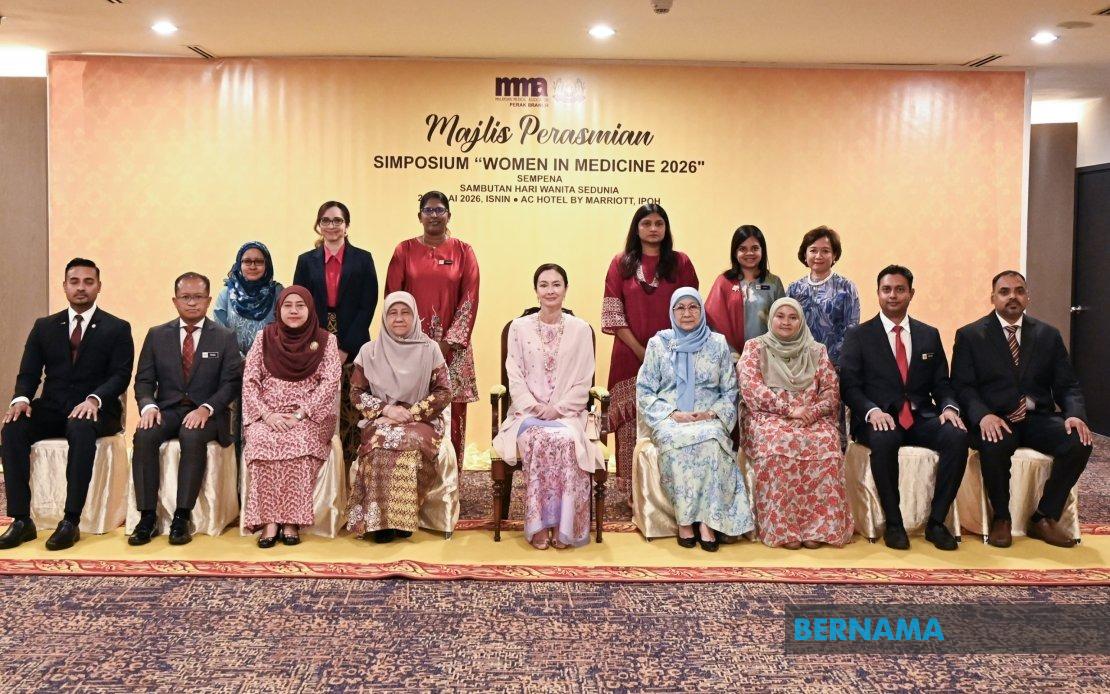
The Malaysian medical profession must prioritise women in leadership positions to effectively tackle the evolving health challenges facing the nation, according to senior figures in the medical fraternity. Speaking at the Women in Medicine 2026 Symposium in Ipoh, Dr Monesh Pillai, chairman of the Perak Malaysian Medical Association, stressed that female leaders bring distinctive qualities including broader perspectives, heightened empathy and approaches centred on people's needs—attributes particularly valuable in healthcare delivery.
The contemporary healthcare landscape has become increasingly complex, presenting practitioners and policymakers with multifaceted challenges that demand innovative thinking and strategic vision. Mental health conditions, the mounting burden of non-communicable diseases, demographic shifts towards an ageing population, technological modernisation and the integration of artificial intelligence into medical practice represent just some of the pressing issues confronting the sector. Dr Pillai contended that navigating this complicated terrain successfully requires decision-makers who can synthesise information from varied perspectives and propose forward-thinking solutions. The absence of women from senior roles means the profession loses access to crucial insights that could enhance how these challenges are approached and resolved.
Within Malaysia's medical community, a significant structural imbalance persists at leadership levels despite women comprising a substantial proportion of healthcare professionals. Dr Pillai's call for greater female representation at decision-making tables transcends symbolic gestures of inclusion; rather, it represents a functional necessity for the healthcare system to operate optimally. When women are positioned as architects of policy rather than merely as implementers of others' decisions, the resulting healthcare frameworks tend to incorporate considerations that might otherwise be overlooked, creating systems that serve broader populations more effectively.
The symposium, held under the patronage of Raja Permaisuri of Perak Tuanku Zara Salim and organised by the Perak branch of the Malaysian Medical Association, aligned with International Women's Day celebrations and its theme of rights, equality and empowerment. This framing underscores that advancing women in medicine extends beyond individual career advancement; it represents a strategic investment in healthcare system quality itself. Dr John Emmanuel, the symposium's organising committee chairman, articulated this perspective when noting that empowering women strengthens not only the profession but materially improves patient outcomes and community health standards.
The contemporary understanding of women's roles in healthcare has expanded significantly beyond the traditional conception of female doctors. Today's recognition encompasses women functioning as leaders, administrators, researchers, academics, nurses, pharmacists, allied health specialists, and advocates—roles that collectively shape how healthcare systems operate. This diversification reflects the profession's maturation and the reality that healthcare improvement depends on contributions across multiple disciplines and functions. Women operating in these varied capacities bring distinct competencies and perspectives that collectively enhance system performance.
The symposium's programming featured presentations addressing contemporary healthcare concerns through gendered lenses. Datuk Dr Adeeba Kamarulzaman, president and pro vice-chancellor of Monash University Malaysia, delivered insights on how women have transitioned from clinical practice into global health policy formation, demonstrating pathways through which female medical professionals can influence larger systems. Dr Sangeetha Siniah from Sunway Velocity Medical Centre contributed expertise on immunology and allergy management in paediatric populations, illustrating the depth of specialised knowledge women bring to medical practice.
For Malaysian healthcare specifically, the advancement of women in medical leadership carries particular significance given the nation's demographic and epidemiological transitions. As Malaysia's population ages and chronic diseases predominate, healthcare approaches must become increasingly sophisticated, requiring leadership that understands both medical science and human complexity. Female leaders, research suggests, tend to prioritise preventive care, patient education and community engagement—approaches particularly valuable in managing chronic conditions and promoting public health.
The regional context amplifies these considerations. Southeast Asian nations collectively face healthcare system pressures from urbanisation, lifestyle changes and emerging infectious disease threats. Medical associations across the region, including those in Malaysia, increasingly recognise that excluding half the professional population from leadership roles represents a strategic disadvantage. Countries and institutions that successfully mobilise female medical talent tend to demonstrate better health outcomes and more resilient healthcare infrastructure.
Implementing meaningful change requires moving beyond rhetorical support towards concrete mechanisms that facilitate women's advancement. This encompasses mentorship programmes, leadership training specifically designed for women, transparent promotion criteria that reduce unconscious bias, and organisational cultures that value diverse leadership styles. The Malaysian Medical Association's organising of dedicated symposia addressing women's roles in medicine signals growing awareness, though translating this awareness into systemic change remains ongoing work.
The participation of senior government figures, including the Raja Permaisuri and the wife of the Perak Menteri Besar, in the symposium suggests high-level institutional recognition of these issues. When political leadership visibly supports initiatives promoting women in healthcare, it reinforces that this represents priority rather than peripheral concern. Such visible backing can facilitate resource allocation and policy shifts needed to support women's advancement within medical institutions across Perak and potentially the wider Malaysian healthcare system.
For individual women in medicine, increased visibility of peer role models and institutional support for development creates conditions enabling fuller participation in leadership. The symposium provided platform for networking and knowledge exchange among women healthcare professionals, fostering connections that often prove instrumental in career progression. These informal networks, when coupled with formal mentorship and development opportunities, significantly enhance women's capacity to assume senior roles.
Moving forward, Malaysian medical associations and healthcare institutions face choices about how seriously they prioritise women's advancement. The evidence increasingly demonstrates this represents not a diversity initiative but an operational imperative—one where healthcare quality, financial sustainability and resilience to emerging challenges depend substantially on who occupies decision-making positions. The question is whether Malaysia's medical profession will accelerate this transition or allow progress to remain incremental.

