Police have made significant progress in investigating a sophisticated welfare fraud case that left an elderly woman substantially worse off financially. Authorities apprehended a woman alongside her two adult children in connection with the scheme, which exploited the victim's trust by posing as welfare workers offering assistance. The case underscores growing concerns about targeted scams that prey on vulnerable populations, particularly senior citizens who may be less familiar with modern fraud tactics or reluctant to question those presenting themselves as government representatives.
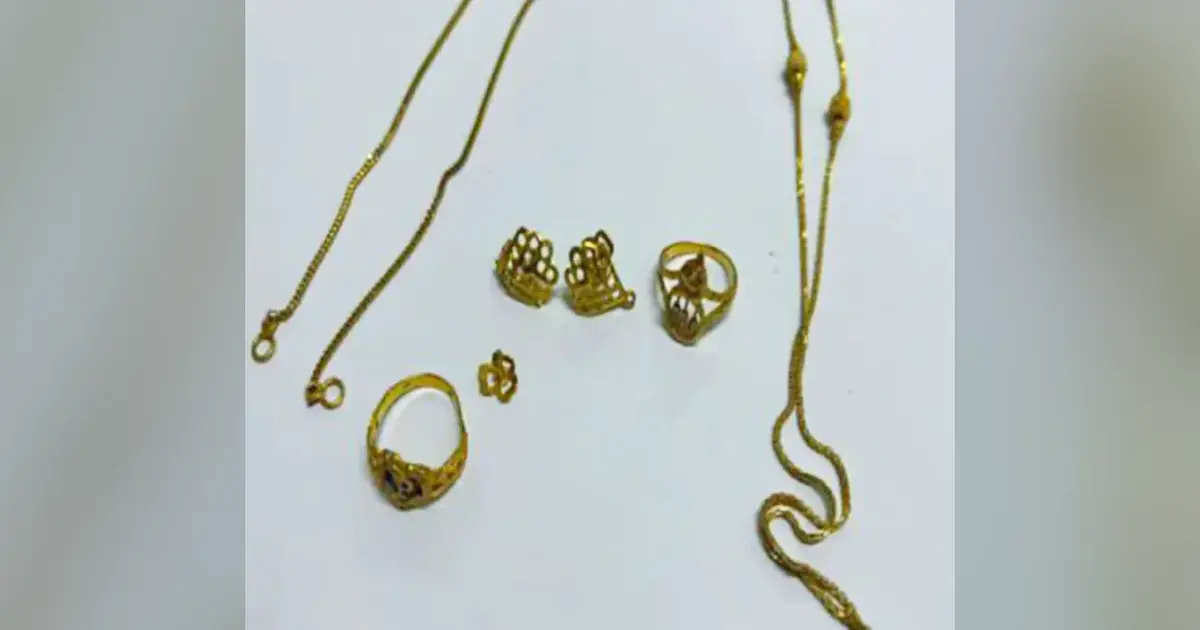
The investigation culminated in the recovery of jewellery valued at RM8,000, which had been siphoned away from the elderly victim and subsequently sold to a pawnshop. This recovery represents a partial restoration of the victim's losses, though the emotional impact of being defrauded by individuals exploiting official channels cannot be quantified financially. The decision to pawn the items rather than retain them suggests the perpetrators sought immediate liquidity, a common pattern in fraud cases involving organised criminal networks or individuals facing financial desperation.
Welfare aid fraud has become an increasingly prevalent issue across Southeast Asia, with Malaysia recording numerous cases annually. These schemes typically involve perpetrators claiming to represent government agencies or charitable organisations, leveraging the public's general trust in such institutions. In this instance, the fraudsters successfully convinced the elderly victim that they required valuables as collateral or documentation for welfare disbursement, a tactic that exploits both the victims' hopes for financial assistance and their unfamiliarity with legitimate welfare processes.
The involvement of multiple family members in the alleged scheme raises questions about whether this represented a coordinated operation or opportunistic criminal activity. Such cases frequently reveal family networks where responsibilities are distributed—one member may have made initial contact, another conducted negotiations, and a third handled the transaction with the pawnshop. This division of labour makes investigation more complex but also provides law enforcement with multiple points for intervention and evidence gathering.
Pawnshops, while serving legitimate purposes in Malaysia's financial ecosystem, occasionally become inadvertent conduits for stolen or fraudulently obtained goods. The police's ability to trace items to a specific pawnshop demonstrates the importance of robust record-keeping requirements for such establishments. Enhanced cooperation between pawnbrokers and law enforcement, including mandatory reporting of suspicious transactions, could significantly impede this category of criminal activity and protect vulnerable sellers from being duped.
The targeting of elderly citizens reflects a deliberate strategy by fraudsters who perceive this demographic as less likely to report crimes, more susceptible to social engineering, and potentially isolated from family members who might provide protective guidance. Malaysia's rapidly ageing population—projected to reach 15 per cent by 2030—means this vulnerability will intensify unless comprehensive awareness and protective measures are implemented. Community education programmes, particularly those conducted in neighbourhood community centres and religious institutions frequented by older Malaysians, could substantially reduce victimisation rates.
The implications extend beyond the individual victim to broader concerns about public confidence in government welfare systems. When elderly citizens become wary of genuine welfare workers due to fraud fears, legitimate assistance programmes become less effective and socially disadvantaged groups may forego support they genuinely deserve. This secondary harm represents a significant cost to society beyond the immediate financial losses incurred by individual victims.
Law enforcement agencies have increasingly prioritised welfare fraud investigations, recognising these cases as indicators of broader organised crime networks. The successful apprehension and recovery in this instance demonstrates that sophisticated investigative techniques can be applied effectively to such cases. However, resource constraints and the volume of reported fraud cases mean that reactive investigation, while important, must be complemented by proactive prevention strategies.
For Malaysian readers, this case serves as a cautionary reminder to verify the identity of any individual claiming to represent government agencies before providing personal information or valuables. Legitimate welfare officers carry official identification and never demand payment, collateral, or valuables as conditions for assistance. Encouraging elderly relatives to verify such claims by contacting the relevant government department directly, or involving family members in conversations about unexpected welfare offers, can substantially reduce vulnerability.
The recovery of the jewellery and the prosecution of the alleged perpetrators provides some measure of justice, though full restitution remains unlikely given the pawnshop's sale of the items. Going forward, this case highlights the necessity for coordinated approaches involving law enforcement, financial institutions, community organisations, and families in protecting vulnerable populations from exploitation. Public awareness campaigns specifically targeting welfare fraud, coupled with enhanced regulation of pawnshops and improved elderly citizen support networks, represent practical steps toward creating a more secure environment for Malaysia's ageing demographic.

