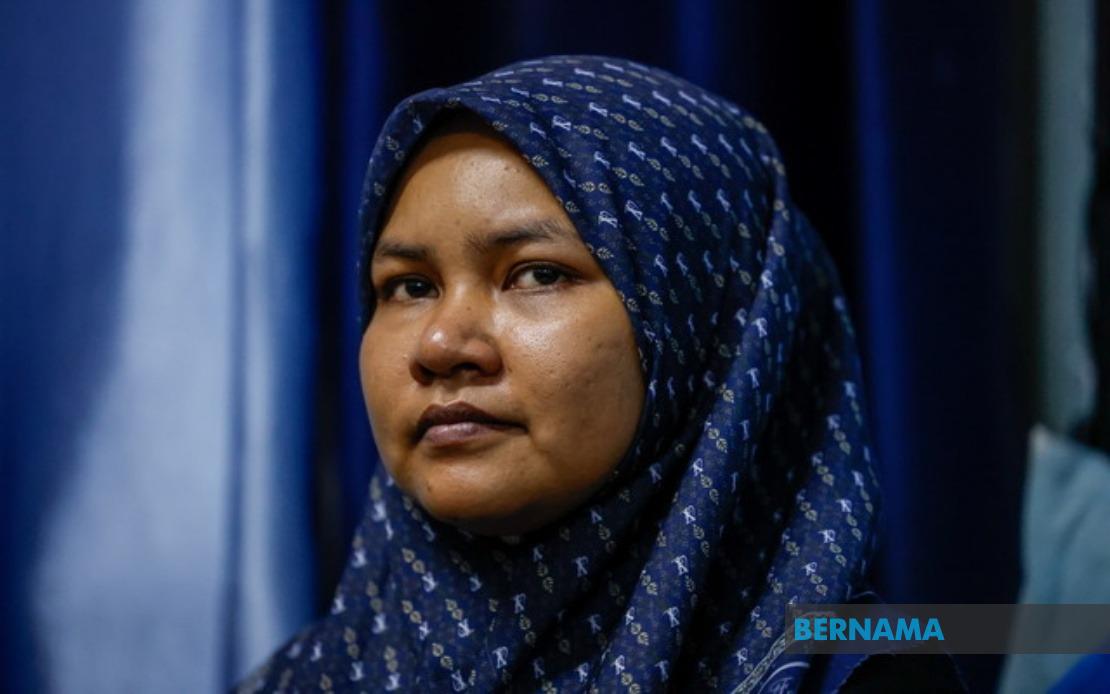
The widow of delivery rider Amirul Hafiz Omar plans to pursue a RM1 million civil claim against the driver accused of killing him in a hit-and-run incident on Klang's Jalan Raya Barat. The anticipated legal action, expected to be filed in August at the Shah Alam High Court, represents an escalation of the case beyond the ongoing criminal proceedings currently before the courts.
Nor Nadia Abdul Majid, 32, the victim's widow, has instructed her legal team to prepare the necessary documentation for the civil suit, according to her lawyer Nur Iffah Hizwani Omar. The writ of summons and statement of claim have already been drafted, though their formal submission remains contingent on administrative requirements that have yet to be fulfilled. The delay reflects the procedural complexities involved in establishing the legal standing necessary for a widow to pursue damages on behalf of her deceased spouse and their family.
The timeline for the civil suit's progression hinges on the issuance of a Letter of Administration, a crucial legal document that grants Nor Nadia the authority to act on behalf of her late husband's estate. An application for this letter was submitted to the Kuala Lumpur High Court and is scheduled for determination on July 28, clearing the way for the next phase of the legal process. This administrative hurdle, while standard in succession law, has effectively postponed the widow's ability to seek compensation through the courts.
A critical element of calculating the appropriate damages claim involves obtaining detailed financial records from the ride-hailing company that employed Amirul Hafiz as a supplementary income source. These earnings records are essential for establishing the full extent of the family's financial loss resulting from his death. The legal team intends to utilise this documentation to substantiate the RM1 million claim, ensuring that the quantum sought reflects the genuine economic impact of the victim's untimely passing on his dependents. Without these records, any claim risks appearing arbitrary to the court.
The criminal case against R. Saktygaanapathy, 28, the accused driver, has proceeded along a separate trajectory. Initially charged with murder under Section 302 of the Penal Code on April 1, the case was elevated to the High Court given the severity of the accusation. However, on June 3, Saktygaanapathy entered a not guilty plea to an amended charge under Section 15(1)(a) of the Dangerous Drugs Act 1952, specifically relating to self-administration of tetrahydrocannabinol (THC). This charge modification suggests that the prosecution may be confronting evidential or procedural challenges with the original murder charge.
The shift in criminal charges introduces a significant distinction between the driver's legal liability for drug possession and his culpability for the fatal collision itself. While the drug-related charge addresses one aspect of the circumstances surrounding the incident, it does not directly establish criminal responsibility for Amirul Hafiz's death. This development underscores the complexity of prosecuting such cases, particularly when impairment is suspected but proving causation to a criminal standard proves problematic.
For Nor Nadia, the civil suit represents a mechanism through which to seek financial redress independent of the criminal proceeding's outcome. Civil law operates on a lower burden of proof than criminal law, requiring only a balance of probabilities rather than proof beyond reasonable doubt. This distinction means that even if the criminal prosecution encounters difficulties, the civil action may still succeed in establishing liability and securing compensation for the widow and her children.
The personal toll of her loss has weighed heavily on Nor Nadia throughout the past four months since her husband's death on March 29. She described an initial period of emotional numbness, where the reality of her husband's absence had not fully crystallised. Only after three months did the grief intensify, as the permanence of his death sank in and the daily routines they once shared became starkly absent. This psychological trajectory is not uncommon among trauma survivors, as the mind initially protects itself through dissociation before confronting the full weight of bereavement.
The impact on her children has become a focal point of her grief. Amirul Hafiz's daily devotion to school duties—transporting them to classes each morning and collecting them at noon for lunch—created a pattern of paternal involvement that she now bears alone. The regularity and care with which he executed these responsibilities, regardless of weather conditions, underscore the practical and emotional dimensions of his role in the household. Nor Nadia's assumption of these duties, while necessary, represents a tangible manifestation of the family's loss and the ongoing consequences of his death.
The case reflects broader concerns in Malaysia regarding road safety and the enforcement of traffic laws involving impaired drivers. The alleged involvement of drug use in the fatal collision highlights persistent challenges in detecting and prosecuting impaired driving, particularly when substances such as THC are involved. Enhanced enforcement mechanisms and public awareness campaigns remain critical to preventing similar tragedies.
For Malaysian families dependent on gig economy workers, the case underscores the vulnerability of delivery riders and other informal sector workers who lack conventional employment protections. The absence of comprehensive insurance or survivor benefits means that widows and children must pursue civil remedies to secure financial recovery. This gap in the social safety net places the burden of compensation squarely on the legal system and the pursuit of damages claims.
The civil suit also serves a broader deterrent purpose, potentially encouraging greater care and responsibility among drivers and reinforcing that fatal collisions carry serious legal and financial consequences beyond criminal penalties. When families can pursue substantial damages claims, the total cost of negligent or reckless driving rises significantly, creating incentives for safer conduct on the roads.
As Nor Nadia navigates both her grief and the legal proceedings ahead, her case will likely contribute to ongoing discussions about protecting vulnerable workers in the gig economy and strengthening mechanisms to hold impaired drivers accountable. The eventual outcome of both the criminal and civil proceedings will have implications extending beyond her family, potentially influencing how Malaysian courts and law enforcement address similar cases in the future.

