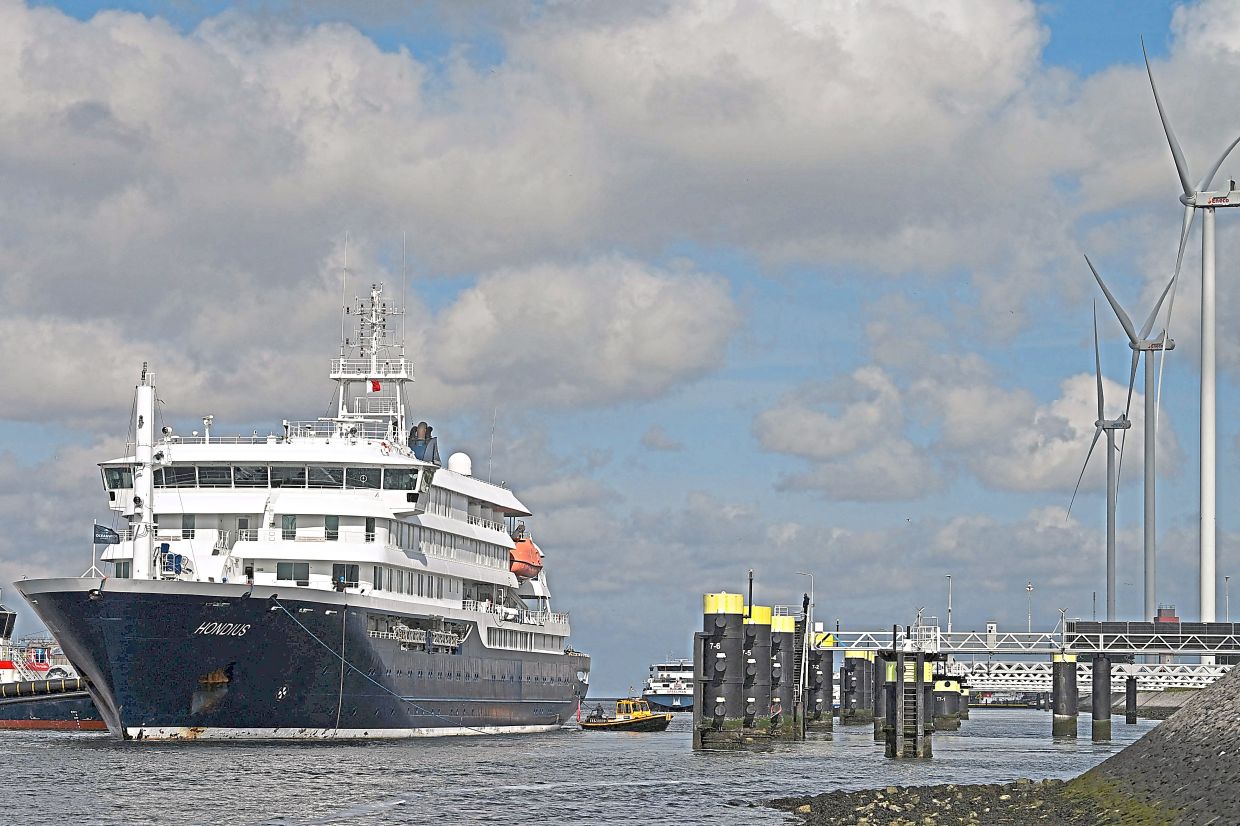
The World Health Organization formally concluded the hantavirus outbreak associated with the MV Hondius on July 2, 2026, when the last exposed individual completed quarantine, tested negative, and returned home. The declaration marks the end of a concerning episode that generated significant international health alarm and exposed the vulnerability of cruise ship operations to emerging infectious diseases. The outbreak, which originated aboard the Dutch-flagged polar exploration vessel, resulted in 12 confirmed infections and one probable case, with three fatalities documented during the incident. Although the acute phase has concluded, the episode continues to serve as a crucial case study for the global health community in understanding how viruses spread across borders through modern transportation networks.
The MV Hondius embarked on its fateful voyage on April 1, 2026, from Ushuaia, Argentina, carrying passengers bound for remote and isolated destinations in the South Atlantic Ocean. The itinerary included a visit to Tristan da Cunha, one of the world's most remote inhabited archipelagos, and the ship subsequently travelled northward toward the Canary Islands. Authorities faced mounting concern as the voyage progressed and cases emerged, ultimately deciding to evacuate remaining passengers at Tenerife in Spain's Canary Islands. The ship itself did not complete its journey to its intended final destination until May 18, 2026, when it arrived in Rotterdam, Netherlands for comprehensive sanitisation and decontamination procedures. This timeline reveals how the outbreak unfolded across nearly two months and multiple maritime jurisdictions, complicating containment efforts and emphasising the challenges posed by vessels operating in international waters.
WHO Director-General Tedros Adhanom Ghebreyesus announced the conclusion at a formal press conference, emphasising that no new cases had been reported since May 25, 2026. The declaration was contingent upon the systematic monitoring of contacts and the achievement of a sufficient period without new infections, protocols established for determining when outbreaks reach resolution. The global response to the outbreak involved unprecedented coordination among health authorities across 33 countries and territories, with more than 650 individuals identified as having potential exposure to the virus. This sprawling contact tracing operation underscores how a single infected person aboard an international cruise can create an extensive web of health concerns spanning multiple continents and jurisdictions. The geographical dispersion of passengers and crew members meant that local health systems worldwide had to coordinate testing, monitoring, and quarantine protocols simultaneously.
Hantavirus remains a significant public health concern precisely because it lacks effective medical countermeasures. The virus is naturally transmitted through contact with infected rodents, particularly their urine, droppings, or saliva, making transmission between humans inherently unusual. However, the Andes species responsible for the MV Hondius outbreak represents a critical exception to typical hantavirus epidemiology, as it is the only known strain capable of human-to-human transmission. This characteristic makes the Andes variant particularly dangerous in crowded environments such as cruise ships, where close quarters and shared ventilation systems create conditions favouring respiratory transmission. Understanding how passengers became infected aboard the vessel—whether through environmental contamination or direct person-to-person contact—remains an important research question for specialists investigating the outbreak's dynamics.
The outbreak's investigation extends well beyond the declaration of its conclusion, with the WHO coordinating a comprehensive international study involving 21 countries to elucidate the disease's pathogenesis and progression. This research initiative aims to generate knowledge that will inform the development of diagnostic tools, therapeutic interventions, and ultimately vaccines capable of addressing future hantavirus incidents. The gaps in current medical capabilities—the absence of vaccines, specific antiviral treatments, and rapid diagnostic tests—became starkly apparent during the MV Hondius situation, motivating accelerated research efforts. Scientists will examine how the virus behaves in different populations, what factors determine disease severity, and how immune responses develop following infection. These findings will prove essential for pharmaceutical and biotechnology companies seeking to develop products addressing a historically neglected pathogen that has suddenly emerged as a concern for international travel and tourism.
For Southeast Asian stakeholders, the MV Hondius outbreak carries particular relevance given the region's substantial cruise ship tourism industry and its vulnerability to infectious disease spillover events. Southeast Asian ports such as those in Singapore, the Philippines, and Thailand serve as major embarkation points and stops for cruise itineraries, positioning the region as a potential hotspot for similar outbreaks. The incident demonstrates that exotic polar expeditions and remote destination cruises, increasingly popular among affluent tourists from Malaysia and neighbouring countries, carry inherent disease transmission risks. Regional health systems must develop contingency plans and establish protocols for managing potential cruise ship-related outbreaks, ensuring that local authorities can rapidly identify, isolate, and treat cases while coordinating with international health bodies.
The response to the hantavirus outbreak also illuminates ongoing tensions between maritime commerce and public health imperatives. The MV Hondius remained in service transporting passengers through international waters, creating cascading health consequences that eventually affected multiple countries' healthcare systems. Cruise operators and flag states must grapple with balancing passenger safety against operational constraints and commercial pressures. The incident may precipitate increased scrutiny of cruise ship health protocols, environmental controls, and pest management procedures, with regulatory bodies in various countries potentially imposing stricter requirements before vessels carrying passengers to remote destinations receive operational clearance.
The WHO's conclusion of the outbreak provides provisional reassurance but represents only a waypoint in ongoing efforts to understand and prevent future hantavirus incidents. The coordinated international response, while ultimately successful in containing spread, revealed both the capacity of the global health system to mobilise resources and the fragility of that system when confronted with unusual transmission patterns from poorly understood pathogens. The knowledge generated through the 21-country study and associated investigations will inform public health preparedness across Asia-Pacific and globally, potentially averting future crises. For Malaysia and Southeast Asia, this outbreak underscores the importance of maintaining robust surveillance systems, investing in laboratory capacity for identifying emerging pathogens, and ensuring healthcare workers receive training in recognising and managing unusual infectious diseases. The declared end to the outbreak should not lull governments into complacency regarding the genuine threat that zoonotic diseases pose to regional and international health security.

