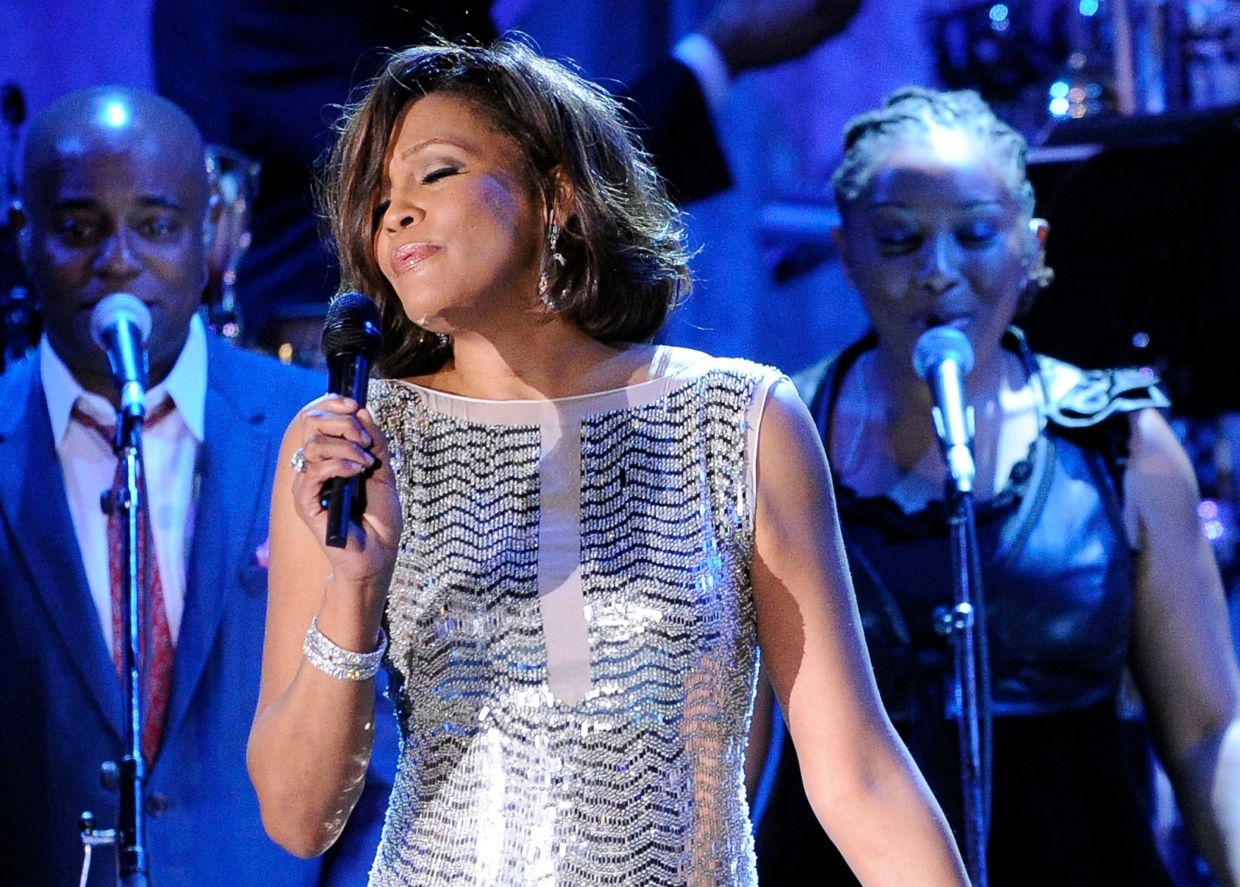
Four decades on from releasing her breakthrough work, Whitney Houston continues to captivate audiences through fresh tributes to her extraordinary career. The latest milestone arrived on what would have been her 63rd birthday in August, when her estate unveiled a comprehensive collection of her 11 Billboard Hot 100 number-one singles—a remarkable achievement that underscores her dominance in popular music during the 1980s and 1990s. These chart-topping tracks represent more than mere commercial success; they function as cultural touchstones that defined multiple generations and provided the soundtrack to countless lives across the globe, cementing Houston's status as one of the most commercially successful recording artists in history.
Parallel to this musical retrospective, the Whitney Houston estate partnered with Mattel to create the singer's first-ever Barbie doll, a milestone that Pat Houston, executor of the estate and the late singer's sister-in-law, describes as deeply meaningful. The doll launched on Houston's birthday, adding a tangible cultural artefact to the ongoing commemoration. For Pat Houston, bringing this vision to fruition carries particular significance, as the concept originated from conversations between Whitney and Pat more than two decades ago. The realisation of this long-held dream after so many years speaks to Houston's enduring influence and the careful stewardship her family and estate representatives have applied to her legacy.
The decision to celebrate Houston's number-one singles reflects a deliberate curatorial philosophy. According to Pat Houston, Whitney always believed that a definitive collection showcasing the absolute pinnacle of her work would serve her memory most effectively. The songs selected transcended typical chart success to become genuine phenomena that reverberated across multiple continents, touching hearts and reshaping expectations for what popular music could achieve. Each track represented not only commercial triumph but an artistic statement that challenged conventions and elevated the medium itself. By assembling these achievements in one collection, the estate ensures that new audiences and lifelong fans alike can appreciate the full scope of her commercial and artistic dominance in a single listening experience.
The relationship between Whitney Houston and music industry figure Clive Davis fundamentally shaped her trajectory, a reality that Pat Houston emphasises with considerable emotion. Davis discovered and nurtured Houston's career, providing not merely professional guidance but genuine personal support that extended beyond the mechanics of music production. Pat Houston characterises their bond as one rooted in mutual love and respect, with Davis recognising and revering Houston's exceptional talent throughout his life. Even in conversations about music industry matters today, Pat notes that Davis invariably returns to discussing Whitney Houston, a testament to the indelible mark she left on both his professional legacy and personal experience. This recognition of Davis's role serves as a reminder that behind every major artist stands a constellation of supporters whose contributions prove essential to sustained success.
While Houston's catalogue presents seemingly endless possibilities for future projects, the estate approaches new ventures with strategic caution and purposefulness. Pat Houston indicates that various proposals regularly surface from interested parties, yet the family remains selective about which projects to greenlight. The concern centres on avoiding oversaturation of the market or creating derivative works lacking genuine artistic merit or cultural significance. Rather than pursuing every available opportunity, the estate prioritises initiatives that honour Houston's memory while introducing her work to audiences who may not yet appreciate her full range. This measured approach protects Houston's legacy from dilution while ensuring that each new project strengthens rather than diminishes her cultural standing.
Pat Houston hints at ambitious plans still in development, though details remain carefully guarded until final arrangements are confirmed. The vision extends beyond traditional biopic territory into broader entertainment territory, encompassing not just narrative films but also live performance documentation and previously unreleased archival material. Among Pat Houston's most compelling objectives lies the prospect of presenting concert footage and live performances that remain largely unseen in North American markets, despite international audiences having experienced these shows firsthand. Such a project would grant a new generation the opportunity to witness Houston's unparalleled gifts in a concert setting, capturing the raw power of her voice and the commanding stage presence that defined her as a performer beyond her studio recordings.
Houston's vocal abilities remain unmatched in popular music history, a reality that continues to inform the estate's creative direction. Her voice carried an unmistakable quality—technically flawless yet emotionally resonant, capable of conveying depth and vulnerability while commanding enormous stadiums. Beyond pure technical prowess, Houston's artistry encompassed an understanding of song interpretation that elevated every composition she touched. The recordings that achieved number-one status represent only a fraction of her artistic output; her deep catalogue contains material spanning multiple genres and emotional registers. The challenge facing the estate lies in determining which additional projects will genuinely illuminate different facets of this artistic achievement while remaining true to Houston's original vision and values.
The emergence of licensed merchandise like the Barbie doll signals a shift in how cultural institutions approach beloved figures from popular music's golden age. Rather than treating such collaborations as purely commercial exercises, the Mattel partnership involved substantive creative input from the estate, ensuring that the final product captured Houston's essence and dignity. Pat Houston's account of working closely with Mattel's creative team demonstrates that meaningful licensed products require genuine commitment to authenticity and respect. For young audiences discovering Houston through this doll, it may spark interest in her recordings and legacy, proving that merchandise can serve educational and cultural functions beyond profit generation. This approach contrasts sharply with purely opportunistic licensing, instead emphasising how physical artefacts can extend and reinforce a cultural figure's significance.
For Southeast Asian readers and music enthusiasts across the region, Houston's legacy carries particular resonance given her universal appeal and the manner in which her music transcended geographical and cultural boundaries. Her influence shaped how subsequent generations of singers approached vocal technique and emotional authenticity, reverberating across the global music industry. The ongoing efforts to document and celebrate her achievements demonstrate how major entertainment estates navigate the complex challenge of honouring legacy figures responsibly. As the global entertainment industry increasingly focuses on celebrating Black women artists and correcting historical gaps in recognition, Houston's continued prominence serves as both acknowledgment of her outsized contribution and reminder of how much work remains in properly documenting and celebrating the careers of transformative artists. The projects emerging from her estate in coming years will undoubtedly add additional chapters to this remarkable story.

