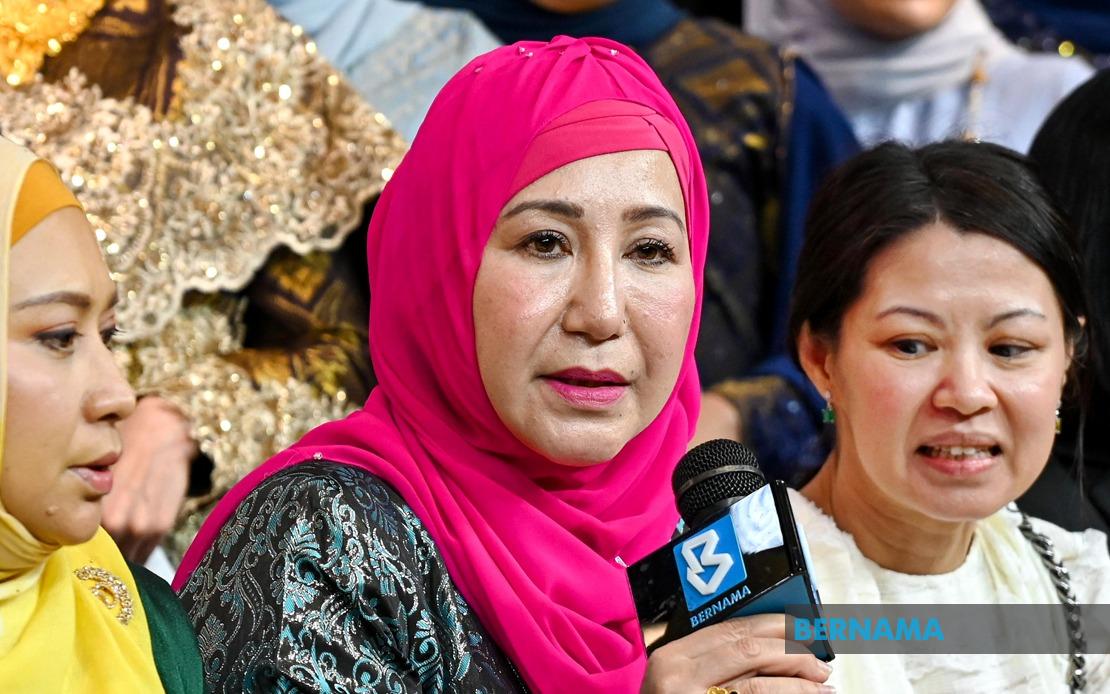
The Persatuan Usahawan Wawasan Wanita Malaysia (WAWASANITA) is moving ahead with an ambitious plan to establish a comprehensive food manufacturing and packaging facility in Sungai Besar, seeking to transform how Malaysia's rural entrepreneurs approach food production and international trade. The initiative represents a significant shift in strategy for small-scale operators who have traditionally worked in isolation, constrained by limited access to modern processing equipment, standardised packaging solutions, and established distribution networks that would allow their products to compete on the global stage.
President Dr Norli @ Norlaili Alias outlined the scope of the endeavour during a public announcement in Sungai Besar, emphasising that the project would involve collaboration among more than 60 non-governmental organisations, established industry participants, professional associations, and local village leadership. This broad coalition reflects recognition that rural economic development requires coordination across multiple stakeholders rather than piecemeal interventions. By bringing together diverse actors within a structured framework, WAWASANITA intends to create an ecosystem where knowledge transfer, resource sharing, and collective problem-solving become embedded in daily operations.
Central to the hub's value proposition is the standardisation and enhancement of product quality through deployment of contemporary manufacturing technologies. Currently, many rural food producers operate under constraints that limit shelf life, compromise packaging aesthetics, and reduce competitive positioning in retail environments. The facility would address these deficiencies by providing access to professional-grade packaging equipment, food safety systems, and quality assurance protocols that individual entrepreneurs cannot justify financing independently. This pooled approach to infrastructure investment reduces capital barriers for entry and enables smaller operators to meet the stringent requirements demanded by modern retail distribution channels and export protocols.
The branding strategy represents perhaps the most innovative dimension of the proposal. Rather than marketing dozens of products under disparate family names or generic regional identifiers, WAWASANITA plans to consolidate offerings under a unified international brand such as "Kerepek International." This strategy mirrors successful models employed by cooperative export enterprises across Southeast Asia, where aggregation of supply and consistent brand identity create marketing efficiency and consumer recognition that individual producers cannot achieve alone. For Malaysian entrepreneurs, particularly those positioned in rural areas with limited metropolitan exposure, such brand consolidation opens pathways to supermarket chains and online retailers that require minimum order quantities and consistent product availability.
The projected financial impact is substantial. According to Dr Norli's estimates, the hub initiative could generate sales and profit margin increases of approximately 30 per cent for participating entrepreneurs. This projection assumes that improved product quality, professional packaging, and access to established distribution channels will justify price premiums and reduce waste-related losses. For rural households dependent on supplementary income from food production, such margin improvements represent meaningful enhancement to household cash flow and economic security. The multiplier effects ripple through local economies as increased entrepreneur income supports demand for local services and agricultural inputs.
Market access represents another transformative dimension. By providing logistical support, certification assistance, and buyer connections, the hub seeks to facilitate entry into overseas markets for products that have historically remained confined to domestic consumption. Snack foods—particularly localised varieties such as traditional chips and crackers—have demonstrated strong performance in diaspora communities and specialty retail channels across developed economies. Malaysian products benefit from quality associations and cultural authenticity that create differentiation in competitive markets. The hub model essentially professionalises the export pathway that informal producers have previously navigated independently or not at all.
The initiative received visible political endorsement during the Sungai Besar announcement, with attendance by Datuk Mohd Razlan Muhammad Rafii, Political Secretary to the Rural and Regional Development Minister. Such high-level participation signals government recognition of rural entrepreneurship as policy priority and suggests potential for alignment with broader rural development programming and funding mechanisms. This positioning matters significantly for Southeast Asian entrepreneurs who frequently encounter regulatory and infrastructure barriers that require government facilitation to overcome. Political backing can accelerate approvals for facilities, facilitate access to development financing, and create priority designation within broader economic development frameworks.
Parallel to the hub announcement, WAWASANITA distributed offer letters to 20 Selangor entrepreneurs undertaking expansion into car detailing and mobile coffee service businesses. While distinct from food manufacturing, these initiatives reflect consistent organisational focus on supporting diverse rural and semi-rural business activities. The concurrent distribution of welfare contributions to 16 asnaf children indicates integration of social support objectives alongside economic development programming. This multi-dimensional approach recognises that entrepreneurship functions within social and family contexts that require complementary support mechanisms.
For Malaysian policymakers and development practitioners, the WAWASANITA initiative offers instructive lessons regarding rural economic strategy. Rather than attempting to relocate agricultural or subsistence communities toward urban employment or conventional wage work, the hub model strengthens existing livelihood activities through technological upgrading, market facilitation, and collective action. This approach aligns with rural development theory emphasising in-situ improvement of existing economic activities. For entrepreneurs themselves, the hub provides transition mechanism from informal, household-scale production toward formalised, export-capable enterprise without requiring individual capacity to undertake such transition independently.
The sustainability of the initiative depends significantly on whether hub governance structures support equitable value distribution among participants, whether technological support translates into improved technical capacity among entrepreneurs, and whether marketing infrastructure successfully places products in viable retail channels. International experience suggests that producer cooperatives and collective marketing initiatives perform most effectively when member participation in governance is substantive, when training and business support accompany infrastructure provision, and when market linkages reflect realistic assessment of consumer demand rather than aspirational export targets.
As Malaysia continues pursuing diversified rural development strategies and seeks to increase value-added production from agricultural and food sectors, models such as the Sungai Besar food hub deserve attention for replication and adaptation across additional regions. The integration of infrastructure investment, collective branding, professional support services, and political facilitation creates conditions for meaningful improvement in rural entrepreneur viability. For consumers globally, such initiatives potentially increase availability of authentic Malaysian food products while supporting livelihoods throughout rural Malaysia's entrepreneurial communities.

