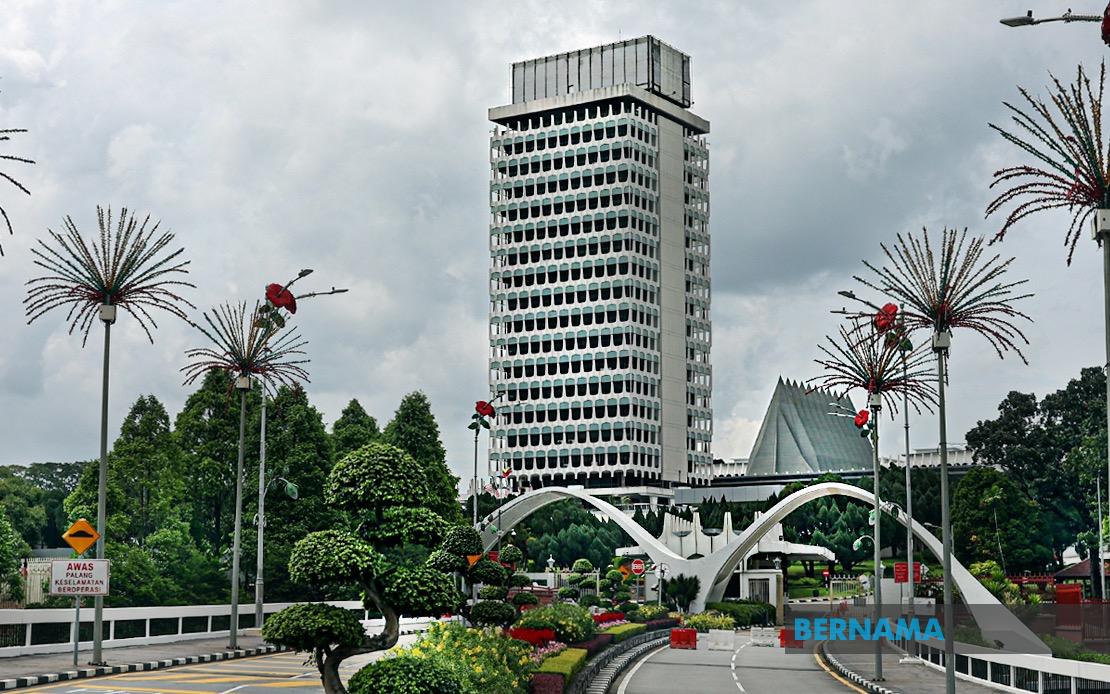
The Malaysian Parliament is convening today to tackle a trio of pressing policy issues spanning infrastructure resilience, consumer protection, and digital governance. Among the focal points of this Dewan Rakyat sitting are government strategies to expand Johor's water supply infrastructure, measures to empower the Malaysia Competition Commission in curbing anti-competitive conduct in the housing sector, and the rationale behind mandating age verification for social media users. These discussions underscore the government's multifaceted approach to addressing immediate economic concerns while establishing safeguards in the digital realm.
Water security remains an acute challenge for Malaysia, particularly in Johor, which has long grappled with seasonal shortages that strain domestic and industrial consumption. Suhaizan Kaiat, the parliamentarian representing Pulai under the Pakatan Harapan coalition, will press the Energy Transition and Water Transformation Minister to elaborate on comprehensive plans designed to boost Johor's water resource capacity. The inquiry will seek clarity on the government's roadmap for constructing new dams, expanding water treatment infrastructure, and harnessing recycled water as a supplementary source. These interventions are critical as Johor's population and economic activity continue to expand, necessitating a robust and diversified water supply framework that can withstand both demographic growth and climatic variability.
The emphasis on long-term planning reflects a recognition that ad-hoc responses to water crises are insufficient. Dams serve as strategic reserves during dry spells, treatment plants ensure water quality standards, and recycled water programmes unlock alternative supplies that reduce dependency on conventional sources. For a state experiencing rapid industrial and residential development, such integrated infrastructure is essential to maintaining economic momentum while safeguarding public welfare. This discussion carries significance beyond Johor's borders, as water scarcity challenges affect multiple Southeast Asian economies and policymakers across the region monitor Malaysia's adaptive strategies.
The second major topic centres on strengthening the Malaysia Competition Commission's capacity to scrutinise the housing market. Datuk Seri Ismail Abd. Muttalib, the Maran representative from Perikatan Nasional, will interrogate the Domestic Trade and Cost of Living Minister about MyCC's enforcement tools and effectiveness in combating anti-competitive practices that inflate housing prices. Housing affordability has emerged as a critical socioeconomic issue in Malaysia, with many citizens priced out of property ownership by speculative pricing and potential market manipulation. The MyCC's role in investigating collusive behaviour, artificial price-fixing, and unfair market practices is therefore central to protecting consumer interests and ensuring competitive dynamics that align prices with genuine supply-and-demand fundamentals.
The housing market's opacity and structural barriers to entry create conditions where anti-competitive conduct can flourish unchecked. By strengthening MyCC's investigative capabilities and monitoring protocols, the government aims to deter developer cartels and ensure that housing packages reflect genuine competition rather than coordinated price-setting. This inquiry signals a willingness to confront vested interests within the property sector, though the practical effectiveness of such oversight will depend on adequate resourcing, regulatory clarity, and political commitment to enforcement. For Malaysian consumers and young homebuyers, the outcome of this parliamentary discussion could have tangible implications for housing accessibility.
The third issue on the agenda concerns age verification mechanisms for social media platforms, a regulatory frontier that reflects growing global concern over minors' exposure to harmful content and data privacy. Syahredzan Johan, representing Bangi under Pakatan Harapan, will query the Communications Minister on the government's objectives in mandating age verification and the safeguards protecting personal data collected during this process. Age verification technology has attracted scrutiny from privacy advocates who worry that platforms might retain or misuse biometric and identity information beyond the scope of age determination. The parliamentary question will probe whether licensed service providers are contractually obligated to collect only essential data attributes and to delete information once verification is complete.
This inquiry touches on a fundamental tension in digital governance: protecting children from inappropriate content while preserving user privacy and avoiding surveillance infrastructure that extends beyond legitimate regulatory purposes. Malaysia's approach to age verification will likely influence how other Southeast Asian nations frame similar policies. The implementation details—whether verification relies on government IDs, third-party validators, or age-guessing algorithms—carry profound implications for data security and consent frameworks. By demanding transparency from the Communications Ministry about data minimisation principles and deletion protocols, parliament is signalling that age protection cannot justify blanket data collection or indefinite retention.
The broader context of this parliamentary sitting reflects a government keen to demonstrate responsiveness to diverse stakeholder concerns. Water security appeals to both urban residents and industrial users; housing market reform resonates with the aspirations of younger Malaysians seeking property ownership; and digital age verification addresses parental anxieties about child safety online. Yet these issues also reveal tensions between developmental imperatives, market competition, and individual rights. Infrastructure expansion requires capital and environmental stewardship; market liberalisation can conflict with price stability; digital oversight can slide toward surveillance if not carefully circumscribed.
The 16-day parliamentary session extending through July 16 provides ample opportunity for deeper legislative engagement beyond today's Question Time exchanges. Subsequent motions, debate contributions, and committee work may yield concrete policy instruments to address these challenges. However, the effectiveness of parliamentary scrutiny depends on rigorous questioning, evidence-based responses from ministers, and genuine follow-through on commitments made in the chamber. For Malaysian citizens and businesses tracking these issues, today's sitting marks the beginning of a process that will shape water infrastructure investment, consumer protection in housing, and digital governance standards for years ahead.