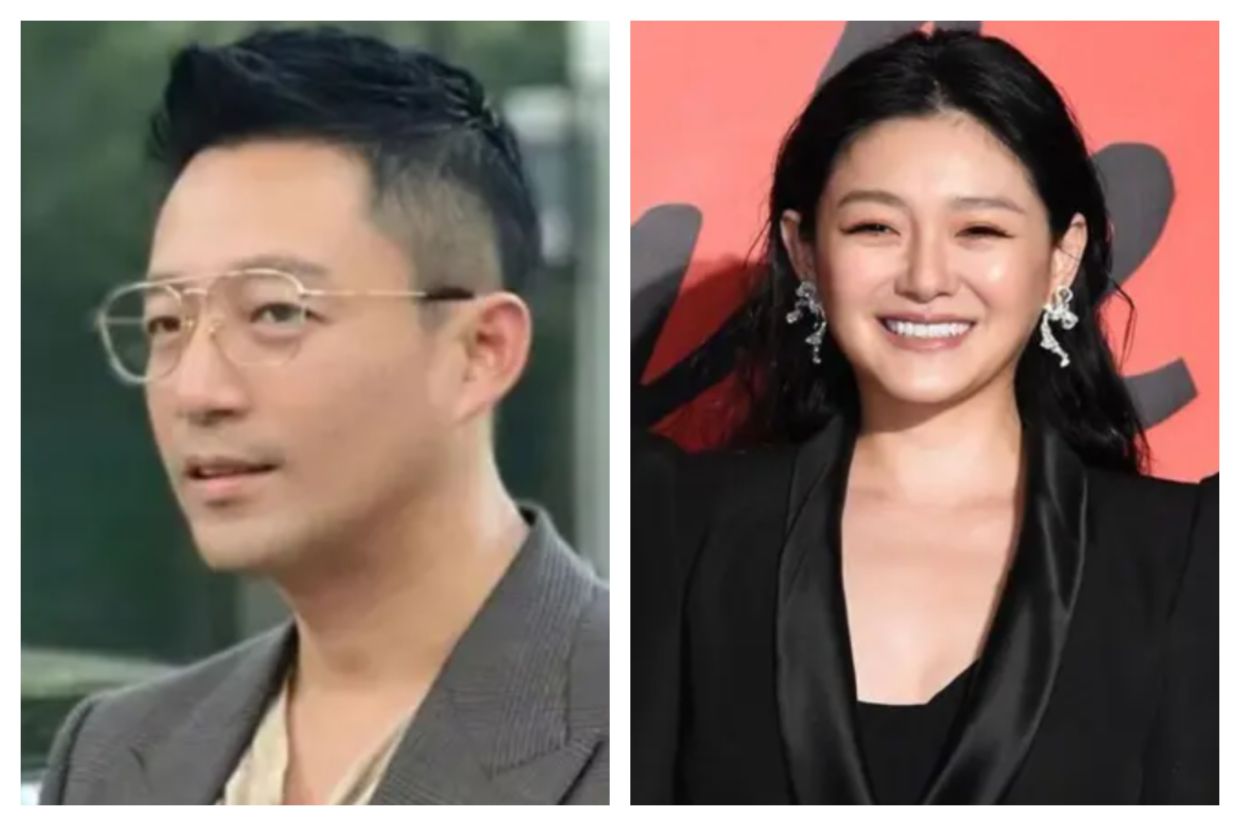
Chinese entrepreneur Wang Xiaofei has stepped into the public spotlight to clarify mounting speculation surrounding the estate of his late ex-wife, Taiwanese actress Barbie Hsu, emphasising his respect for her decision to allocate one-third of her assets to her second husband, Korean singer and DJ Koo Jun-yup. The statement, issued through his representative in early July, came as various unsubstantiated claims circulated in regional media about the management of Hsu's substantial inheritance and potential financial difficulties facing her family members.
The couple's 11-year marriage ended in divorce during 2021, producing two children who remain minors. Hsu subsequently rekindled a romantic relationship with Koo, whom she had initially met in 1998, and the pair married before her death from pneumonia in 2025. The inheritance matter has become complicated by both the multi-jurisdictional nature of Hsu's assets and the competing interests of various family members across Taiwan, South Korea, and mainland China, making clear communication essential to prevent further misunderstandings.
According to details released by Wang's representative, two-thirds of Hsu's estimated 600 million yuan estate, approximately RM361 million, has been designated for the two minor children and placed into specially established trust funds to ensure their financial security and provide professional management of the assets. This arrangement reflects a common practice in high-net-worth estate planning, where minor beneficiaries' inheritances are held in trust rather than transferred directly, protecting the funds from potential mismanagement or undue influence. Wang has recently taken the additional step of petitioning the courts to appoint a special representative dedicated specifically to safeguarding the children's legal interests throughout the inheritance process.
The remaining third of Hsu's estate, which Koo is legally entitled to claim as Hsu's surviving spouse, presents a separate matter entirely. Wang's spokesperson clarified that Koo retains complete autonomy over how he utilises his share of the inheritance, and that Wang respects whatever decisions the Korean entertainer makes regarding his portion. This measured stance signals an attempt to move beyond the adversarial framing often associated with blended family inheritance disputes, instead emphasising dignity and respect for the deceased's documented wishes.
A significant source of public concern has been persistent rumours that Hsu's residential property was placed under auction procedures due to accumulated unpaid mortgage obligations. Adding to these concerns were claims from Hsu's mother that she faced potential eviction from the family home. Wang's representative has categorically denied these allegations, providing a detailed explanation of the mortgage situation that demonstrates ongoing financial responsibility. According to the statement, Wang has consistently maintained the mortgage payments on the property since Hsu's death, with these obligations having been transferred to the children's trust accounts as part of the overall estate management.
Crucially, the representative also disclosed that Wang has explicitly assured Hsu's mother of her continued welcome in the residence and has made clear that he harbours no intention of requesting her departure. This clarification addresses what appeared to be a coordinated disinformation campaign designed to portray Wang as either financially irresponsible or callous toward his ex-wife's family—allegations that the evidence contradicts. The statement underscores the distinction between legal ownership of assets and moral obligations to vulnerable family members, suggesting a more nuanced approach to the inheritance situation than tabloid coverage had implied.
Hsu's estate comprises a geographically and legally diverse portfolio that reflects her successful entertainment career across multiple markets. The assets include a high-value residential property located at the National Taiwan Museum of Fine Arts, a luxury penthouse unit, and significant financial assets that Hsu received as part of her divorce settlement agreement with Wang. Managing such a complex collection of holdings across different jurisdictions requires sophisticated coordination between Taiwanese courts, financial institutions, and legal representatives, a process that media speculation has only served to complicate.
The administration of Hsu's inheritance is proceeding under formal court supervision, with a court-appointed lawyer overseeing the distribution process to ensure compliance with applicable inheritance law and the terms specified in Hsu's estate documents. This institutional framework provides an important counterbalance to informal family decision-making and helps prevent disputes between beneficiaries. The involvement of judicial oversight also establishes a clear audit trail and creates accountability for all parties involved in managing and distributing the estate.
Wang's decision to publicly address these matters reflects both the intense media scrutiny surrounding high-profile figures in East Asia and the potential harm that unverified rumours can inflict on grieving families. By releasing a comprehensive statement addressing the key points of speculation—the property situation, the children's financial security, the mother's residence, and Koo's entitlements—Wang's camp has attempted to establish a factual record that can counter ongoing misinformation campaigns. The appeal for media restraint suggests frustration with sensationalised coverage that prioritises dramatic narratives over accurate reporting.
For Malaysian observers and readers across Southeast Asia, this inheritance saga offers several instructive lessons about the complexities of managing estates involving international assets and blended families. The situation underscores the importance of clear estate planning, formal trust arrangements for minor beneficiaries, and transparent communication with all stakeholders. Additionally, the case highlights how quickly media speculation can create damaging rumours that obscure factual realities, particularly in cases involving deceased individuals who cannot defend themselves or their legacies. Wang's measured public response demonstrates one approach to combating misinformation while emphasising respect for the deceased's wishes and the wellbeing of surviving family members.

