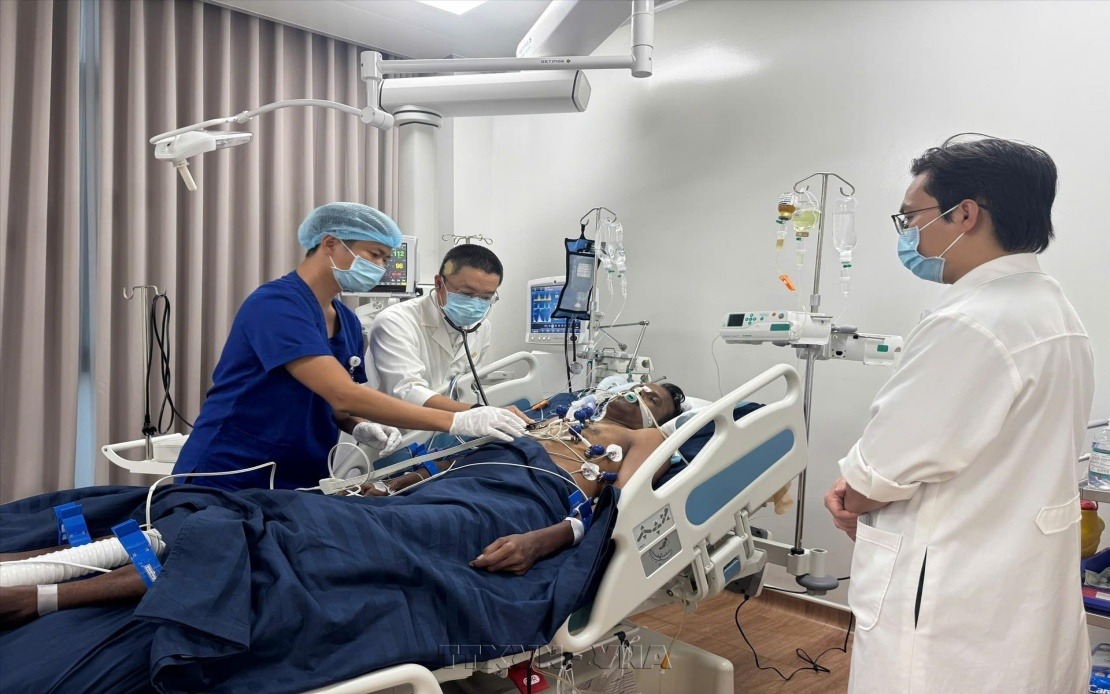
The Phu Quoc Special Zone in An Giang province has launched a comprehensive response to a devastating speedboat accident on July 11 that claimed multiple lives among Indian nationals. Coordinating across multiple agencies, the region's authorities have mobilised rescue personnel, medical teams, and logistical support to manage the emergency situation and provide immediate care to the injured whilst navigating the complex process of repatriating the deceased.
The emergency response began almost instantaneously when Sun Group International Hospital received notification of the incident. The facility declared a hospital-wide "code red" alert, activating its most intensive protocols for mass casualty management. Specialised rescue teams and ambulances were dispatched directly to the accident scene, whilst the hospital's entire workforce shifted into emergency mode to receive and treat incoming patients. This rapid institutional response demonstrated the established disaster management procedures that have been developed across Vietnam's healthcare system.
The intensity of medical intervention became apparent in the hours immediately following the accident. Two patients arrived in critical condition with severe injuries requiring sustained resuscitation efforts lasting nearly two hours. Through intensive medical intervention, both critically injured individuals were eventually stabilised and transferred to the intensive care unit where they regained consciousness and entered a stable phase of recovery. This outcome reflected the technical capability and resource availability at the facility, though it underscored the severity of injuries sustained by some victims.
By early evening on July 11, the hospital's emergency department had processed 15 additional patients, all of whom were conscious upon arrival. These individuals underwent comprehensive medical examinations, trauma assessments, and supportive treatment protocols to address their injuries and prevent complications during the recovery phase. The sheer volume of simultaneous admissions tested the hospital's capacity management systems, yet the facility maintained operational efficiency throughout the admission and triage process.
Dr. Nguyen Quang Thang, directing operations at Sun Group International Hospital, highlighted the ongoing challenges facing two patients with severe respiratory compromise. One of these individuals demonstrated clinical improvement and was progressing toward potential discharge, pending continued monitoring. The second patient, however, remained hospitalised due to underlying medical conditions that complicated the respiratory failure. The hospital has escalated this case through a coordination arrangement with Cho Ray Hospital in Ho Chi Minh City, one of Vietnam's leading tertiary centres, to provide specialised intensive care whilst prognosis remains guarded.
Beyond immediate medical intervention, the Phu Quoc Special Zone administration has moved swiftly to address the financial and administrative dimensions of the disaster. Tran Minh Khoa, Chairman of the People's Committee, outlined a two-tiered financial assistance framework combining private sector contribution with government support. The speedboat operator has committed to providing 1,000 USD to each bereaved family and 500 USD to each injured passenger, representing immediate compensation reflecting operator responsibility for the incident.
The local government has supplemented this private contribution with a standardised payment of approximately 26 million Vietnamese Dong—equivalent to roughly 1,000 USD—for each confirmed fatality. This additional government support reflects official recognition of the disaster's impact whilst ensuring bereaved families receive structured financial assistance during their immediate crisis period. The dual compensation structure, combining operator and government resources, represents a comprehensive approach to economic support whilst the investigation into accident causation proceeds.
Parallel to financial assistance, Vietnamese authorities are executing the complex procedural requirements surrounding transnational fatalities. Civil registration procedures must be completed in accordance with Vietnamese law whilst coordinating with diplomatic authorities to facilitate proper repatriation of deceased individuals to their families in India. These processes require meticulous attention to legal formality, documentation, and cross-border protocol to ensure dignified handling of the deceased and smooth communication with Indian diplomatic missions operating in Vietnam.
For Malaysian and Southeast Asian observers, this incident underscores the recurring challenges facing regional tourism and maritime transport sectors. Phu Quoc has emerged as a major tourism destination within Vietnam's development strategy, attracting international visitors including substantial numbers from India. The speedboat accident highlights the safety infrastructure gaps that can persist in rapidly developing tourism zones despite significant investment in resort and hospitality facilities. Questions surrounding vessel maintenance standards, operator licensing, passenger safety protocols, and insurance coverage mechanisms represent broader regional concerns affecting maritime transport across Southeast Asia.
The Vietnamese response, whilst comprehensive in scope, also reflects the capacity constraints that characterise emergency management in developing economies. The reliance on Sun Group International Hospital—a private facility operated by a major conglomerate—for managing mass casualties raises questions about public healthcare system capacity and the role of private sector infrastructure in addressing public health emergencies. This pattern mirrors challenges across Southeast Asia where tourism-dependent regions often depend on private medical facilities despite government responsibility for emergency response.
Regionally, this accident serves as a cautionary reminder regarding the safety implications of rapid tourism expansion. Countries throughout Southeast Asia, including Malaysia, have experienced similar incidents as speedboat and water tourism operations have proliferated without uniform regulatory oversight. The incident prompts examination of whether existing maritime safety standards, operator certification requirements, and passenger protection mechanisms adequately address risks inherent in high-speed water transport serving international tourists.

