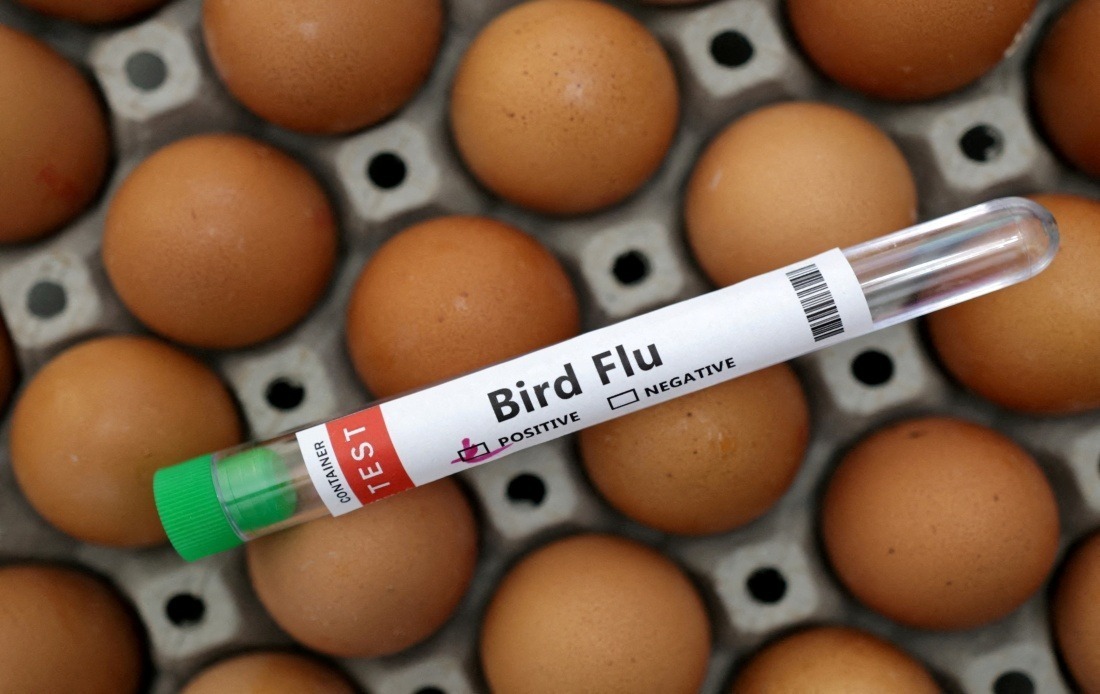
Victoria has become Australia's first state to implement mandatory indoor housing requirements for poultry producers as detections of H5N1 avian influenza accelerate across the region. The decision marks a significant escalation in biosecurity protocols, moving beyond existing voluntary measures to establish a binding regulatory requirement aimed at containing the virus's spread among commercial and hobbyist bird operations.
The new directive will compel anyone managing flocks exceeding 50 birds to maintain their animals indoors, at least for an initial 14-day period subject to review. This threshold design targets commercial poultry facilities while encompassing substantial hobby operations, reflecting authorities' concern that the virus's transmission pathway now poses meaningful risk to agricultural production. Agriculture Minister Michaela Settle characterised the intervention as fundamentally "proactive" and "precautionary," emphasising that isolation from wild bird populations represents the most effective defence against viral contamination of domestic flocks.
The tightening of restrictions follows fresh geographic expansion of H5N1 within Victoria. State Chief Veterinary Officer Graeme Cook identified newly affected localities including Yambuk, Apollo Bay, and Clyde as reasons for strengthening the official response. Each outbreak location in a new area suggests the virus is establishing itself across broader regions rather than remaining confined, intensifying pressure on policymakers to prevent spillover into commercial agriculture where economic consequences would be severe.
Federal authorities confirmed the emergence of additional cases on Friday, with Australian Chief Veterinary Officer Beth Cookson reporting that testing had identified 20 fresh positive detections in Victoria. Notably, these infections were concentrated in greater crested terns concentrated around Portland and Nelson, indicating that waterbirds remain the primary reservoir and vector for H5N1 circulation in the country. The pattern of wild bird infections preceding any agricultural cases has guided the preventive rather than reactive stance adopted by state authorities.
Nationally, Australia has now documented 175 confirmed or presumed positive H5 detections according to available testing data. However, a critical distinction emerges in these figures: all detected cases have involved wild birds, particularly water and coastal species. No infections have been identified within poultry operations or Australia's broader agricultural production system, suggesting that current management practices and the geographic separation of commercial farms from affected wildlife zones have proven effective as containment barriers. This geographic advantage remains fragile, contingent on preventing increased contact between wild reservoirs and domestic birds.
Government messaging has consistently downplayed human health risks, with officials publicly confirming that the threat to Australian population remains minimal. Such assurances reflect established epidemiological understanding: H5N1, while occasionally transmissible to humans with direct animal contact in rare circumstances, requires prolonged exposure and typically affects individuals already handling infected birds. The low-risk assessment provides context for understanding the lockdown as animal health policy rather than emergency public health response, though precautionary framing suggests authorities recognise the need to prevent any escalation scenario.
The indirect economic impacts, however, extend beyond farms. Public anxiety surrounding avian influenza prompted cultural institutions to take preventive measures independent of government mandate. The Royal Adelaide Show, a significant annual event, announced cancellation of scheduled bird and poultry exhibits for the forthcoming month, prioritising visitor and animal safety over traditional programming. Such voluntary closures reflect how biosecurity concerns influence institutions beyond the agricultural sector, creating cascading effects across regional economies and tourism-adjacent industries dependent on these events.
For Malaysian readers and Southeast Asian observers, Victoria's response merits attention as a regional precedent and cautionary case study. Australia's relative isolation, advanced veterinary infrastructure, and coordinated federal-state governance have enabled rapid detection and response protocols. Yet the persistence of H5N1 across wild bird populations demonstrates that geographic containment alone proves insufficient when dealing with migratory waterfowl that traverse international boundaries. Southeast Asian nations, sharing migratory bird flight paths with Australia and maintaining closer agricultural proximity to human populations, face compounded vulnerabilities that require examining how jurisdictions like Victoria mobilise resources and enforce biosecurity during viral spread.
The Victorian mandatory housing order also signals broader shifts in agricultural regulation toward anticipatory governance. Rather than waiting for contamination within production systems, regulators have opted for universal precautions affecting all significant operations. This approach carries implementation costs and potential compliance challenges, particularly for smaller producers and hobby farmers less accustomed to intensive confinement protocols. Yet authorities evidently judge these burdens acceptable when balanced against the catastrophic economic consequences should H5N1 become established in commercial poultry populations, where disease could spread with devastating speed across interconnected supply chains.
Victoria's situation remains fluid. The 14-day initial timeframe suggests that authorities anticipate either rapid containment through isolation measures or escalating need for extended restrictions. Continued surveillance of wild bird populations and systematic testing at poultry operations will provide the epidemiological foundation for deciding whether indoor housing requirements transition from temporary emergency measure to sustained agricultural practice. The strategic ambiguity in this timeline reflects uncertainty about trajectory—authorities cannot predict whether the outbreak will stabilise, expand into new regions, or penetrate commercial operations.

