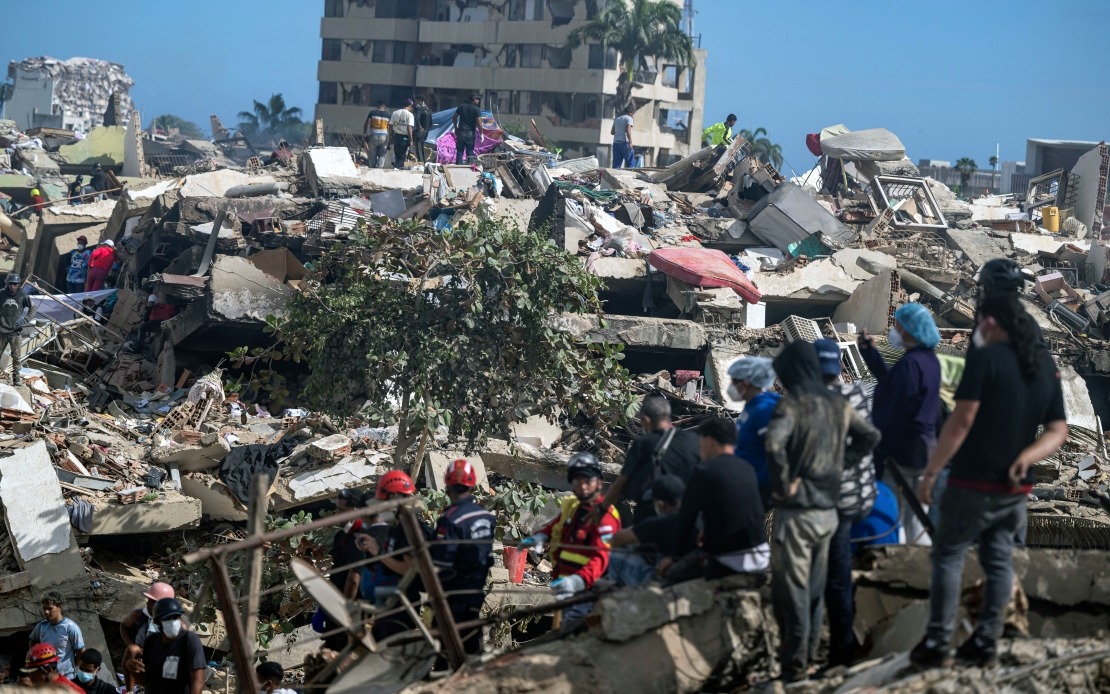
Northern Venezuela reels from the aftermath of a devastating seismic event that has claimed 2,295 lives and left tens of thousands injured and homeless. National Assembly President Jorge Rodriguez disclosed the grim toll during a televised address on Wednesday, marking a significant escalation in the confirmed impact of the twin earthquakes that struck on June 24. The announcement underscores the scale of one of the region's most destructive natural disasters in recent memory, with ripple effects that extend across the humanitarian, economic, and political landscape of the crisis-stricken nation.
The humanitarian toll continues to mount as rescue operations press forward across the stricken zones. According to Rodriguez's briefing, documented injuries have reached 11,267 individuals, while official figures show that 12,841 people have been displaced from their homes and communities. These numbers represent merely the confirmed cases logged through formal channels; the true extent of displacement and minor injuries likely exceeds official tallies, given the disruption of administrative systems in affected areas and the prevalence of informal settlements. The scale of displacement poses immediate challenges for shelter provision, food security, and disease prevention in regions already struggling with economic collapse.
Emergency response operations have deployed more than 4,000 personnel across the affected territories, demonstrating a significant mobilization of domestic resources. These rescue teams have extracted 6,461 survivors from collapsed structures, a figure that illustrates both the severity of structural damage and the ongoing potential for locating survivors in the days following the initial seismic events. The continued recovery of people from rubble offers crucial opportunities for saving lives, though the window for finding survivors typically narrows sharply after the first week following a major earthquake. The scale of this rescue operation represents a considerable strain on Venezuela's already-taxed emergency services and infrastructure.
Satellite imagery analysis conducted by NASA provides sobering perspective on the infrastructure damage wrought by the seismic event. Preliminary assessments indicate that more than 58,000 buildings sustained damage or destruction across the affected region. This extensive architectural devastation has profound implications for Venezuela's already fragile housing situation and economic capacity for reconstruction. The destruction of residential, commercial, and institutional structures removes crucial assets from communities already contending with severe shortages of basic goods and services. For a nation experiencing prolonged economic contraction, the reconstruction burden represents an extraordinary challenge to limited financial resources and technical capacity.
The seismic sequence itself comprised a powerful pair of earthquakes, with magnitudes recorded at 7.2 and 7.5, followed by an extraordinary cascade of secondary tremors. Electoral and municipal records document 782 aftershocks since the initial doublet, a frequency suggesting considerable accumulated strain in the regional geological fault system. While seismologists have observed a declining trend in both the frequency and intensity of these subsequent tremors over the preceding 48 hours, Rodriguez emphasized that the seismic hazard persists. The continued possibility of significant aftershocks remains a critical concern for rescue personnel operating amid structurally compromised buildings and for communities attempting to cope with the immediate crisis.
The international response has been remarkable in scope and swiftness. Rescue teams representing more than 30 countries have deployed to Venezuela to assist in search and recovery operations, demonstrating the cross-border solidarity that major humanitarian disasters can mobilize even amid political tensions. This multinational effort enhances Venezuela's domestic capacity substantially, bringing specialized equipment, trained personnel, and technical expertise that might otherwise be unavailable. The United Nations, recognizing the scale of casualties, has initiated procurement of 10,000 body bags, a logistics decision that underscores the magnitude of fatalities being anticipated as rescue operations conclude and recovery efforts transition to identifying and processing deceased individuals.
For Malaysian readers and Southeast Asian observers, the Venezuelan earthquake carries instructive lessons regarding disaster preparedness and international humanitarian response. Southeast Asia sits atop multiple tectonic boundaries and faces comparable earthquake risks, particularly in Indonesia, the Philippines, and parts of Malaysia. The Venezuela disaster demonstrates the catastrophic consequences when seismic hazards strike densely populated areas with vulnerable building stock. It also illustrates the critical importance of international coordination mechanisms and the capacity of regional neighbors to mobilize rapid, effective assistance when disasters exceed domestic capacity. The response coordination among 30 countries offers a template for ASEAN nations considering strengthened regional disaster response protocols.
Venezuela's pre-existing humanitarian crisis compounds the earthquake's impact in ways distinct from seismic disasters in more stable nations. The country's economic collapse, currency devaluation, and breakdown of state capacity mean that recovery will unfold amid scarcity of food, fuel, and medicines. Hospital damage threatens already-compromised healthcare systems, potentially creating secondary health catastrophes among the injured and displaced. Supply chain disruptions and shortage of reconstruction materials will hinder rebuilding efforts. The psychological and social trauma of the earthquake intersects with longer-term displacement, loss of livelihood, and ongoing political instability that has characterized Venezuela for years. This convergence of natural disaster with chronic state failure creates humanitarian conditions of exceptional severity.
The psychological and social dimensions of the crisis deserve equal attention to physical casualties and structural damage. Survivors face not only the immediate trauma of experiencing a powerful earthquake but also the prospect of prolonged displacement and uncertain housing prospects. Families separated by the disaster must navigate communication challenges in a nation where internet connectivity is sporadic and telecommunications infrastructure is degraded. Mental health services, already inadequate in Venezuela, face overwhelming demand that will far exceed available resources. The disaster's social cohesion effects and implications for migration pressures represent longer-term considerations extending well beyond the immediate rescue and recovery phases that currently dominate international news coverage.

