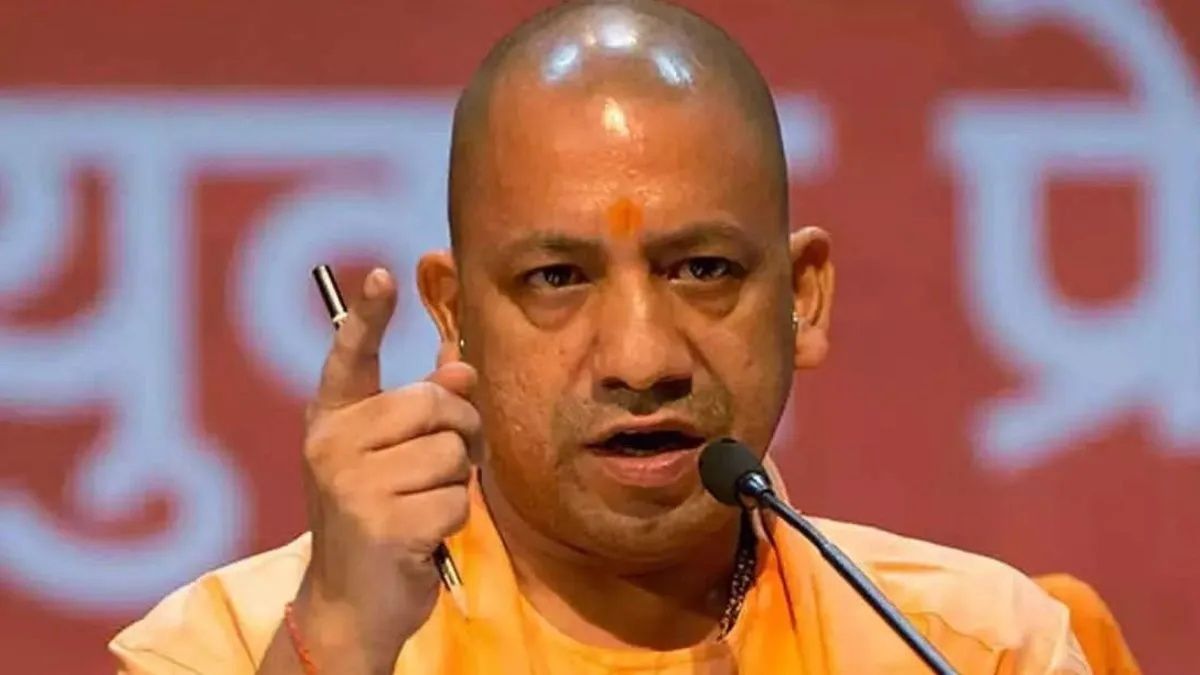
Uttar Pradesh Chief Minister Yogi Adityanath has issued a stern warning that the state government will not tolerate any interference with people's religious sentiments, responding to an ongoing investigation into alleged misappropriation of donations at the Shri Ram Janmabhoomi Teerth Kshetra in Ayodhya. His remarks follow the filing of the first formal police complaint in the matter after a special investigation team submitted its report to authorities in the northern state.
Addressing a gathering in Deoria on Friday during the inauguration of several infrastructure projects, the Chief Minister pledged that his administration would act decisively once the SIT findings were received. He stressed that the government's commitment to separating verified facts from false narratives remained unwavering, and that no individual or organisation would be permitted to operate without accountability when it came to matters touching on public trust. This stance reflects the sensitive nature of the Ayodhya temple, which holds profound spiritual significance for millions across India and particularly for the state's electorate.
The Shri Ram Janmabhoomi Teerth Kshetra, the trust managing the newly constructed Ram Temple in Ayodhya, has faced scrutiny over its financial management since the temple's inauguration in early 2024. The donation controversy assumes particular weight given that the temple complex is one of the most significant religious projects in recent Indian history, drawing pilgrims and devotees from across the country. Any allegations of financial impropriety risk damaging public confidence not only in the institution itself but in religious governance more broadly.
Yogi Adityanath used the occasion to invoke the historical context of the Ram Temple movement, reminding the audience of its decades-long struggle and the broader cultural battles surrounding its construction. He characterised criticism levelled at the state government as emanating from political opponents who had previously opposed the entire temple project, suggesting that their current allegations about faith-tampering lack genuine conviction. This framing reflects the deeply polarised nature of Indian politics, where the Ram Temple remains a potent symbol dividing different ideological camps.
In particular, the Chief Minister directed criticism toward the Congress and the Samajwadi Party, claiming these organisations had historically denied the existence of Ram and resisted the temple's construction through prolonged court battles. He alleged that these same groups had previously incited communal riots during major Hindu festivals, including Ram Navami celebrations and the Kanwar Yatra pilgrimage, while simultaneously claiming moral authority over questions of faith today. Such accusations, whether historically accurate or debatable, highlight how religious incidents in Uttar Pradesh continue to shape political discourse and inter-party relations.
Yogi's invocation of the "Lar riot" appears to reference historical communal violence that opponents have attributed to administrative failures under previous governments. By recalling such episodes, he attempted to establish a narrative wherein his administration has fundamentally altered state governance by prioritising Hindu religious concerns, thereby gaining electoral support from constituencies that felt previously marginalised. This political positioning remains central to the Bharatiya Janata Party's strategy in Uttar Pradesh, India's most populous state.
The Chief Minister's appeal to Ram devotees not to "test the patience" of believers represented a subtle but significant rhetorical strategy, transforming potential criticism of the government's own institution into an affront against religious sentiments more broadly. By conflating institutional accountability with religious disrespect, he attempted to preempt further investigation or public scrutiny by framing such oversight as anti-Hindu. This approach risks creating a climate where examining the Ram Temple's finances becomes politically fraught, complicating efforts at transparent governance.
Yogi urged opposition voices to either produce concrete evidence supporting their allegations or desist from making accusations without substantiation. He simultaneously called for full cooperation with the special investigation team, suggesting that political actors should refrain from public commentary while investigations proceed. This dual message—demanding both evidence and silence—creates tension, as transparency typically requires ongoing public discourse rather than moratoriums on discussion until official investigations conclude.
The broader context for understanding this controversy involves questions about religious institution governance across South Asia. As temples, mosques, and other faith institutions accumulate substantial donations and manage significant physical infrastructure, questions about financial accountability become increasingly pressing. In Malaysia and the region, similar issues have periodically emerged regarding the management of religious endowments and charitable funds, underscoring that questions of institutional transparency transcend specific religious traditions or national borders.
For Malaysian observers, the Uttar Pradesh case illustrates the challenges that arise when religious institutions operate within majoritarian political frameworks. The politicisation of institutional oversight—where questioning financial practices becomes reframed as attacking religious faith itself—creates barriers to the kind of transparent governance that builds long-term public confidence. This pattern has relevance for Southeast Asian contexts where religious institutions similarly navigate between institutional autonomy and public accountability.
Yogi's insistence that the government will follow the SIT's recommendations suggests that action will proceed, though the Chief Minister's strongly worded political statements may influence public perception of any eventual findings. The case demonstrates how religious sentiment and political calculation intersect in managing major faith institutions, particularly in contexts where religious identity and political alignment have become significantly intertwined. As investigations continue, the balance between institutional transparency and protection of religious sentiment will likely remain contested.
The donation case has acquired symbolic importance beyond its immediate financial dimensions, representing broader questions about how modern India manages the relationship between religious faith and institutional accountability. The resolution of this matter may establish precedents for how other faith-based organisations in India—and potentially across the region—address similar governance challenges while maintaining public trust.

