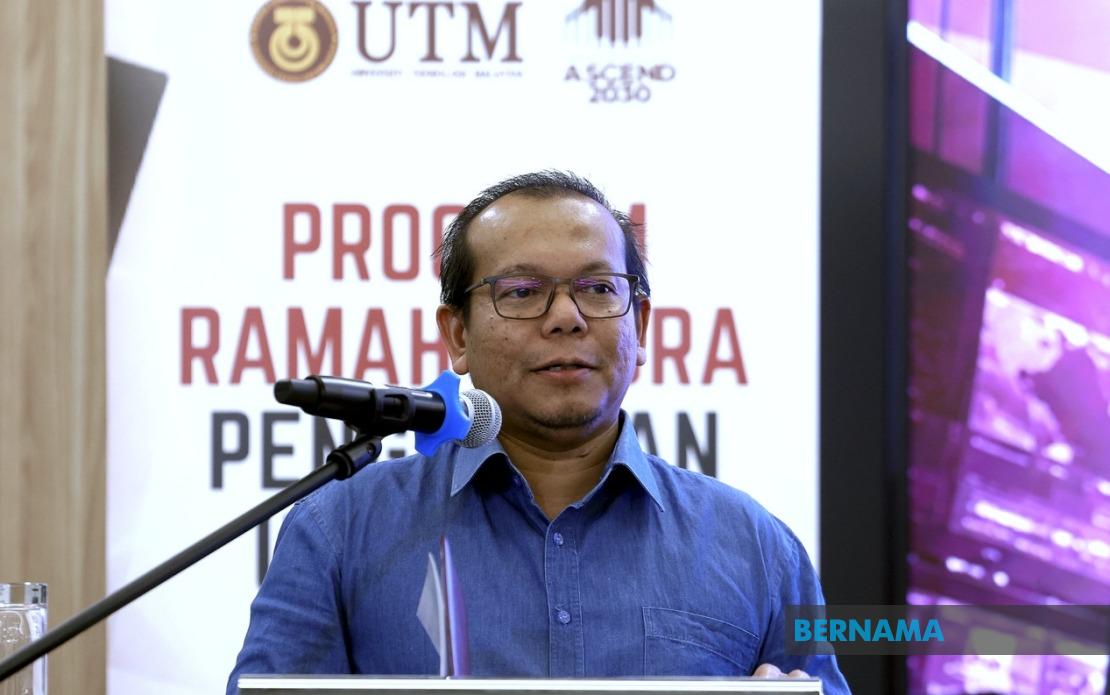
Universiti Teknologi Malaysia is taking decisive steps to shield itself from the reputational risks posed by inaccurate reporting, announcing an expanded partnership framework with media organisations designed to ensure rapid, fact-based communication with the public. At a University Management Media Networking Session, UTM vice-chancellor Prof Dr Mohd Shafry Mohd Rahim emphasised that higher education institutions must work closely with journalists to combat the proliferation of unverified allegations and distorted narratives that can rapidly erode public trust built across decades.
The initiative reflects a growing recognition within Malaysia's university sector that institutional reputation has become fragile in the age of information abundance. Mohd Shafry highlighted a fundamental paradox: while building a prestigious university requires generations of consistent effort, a single episode of negative coverage or viral misinformation can inflict lasting damage to an institution's standing and public credibility. This vulnerability has prompted UTM and other leading research universities to reconsider their communication strategies and forge closer working relationships with professional media outlets.
Central to UTM's renewed media strategy is the provision of direct access to university expertise and research findings. The institution plans to position its professors and subject-matter specialists as reliable reference sources for journalists working on education, technology, and policy-related stories. By doing so, UTM aims to ensure that media coverage of academic research reflects authentic findings rather than speculation or oversimplification, ultimately serving both the university's interests and the public's right to accurate information.
The partnership initiative also encompasses a training dimension that addresses a critical skill gap in modern journalism. UTM has committed to organising training programmes focused on artificial intelligence for media practitioners, recognising that journalists increasingly need technical literacy to report accurately on AI-related developments in universities, industry, and governance. This capacity-building effort extends beyond institutional self-interest, potentially improving the overall quality of technology reporting across Malaysia's media landscape.
Malaysian National News Agency (Bernama), represented at the session by Chief Executive Officer Datin Paduka Nur-ul Afida Kamaludin and Acting Deputy Editor-in-Chief (Economic News Service) Harlina Samson, signals the establishment media's receptiveness to deeper institutional partnerships. Bernama's participation underscores the national news agency's recognition that universities are significant generators of newsworthy research and innovation, and that systematic collaboration can enhance the agency's ability to cover the higher education sector comprehensively.
For Malaysian readers and the broader Southeast Asian context, UTM's initiative carries broader implications for how institutions manage their public image in an era of rapid information dissemination. Universities across the region increasingly compete not only for academic rankings but for public trust and policy influence. In this environment, proactive media engagement and transparent communication have become as strategically important as research output itself. UTM's move may well prompt other major Malaysian institutions to adopt similar collaborative frameworks.
The timing of this partnership development is significant given the challenging media environment facing higher education globally. Misinformation about universities—ranging from false accusations regarding research ethics to exaggerated claims about institutional failings—spreads rapidly on social media before institutions have opportunity to respond. By establishing formalised channels for rapid fact-checking and authoritative commentary, UTM seeks to address this timing disadvantage and ensure that verified information reaches journalists and the public expeditiously.
Moreover, UTM's emphasis on disseminating research findings through media channels speaks to the gap between academic discovery and public awareness. Significant research emerging from Malaysian universities often remains confined within academic circles, limiting its potential impact on policy and society. By working with journalists to translate complex research into accessible narratives, UTM can amplify the relevance and visibility of its innovations, whether in engineering, technology, sustainability, or other fields critical to Malaysia's development agenda.
The institutional investment in media collaboration also reflects confidence in professional journalism as a bulwark against misinformation. While social media has democratised information sharing, it has simultaneously created spaces where unverified claims circulate unchecked. By strengthening relationships with professional news organisations bound by editorial standards, UTM is essentially banking on the continued importance of credentialed journalism in shaping public perception and policy discourse, even as media consumption patterns evolve.
Looking forward, Mohd Shafry expressed optimism that sustained media collaboration would strengthen Malaysia's higher education ecosystem while elevating UTM's global standing. This framing positions the partnership not as a defensive mechanism but as a positive contribution to national competitiveness. As Southeast Asian universities increasingly compete for international students, research funding, and talent, the ability to communicate research excellence and institutional credentials effectively through credible media channels has become a competitive advantage.
The specific mechanisms UTM is developing for enhanced research dissemination remain under development, suggesting that this partnership framework will evolve considerably. Universities that lead in systematic, sophisticated engagement with media may well influence how their peers approach institutional communications, potentially reshaping the relationship between Malaysia's higher education sector and its news media over the coming years.

