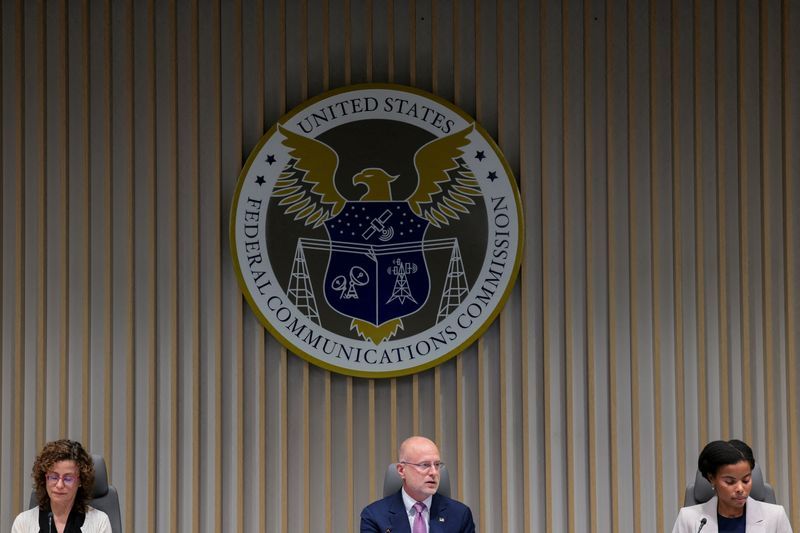
The Federal Communications Commission has taken decisive action to tighten restrictions on Chinese technology entering the United States, voting to prevent the sale of any devices containing essential hardware components manufactured by blacklisted Chinese firms. This regulatory move represents a substantial escalation in Washington's technology security posture, particularly targeting companies like Huawei and ZTE that have long faced suspicion over potential national security vulnerabilities in their equipment and components.
The FCC's decision addresses what regulators had identified as a significant gap in existing safeguards. Although complete devices manufactured by these blacklisted enterprises have been prohibited from gaining new market authorizations since 2022, the regulatory framework contained a critical weakness: manufacturers could still incorporate individual components produced by these same companies into devices that would then qualify for approval and market entry. FCC Chair Brendan Carr characterised the new directive as a comprehensive closure of this "component part loophole," underscoring the agency's determination to eliminate workarounds that could undermine national security objectives.
Under the revised regulations, devices may no longer contain any logic-bearing hardware components manufactured by firms designated as national security threats. Logic-bearing components represent the critical thinking elements of devices—essentially the processors and memory chips that enable core functionality. By extending the ban from finished products to their most vital internal elements, US regulators have removed a pathway through which compromised technology could theoretically infiltrate American networks and infrastructure. The move reflects growing concern among security analysts that individual component-level vulnerabilities could compromise entire systems downstream.
Chris McGuire, a former White House National Security Council official during the Biden administration, articulated the security rationale underlying such measures. Compromised components, particularly semiconductors or communications devices, possess the potential to corrupt entire systems, he explained to Reuters. This concern transcends theoretical risk; it reflects genuine apprehension about supply chain vulnerabilities and the possibility that hardware could harbour malicious functionality designed to intercept, manipulate, or disrupt communications and data flows. For telecommunications infrastructure especially, such vulnerabilities could have cascading consequences across vast networks.
The FCC's action forms part of a much broader technological containment strategy initiated under President Donald Trump's administration. The current political environment in Washington has produced an unusually unified stance on limiting Chinese technology penetration, driven by bipartisan concerns about espionage, intellectual property theft, and strategic vulnerability. This consensus has translated into a rapid succession of regulatory actions targeting various categories of Chinese technology products and services.
In recent months, the enforcement momentum has accelerated considerably. The FCC imposed import restrictions on additional equipment from Chinese manufacturers, effective from mid-July, joining earlier prohibitions on foreign drone models and internet routers. Beyond consumer-facing devices, the agency has also proposed restrictions on military-grade drone imports and has been actively considering measures that would prevent US telecommunications carriers from interconnecting with Chinese telecom firms identified as posing national security concerns. These measures represent an attempt to compartmentalise Chinese telecommunications infrastructure and prevent it from integrating with core American networks.
Among the most significant potential actions under consideration is a proposal that would effectively force Chinese telecommunications companies operating data centres and so-called Points of Presence within United States borders to cease such operations entirely. Points of Presence, situated at critical internet exchange points, represent strategic chokepoints within global communications infrastructure. By requiring Chinese firms to exit these positions, regulators aim to prevent potential access to sensitive routing information, traffic patterns, and network architecture that could provide intelligence advantages or operational vulnerabilities.
For Malaysia and Southeast Asia more broadly, these developments carry substantial implications. The region has historically served as a technology bridge between Chinese suppliers and global markets, with many companies incorporating Chinese components into devices destined for Western markets. The progressive tightening of American regulatory frameworks now forces regional manufacturers and electronics firms to reconsider their supply chains and component sourcing strategies. Companies operating across the US-China technology divide face increasingly difficult choices about whether to maintain Chinese suppliers or shift toward alternative sources.
The cumulative effect of these restrictions extends beyond American borders through market pressure and corporate compliance requirements. Many multinational technology companies voluntarily adopt the strictest standards applicable to any market they serve, meaning that US restrictions effectively influence global purchasing decisions. Southeast Asian contract manufacturers and technology assembly operations will likely experience pressure to eliminate Chinese components from products they export, potentially disrupting established supplier relationships and manufacturing processes that have taken years to optimise.
Huawei and ZTE, the most prominently named targets of these restrictions, have attempted to develop alternative supplier networks and domestic technologies to circumvent American sanctions. However, the component-level restrictions now implemented represent a more fundamental challenge to their business model than previous bans on finished products. The company did not provide immediate comment on the FCC's decision, though such comprehensive restrictions on component-level sales effectively foreclose numerous pathways for market participation.
The timing of these measures, occurring during a period of elevated US-China strategic competition, reflects broader shifts in how American policymakers approach technology governance. Rather than focusing solely on protecting sensitive American military and government systems, regulators now view technology supply chains themselves as national security infrastructure requiring careful management and control. This represents a conceptual expansion of security frameworks to encompass civilian technology markets and consumer-level devices.
Regional technology businesses, particularly those with substantial US market exposure, must now carefully audit their component sourcing and manufacturing relationships to ensure compliance with increasingly stringent American regulations. Companies that have integrated Chinese components into their products without close scrutiny of supplier origins now face potential market access complications. For the Malaysian technology sector specifically, which includes substantial electronics manufacturing and technology assembly operations, these regulatory shifts necessitate strategic recalibration of supply chains and sourcing strategies to maintain access to the lucrative American market.
The FCC's action signals that technology restrictions will likely intensify rather than moderate, establishing a new baseline for regulatory expectations. Companies operating in Southeast Asia should prepare for further restrictions and increased compliance requirements as American policymakers continue implementing their technology containment strategy.

