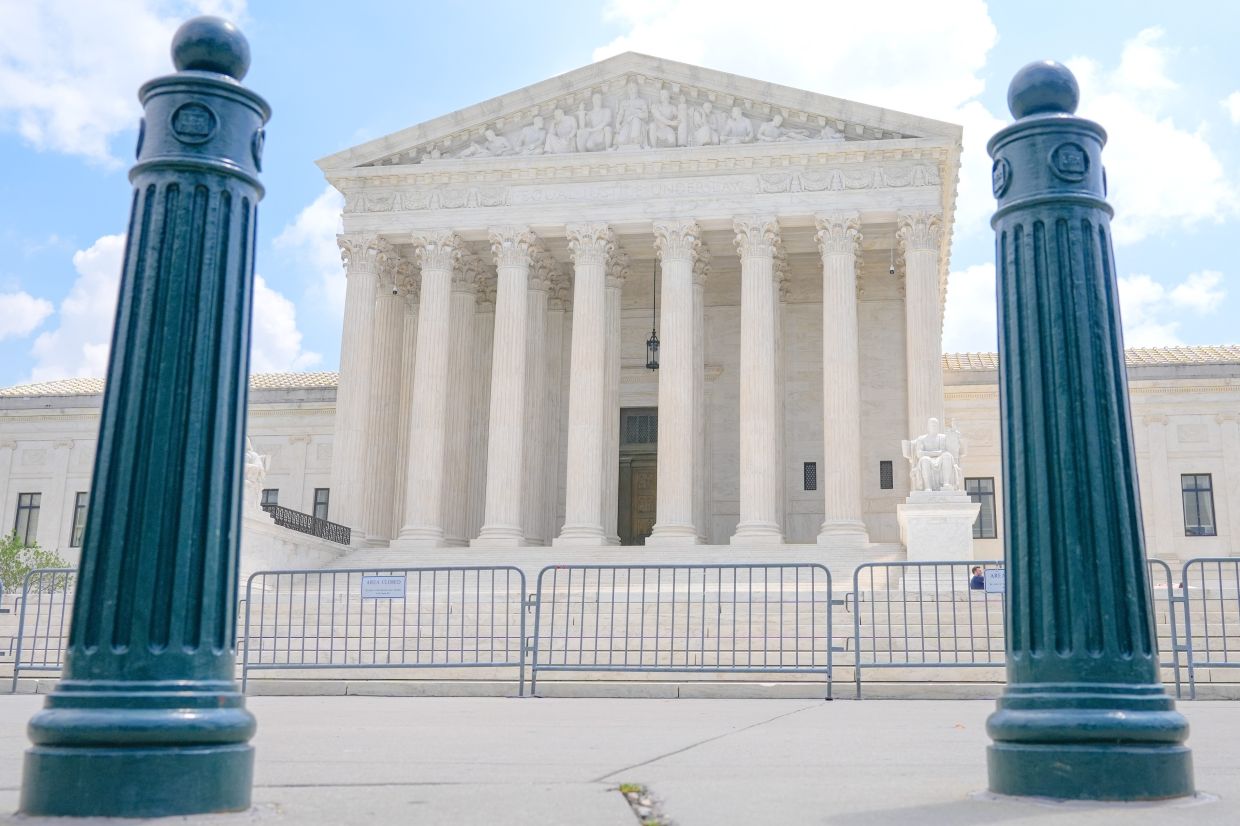
The United States Supreme Court has declined to intervene in a constitutional challenge to Texas's age verification law for app store downloads, allowing the legislation to proceed despite allegations that it violates fundamental freedoms of expression. Justice Samuel Alito issued terse orders rejecting emergency petitions filed by technology industry groups and digital rights advocates seeking to halt enforcement of the Texas App Store Accountability Act, effectively clearing the way for implementation of one of America's most stringent regulations governing access to digital content.
The Supreme Court's refusal to block the law represents a pivotal moment in the ongoing American debate over how to balance child safety in the digital realm against constitutional protections for free speech and parental autonomy. Rather than engaging substantively with the constitutional questions raised, the justices' one-sentence rulings suggest a reluctance to second-guess lower court decisions at this stage of litigation, a procedural choice that carries significant implications for how digital commerce will operate in one of the nation's largest states.
The legal battle began in earnest when a federal district court issued an injunction last December, determining that the Texas statute likely violated the First Amendment by impermissibly restricting access to lawful content including news articles, educational materials, and other protected speech. That protective order came in response to emergency requests from civil liberties organisations and industry groups concerned about the law's scope and implementation challenges. However, in June, a three-judge panel from the conservative-leaning 5th US Circuit Court of Appeals effectively overturned that district court decision by suspending the injunction and allowing the law to take effect while litigation continues.
The Computer & Communications Industry Association and Students Engaged in Advancing Texas have emerged as the principal challengers to the statute, contending that the age verification requirement functions as an unconstitutional content filter that restricts users' access to lawful materials regardless of whether such content is genuinely harmful to minors. Legal representatives for the plaintiffs argued that the law's broad mandate extends far beyond protecting children from genuinely dangerous material and instead empowers the state to dictate parental authority and supervising decisions that should remain within family purview. Their filings emphasised that constitutional protections for free speech exist to prevent precisely this type of government interference in the flow of information to adults and the parent-child relationship.
Texas Attorney General Ken Paxton, whose office has vigorously defended the statute in both cases, framed the dispute in markedly different terms. His lawyers characterised the law as a reasonable protective measure addressing genuine vulnerabilities in contemporary mobile technology. According to their arguments presented to the courts, children with unrestricted access to app stores on smartphones and tablets face substantial risks of downloading applications that collect personal data, facilitate privacy invasions, and expose young users to harmful content—all without parental knowledge or consent. This framing positions the law as a commonsense safeguard rather than censorship, emphasising the practical harms that unvetted app access can produce.
The statute's approach requires app stores operating in Texas to implement age verification systems before allowing consumers to download applications. The implementation of such requirements raises significant practical questions about how tech companies will verify age reliably without creating burdensome friction that discourages legitimate adult users. The verification mechanisms themselves potentially raise privacy concerns, as they require collection and retention of personal identification information to establish age—potentially exchanging one privacy risk for another, though proponents argue parental oversight justifies this trade-off.
For Malaysia and the broader Southeast Asian region, this American legal development carries implications worth monitoring closely. Several countries in the region have similarly grappled with questions about regulating digital content access for minors while respecting constitutional or statutory protections for free expression. The Texas precedent, should it withstand further legal challenge, could influence policymakers considering comparable legislation. Malaysia's own regulatory frameworks, including existing content classification systems and emerging digital governance structures, may face pressure to adopt stricter age verification mechanisms modelled on the American approach, particularly as concerns about data harvesting by technology companies and inappropriate content exposure intensify.
The constitutional tension at the heart of this dispute reflects a broader global challenge: how democratic societies can protect vulnerable populations from digital harms without ceding excessive power to government agencies over information access. The Supreme Court's decision to refrain from immediately halting the Texas law suggests that American jurisprudence on this question remains unsettled, with courts evidently viewing age verification mandates as potentially permissible even where they create barriers to protected speech.
Future developments in this case will likely depend on whether lower courts ultimately uphold or strike down the statute following full merits review. The 5th Circuit's apparent receptivity to the state's arguments, combined with the Supreme Court's lack of intervention, suggests that some American courts currently view child safety concerns as sufficient justification for content access restrictions that might have faced stiffer constitutional resistance in previous decades. This evolving judicial posture toward digital regulation reflects changing perceptions about technology companies' role in society and government's legitimate interest in moderating their influence on young users, a philosophical shift that will probably influence policy discussions throughout the democratic world for years to come.

