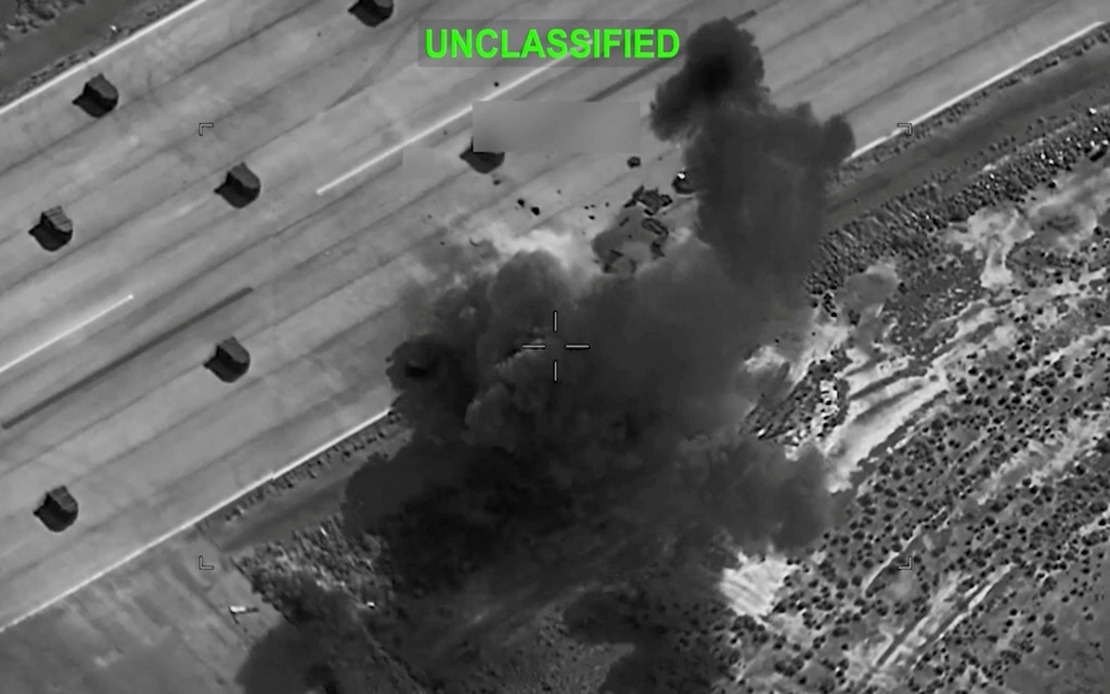
The Iranian Health Ministry confirmed on Thursday that recent US military operations targeting Iranian territory have resulted in significant casualties, with at least 14 people killed and 78 others sustaining injuries. The strikes, which took place on July 8 and 9, 2026, affected five separate provinces across the country, according to ministry spokesman Hossein Kermanpour, who disclosed the figures through social media.
The timing of these attacks carries particular significance given the stated ceasefire arrangement that was purportedly in effect at the moment of the strikes. Kermanpour's public statement underscores the contentious nature of the military escalation, characterising the casualties as occurring while diplomatic frameworks were meant to be preventing exactly such occurrences. This contradiction between diplomatic status and military action raises fundamental questions about the stability of any agreed arrangements and the commitment of all parties involved.
Among those injured in the strikes, 47 individuals remain hospitalised as of Thursday's report, receiving ongoing medical treatment for their wounds. The remaining 31 injured have already been discharged following initial medical care, suggesting a range of injury severities across the affected populations. The continued hospitalisation of nearly 60 percent of the wounded indicates that many victims sustained moderate to serious injuries requiring extended clinical observation and intervention.
The geographic scope of the operations—spanning five provinces—demonstrates the widespread nature of the military campaign rather than targeted strikes against specific military installations. This breadth of territorial impact carries implications for civilian populations across multiple regions of Iran, and raises questions about the civilian cost of the conflict among regional observers and international bodies concerned with humanitarian outcomes.
For Malaysian readers and the broader Southeast Asian context, such escalations in Middle Eastern military tensions carry several implications. The region remains a crucial shipping lane for global commerce, and geopolitical instability there can affect energy prices, supply chains, and regional security dynamics that eventually ripple across to Asia. Malaysia, as a significant trading nation with interests throughout the Middle East, maintains diplomatic relationships with both sides of any regional conflict and has consistently advocated for de-escalation and peaceful resolution of international disputes.
The conflict's continuation despite ceasefire arrangements also reflects broader patterns of mistrust and competing strategic objectives that characterise the current geopolitical environment. When formal agreements fail to prevent military action, it undermines confidence in diplomatic mechanisms more broadly and makes future negotiations more difficult to initiate and sustain. This dynamic affects not only the parties directly involved but also third-party states attempting to mediate or maintain neutral positions.
The release of casualty figures through official government channels represents an important but limited window into the actual impact of military operations. Official tallies often reflect only confirmed cases and may not capture the full scope of indirect casualties, trauma-related injuries, or long-term health impacts from conflict exposure. The death toll of 14 and injury count of 78 therefore represents a confirmed baseline rather than necessarily the complete human cost of the operations.
Regional stability in the Middle East has profound consequences for global energy markets, given the concentration of petroleum reserves in the area. Any sustained military escalation threatens to disrupt energy supplies that Asian economies, including Malaysia's trading partners, depend upon for manufacturing, power generation, and transportation. Elevated energy prices resulting from geopolitical tension ultimately affect inflation and economic growth across the region.
The ceasefire violation, if confirmed, suggests that diplomatic channels may have broken down or that one party views the military advantage gained through continued strikes as outweighing the diplomatic costs of breaching agreed arrangements. Understanding the motivations and strategic calculations of all parties becomes crucial for assessing the likelihood of further escalation or the possibility of restoring meaningful negotiations. Without clarity on these factors, predicting the trajectory of the conflict remains inherently uncertain.
For Southeast Asian nations maintaining balanced relationships across multiple geopolitical spheres, the ongoing instability presents a challenge to both commercial interests and diplomatic objectives. Malaysia and its regional partners have consistently advocated for restraint and adherence to international law, seeking to preserve space for dialogue even as military operations continue. The pressure on neutral states to remain engaged while avoiding entanglement in escalating conflicts represents an ongoing diplomatic balancing act.

